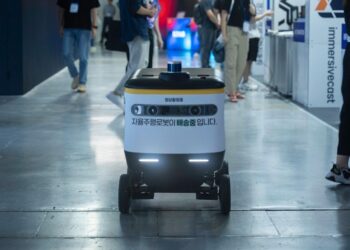
AI is not just a buzzword; it is a transformative force reshaping blue-collar jobs. As automation technologies advance, many traditional roles are evolving. Workers in manufacturing, construction, and trades face both challenges and opportunities. Understanding this shift is crucial for adapting to the new job landscape.
Recent insights reveal that AI tools are automating routine tasks while augmenting human capabilities. For instance, tasks like data entry and basic diagnostics are increasingly handled by machines. This shift allows workers to focus on more complex responsibilities that require human judgment and problem-solving skills.
The implications of these changes are profound. Workers must adapt to new technologies and develop skills that complement AI. The transition from manual execution to roles that emphasize critical thinking and adaptability is essential. This evolution is not merely a trend; it represents a fundamental change in the nature of blue-collar work.
Skills for the Future: Embracing Technology
The skill set required for blue-collar jobs is rapidly changing. Workers who once relied on physical labor must now embrace technology. The demand for technical skills is rising, and those who can harness AI and automation will thrive.
There is a growing emphasis on training programs designed to equip workers with necessary tech skills. Educational institutions and employers are collaborating to create adaptive training programs. These initiatives aim to prepare workers for the jobs of the future, ensuring they can compete in a tech-driven economy.
Skills for the Future: Embracing Technology The skill set required for blue-collar jobs is rapidly changing.
Moreover, this shift is not limited to technical skills. Soft skills, such as communication and teamwork, are becoming increasingly valuable. As AI takes over routine tasks, the human ability to collaborate and innovate will set workers apart. Employers are looking for individuals who can navigate both technology and interpersonal dynamics effectively.
Data Insights: The Changing Workforce
Analyzing data from various sources provides a clearer picture of how AI is reshaping the workforce. For instance, a report highlights the increasing integration of AI in skilled trades. This integration enhances job satisfaction by allowing workers to engage in more meaningful tasks.
College students are increasingly influencing the A.I. investment landscape, with initiatives like Dorm Room Fund raising substantial capital. This shift highlights the growing importance of…
Furthermore, the use of AI tools can lead to increased productivity. Companies that adopt AI technologies often see significant improvements in operational efficiency. Workers can leverage AI for real-time decision support, enhancing their ability to perform complex tasks effectively.
However, this data also reveals a concerning trend: job displacement. As AI takes over certain functions, some workers may find themselves without roles. This highlights the importance of retraining and upskilling initiatives. Workers who are proactive in enhancing their skill sets will be better positioned to navigate these changes.
Workers who are proactive in enhancing their skill sets will be better positioned to navigate these changes.
Debates Surrounding AI Integration
The integration of AI in blue-collar work is not without controversy. While many experts advocate for the benefits of AI, there are valid concerns about job displacement. Some argue that the rapid pace of automation could outstrip the ability of workers to adapt. This has led to debates about the role of government and industry in supporting displaced workers.
Some stakeholders argue for stronger safety nets and retraining programs, believing that without adequate support, many workers will struggle to transition to new roles. Others contend that the market will naturally adjust, creating new jobs that we cannot yet envision.
This debate is critical as it shapes policy decisions. Balancing the benefits of AI with the need to protect workers is a complex challenge. Policymakers must consider the long-term implications of automation on the workforce and implement strategies that promote equitable growth.
Preparing for an AI-Driven Future
For young professionals and students entering the workforce, understanding these trends is crucial. The landscape of blue-collar work is evolving, and those who are proactive in developing relevant skills will have a competitive edge. Embracing technology and seeking out training opportunities will be key strategies for success.
Preparing for an AI-Driven Future
For young professionals and students entering the workforce, understanding these trends is crucial.
Tiffany McGhee emphasizes the need for companies to demonstrate the effectiveness of their AI investments in earnings reports, as global AI spending is projected to…
Additionally, networking and building connections within industries can provide valuable insights into emerging trends. Engaging with mentors and industry leaders can help navigate the complexities of a changing job market.
Ultimately, the future of work in blue-collar sectors will be shaped by those who are willing to adapt and grow alongside technological advancements. By focusing on both technical and soft skills, workers can position themselves for success in an AI-driven world.




 Entrepreneurship & Business

Entrepreneurship & Business