No products in the cart.

AI’s Supply Chain Problem: Infrastructure Under Pressure
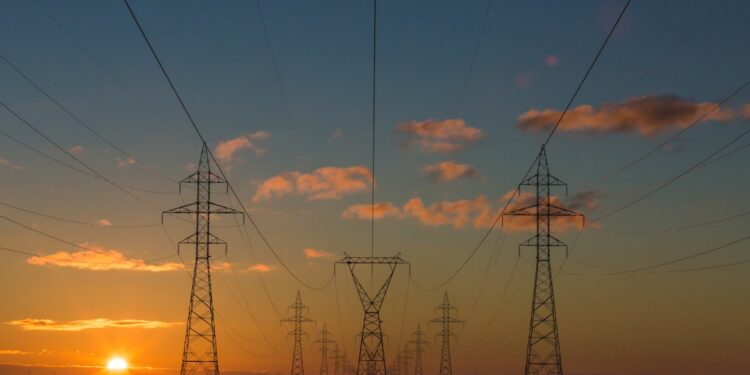
AI's rapid growth is hitting a wall due to energy supply constraints. This article delves into the supply chain challenges and infrastructure demands of the AI industry.

AI’s Rapid Growth and Energy Demands
Artificial intelligence is revolutionizing industries, but it faces a critical challenge: energy supply. As AI technology evolves, the demand for data centers has surged. The infrastructure required to support this growth is struggling to keep pace, leading to significant strain on the energy grid. This highlights a supply chain issue that could hinder future advancements.
The demand for electricity is projected to rise sharply, with data centers consuming vast amounts of power. In fact, 94% of the projected load growth in the energy grid is attributed to AI-driven data centers. This alarming statistic underscores the urgent need for improved energy infrastructure to support the burgeoning AI sector.
As companies race to develop AI technologies, they often overlook the essential infrastructure required to sustain this growth. While AI can be developed rapidly, the energy systems that support it operate at a much slower pace. This mismatch creates a bottleneck that could stifle innovation in the AI space.
Energy Infrastructure: A Bottleneck for AI
The current energy infrastructure is not equipped to handle the explosive demand generated by AI. The energy supply chain is facing unprecedented challenges, with long lead times for critical components such as transformers and gas turbines. These components are essential for expanding the energy grid to meet growing demands.
Energy infrastructure projects require years of planning, permitting, and construction. For instance, large power transformers can take over two years to procure, while new gas turbines are booked well into the late 2020s. This slow pace of infrastructure development stands in stark contrast to the rapid advancements in AI technology, creating a significant gap that could hinder future growth.
This slow pace of infrastructure development stands in stark contrast to the rapid advancements in AI technology, creating a significant gap that could hinder future growth.
The implications of this bottleneck are profound. Companies that do not secure their energy supply in advance risk falling behind their competitors. Those who acted early to lock in power purchase agreements are now positioned to thrive, while latecomers face steep challenges in securing the energy resources necessary for their AI ambitions.
You may also like
 Entrepreneurship & Business
Marico Boosts Plix Stake to 84.09%; Q2 Revenue Surge Ahead
Marico has increased its stake in Satiya Nutraceuticals to 84.09%, a strategic move expected to enhance revenue growth amid rising consumer demand for health-focused products.…
Read More →Regulatory Responses to Energy Allocation
The energy crisis tied to AI’s growth has sparked a political response. Policymakers are beginning to recognize the need for reform in energy allocation. Regulators are now prioritizing essential services over data centers during energy shortages. This shift in policy reflects the growing awareness of the societal implications of energy allocation.
As electricity becomes a limited resource, the decisions made by regulators will shape the future of both AI development and energy infrastructure. The challenge lies in balancing the needs of AI companies with the essential services that rely on a stable energy supply, such as hospitals and water treatment facilities.
These regulatory challenges necessitate a reevaluation of how energy resources are distributed. Companies must engage with policymakers to ensure that their energy needs are met without compromising essential services. This dialogue between industry and government will be crucial in navigating the complexities of the evolving energy landscape.
Global Dependencies in AI Supply Chains
The AI supply chain is not just about energy; it also encompasses a complex web of dependencies on global suppliers. The semiconductor supply chain, for instance, is heavily reliant on a few specialized manufacturers located primarily in South Korea and Germany. This concentration of production raises concerns about vulnerability to disruptions.
By building a more resilient supply chain, companies can better withstand disruptions and ensure a steady flow of critical components needed for AI development.
The COVID-19 pandemic highlighted the fragility of global supply chains, particularly in the semiconductor industry. As demand for AI technologies surged, the existing supply chains struggled to keep up, leading to significant delays and increased costs. This situation serves as a cautionary tale for the AI sector, which must consider the implications of relying on a limited number of suppliers.
You may also like
 Entrepreneurship & Business
College Students Shape the Future of A.I. Investment
College students are increasingly influencing the A.I. investment landscape, with initiatives like Dorm Room Fund raising substantial capital. This shift highlights the growing importance of…
Read More →To mitigate these risks, AI companies should diversify their supply chains and invest in domestic manufacturing capabilities. By building a more resilient supply chain, companies can better withstand disruptions and ensure a steady flow of critical components needed for AI development.
Navigating Contradictions in Energy and AI Development
While the demand for AI is undeniable, there are differing opinions on how to address the challenges facing the industry. Some experts argue that investments in renewable energy sources can alleviate the strain on traditional energy grids. Others contend that the current infrastructure is too outdated to support the rapid growth of AI.
This debate highlights the tension between immediate needs and long-term solutions. On one hand, there is a pressing need to expand energy capacity to meet current demands. On the other hand, investing in new technologies and renewable resources may take time to yield results.

These contradictions create a complex landscape for policymakers and business leaders alike. Navigating these challenges requires a nuanced understanding of both the technological advancements in AI and the limitations of existing energy infrastructure.
Careers in energy management, policy analysis, and AI development will be crucial in shaping the future of these industries.
Opportunities for Professionals in AI and Energy
For young professionals entering the workforce, the intersection of AI and energy presents unique opportunities. As companies seek to navigate the complexities of energy infrastructure, there will be a growing demand for talent that understands both fields. Careers in energy management, policy analysis, and AI development will be crucial in shaping the future of these industries.
You may also like
 Entrepreneurship & Business
Earnings Must Validate AI Investments
Tiffany McGhee emphasizes the need for companies to demonstrate the effectiveness of their AI investments in earnings reports, as global AI spending is projected to…
Read More →Moreover, as the need for sustainable energy solutions becomes more pressing, professionals with expertise in renewable energy technologies will be in high demand. This convergence of skills will enable the next generation of workers to play a pivotal role in addressing the challenges posed by the AI supply chain.