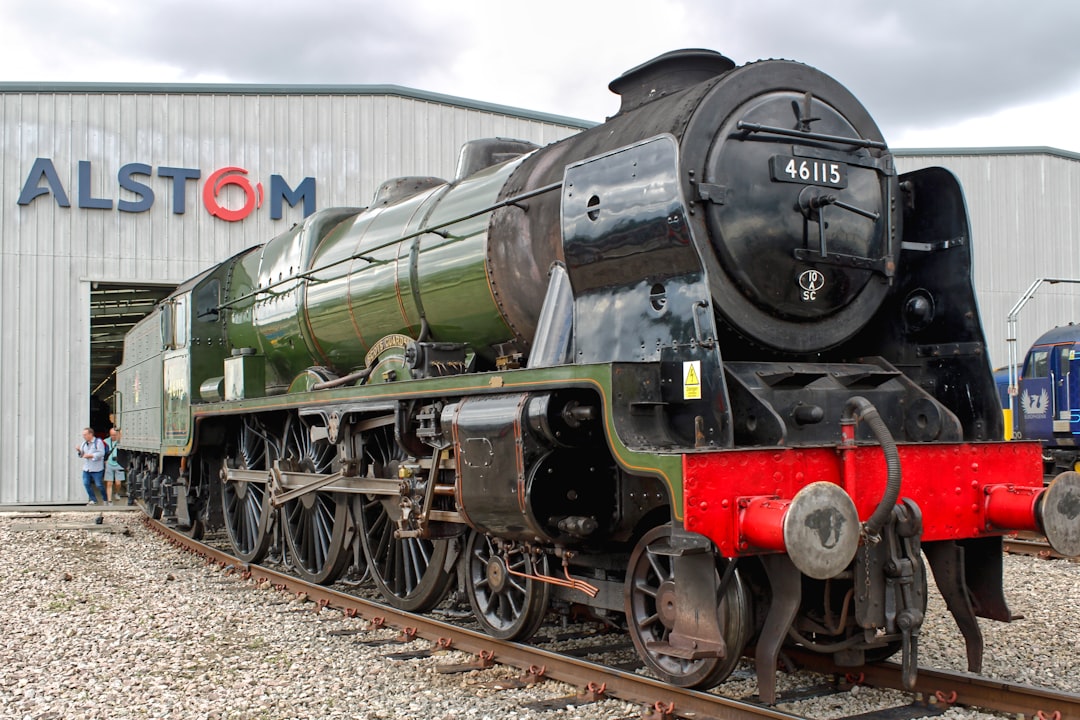
The UK government is investing nearly £1 billion in Alstom's new battery-electric train fleet, creating approximately 350 jobs and supporting a sustainable future for rail transport.
UK — Alstom has announced plans to build a new fleet of battery-electric trains called the Adessia Stream. These trains aim to change rail transport in the country. The UK government supports this initiative, which will begin producing 29 new trains in 2028. They are expected to enter service by 2034. This project is part of a larger effort to improve the sustainability and efficiency of the UK’s rail network.
The Department for Transport (DfT) revealed that nearly £1 billion will be invested in this project. This funding will help develop the trains and create about 350 jobs at Alstom’s Litchurch Lane factory in Derby. An additional 6,000 jobs will be created across the UK supply chain. This investment shows a strong commitment to sustainable transportation and positions the UK as a leader in battery-electric train technology.
Transforming Rail Engineering Careers
The introduction of battery-electric trains will greatly impact rail engineering careers. Career Ahead’s analysis shows that the demand for engineers skilled in battery technology and sustainable design will rise sharply. As Alstom starts this ambitious project, rail professionals must adapt to new technologies that focus on environmental sustainability.
Rail engineers will be at the forefront of this change. They will need technical skills and a solid understanding of battery systems and electric propulsion. The shift to battery-electric trains requires a workforce familiar with the latest battery technology advancements, including energy management systems and regenerative braking techniques. According to a report by The Manufacturer, the new Adessia Stream trains will use advanced battery technology to improve operational efficiency, which is vital for engineers working on these projects.
Additionally, project managers in transportation will need to handle the complexities of integrating these new trains into existing rail systems. The DfT aims to boost capacity by 30% on the TransPennine Route. This goal requires careful planning and execution, making project management skills essential for timely and efficient deployment. The partnership between Alstom and the UK government highlights the importance of public-private collaborations in advancing transportation technology, a trend expected to grow as the industry shifts towards sustainable solutions.
The implications of this hiring slowdown are profound. With fewer positions available, job seekers face increased competition for roles, while HR managers must rethink their…
This goal requires careful planning and execution, making project management skills essential for timely and efficient deployment.
As these changes happen, rail industry professionals should prepare for a landscape that values innovation and sustainability. The focus on battery-electric trains marks a shift in priorities, where environmental concerns will be central to project planning and execution. This shift enhances the appeal of rail transport and aligns with the UK’s climate goals. Prime Minister Andy Burnham emphasized the need for faster and more reliable journeys across northern England.
Wider Industry Implications
The impact of Alstom’s battery-electric train initiative goes beyond individual careers. It influences the broader rail industry and economy. The commitment to sustainable transportation aligns with global trends toward decarbonization and reducing fossil fuel reliance. As countries aim to meet climate targets, adopting electric trains is a crucial step in modernizing rail networks. This initiative is expected to stimulate economic growth in the UK, creating thousands of jobs at Alstom and within the supply chain, positively impacting local economies. This investment is especially significant in regions like Derby, known for its rail manufacturing and engineering history.
Career Ahead research suggests that the success of this initiative could inspire similar projects worldwide. Other countries may be encouraged to invest in battery-electric technologies. As the UK leads in this area, it may set a standard for sustainable rail solutions that can be replicated elsewhere. Moreover, the focus on battery-electric trains may drive further innovations in rail technology, such as better battery efficiency and charging infrastructure. The ongoing evolution of these technologies will require continuous learning and adaptation from professionals in the field, highlighting the need for ongoing education and training.
The anticipated benefits of these new trains include quieter operations, reduced emissions, and improved reliability. As rail transport becomes more attractive to passengers, it could lead to increased ridership. This rise in ridership would further justify investments in infrastructure and technology. The DfT’s commitment to enhancing the rail network through initiatives like the TransPennine Route Upgrade shows the importance of modernizing transport systems to meet future demands.
As the UK prepares for the introduction of these battery-electric trains, rail professionals should stay informed about technology and policy developments. With the first trains expected to enter service in 2034, the timeline for this transformation is significant. Stakeholders in the rail sector must remain proactive in adapting to these changes, ensuring they are ready for a more sustainable future.
Triyoga, once a favorite among celebrities and fitness enthusiasts, faced significant financial challenges leading to its downfall. Instructors reported that they had not received their…
The ongoing evolution of these technologies will require continuous learning and adaptation from professionals in the field, highlighting the need for ongoing education and training.
Frequently Asked Questions
What skills are needed for rail engineers working on battery-electric trains?
Rail engineers will need expertise in battery technology, electric propulsion systems, and energy management. Understanding sustainable design principles will also be crucial as the industry shifts towards greener solutions.
How will this new train fleet affect project timelines for transportation managers?
Transportation managers will need to adjust project timelines to integrate new battery-electric trains into existing systems. This may involve extensive planning and coordination to ensure successful deployment by the expected launch date.
What should battery technology specialists know about the new Adessia Stream trains?
Battery technology specialists should focus on advancements in energy storage and management systems for the Adessia Stream trains. Understanding the specifications and performance metrics of these new systems will be essential for their successful implementation.



Industry & Global Trends
 Industry & Global Trends