
India — Amazon has expanded its ultra-fast delivery service, Amazon Now, to more than 120 cities across the country. This expansion, which doubled its footprint in just two weeks, comes as the e-commerce giant aims to enhance its delivery network ahead of the festive season. Amazon Now offers a wide array of products, including groceries, personal care items, and home goods, fulfilling orders through nearly 800 micro-fulfillment and urban fulfillment centers. The service is designed to cater to the increasing consumer demand for rapid delivery, particularly in urban areas where time-sensitive purchases are becoming the norm.
The recent growth in Amazon’s delivery capabilities is significant. The company reported that Amazon Now crossed $1 billion in annualized gross sales in India, based on the previous three-month period. It plans to further extend its service to over 300 cities, establishing what it describes as India’s largest “delivery-in-minutes” network. This ambitious expansion is not only a testament to Amazon’s commitment to the Indian market but also reflects the growing trend of instant gratification among consumers who expect their online purchases to arrive almost immediately.
Impact on Logistics Management Skills Globally
Amazon’s rapid expansion of its ultra-fast delivery service is reshaping the logistics landscape not only in India but globally. As the demand for quick delivery increases, logistics managers worldwide must adapt to new operational challenges. The need for advanced logistics management skills is more critical than ever. For instance, in the United States, companies like Walmart and Target are also investing heavily in their delivery networks, reflecting a global trend towards faster service. Career Ahead’s analysis finds that logistics professionals will need to focus on technology integration, data analysis, and efficient supply chain management to meet the demands of this evolving market.
With Amazon Now’s launch, logistics managers must be adept in managing urban fulfillment centers and optimizing delivery routes. This requires a strong understanding of logistics technology and data-driven decision-making. Managers who can leverage analytics to improve efficiency will be in high demand as the competition intensifies. The integration of artificial intelligence and machine learning into logistics processes will also play a crucial role in predicting demand and managing inventory effectively, thereby reducing operational costs. For example, companies like Alibaba in China are utilizing AI to enhance their logistics operations.
As Amazon’s delivery network expands, the ability to adapt to new technologies and processes will be essential for success in this changing landscape.
Furthermore, the expansion may prompt a shift in hiring practices within the logistics sector globally. Companies may prioritize candidates with experience in e-commerce logistics and supply chain technology. This shift indicates a growing trend where traditional logistics roles evolve to include more tech-savvy positions, reflecting the increasing reliance on automation and digital tools. As noted by industry experts, the ability to adapt to new technologies will be essential for logistics professionals looking to thrive in this rapidly changing environment.
Career Ahead research identifies that logistics managers who invest in upskilling will have better job security and opportunities for advancement. As Amazon’s delivery network expands, the ability to adapt to new technologies and processes will be essential for success in this changing landscape. The competitive nature of the logistics industry means that professionals must continuously seek new knowledge and skills to remain relevant.
Job Opportunities for Delivery Drivers Globally
The expansion of Amazon Now is poised to create numerous job opportunities for delivery drivers across India and potentially influence similar trends globally. As the service expands to more cities, the demand for delivery personnel will rise significantly. This is particularly relevant for urban areas where quick delivery services are becoming the norm. The Hindu reports that Amazon’s commitment to doubling its delivery network suggests that thousands of new delivery driver positions may become available. With this growth, individuals seeking employment in the gig economy will find more opportunities, particularly in metropolitan regions where demand for fast deliveries is highest.
Moreover, the nature of delivery jobs is changing. Drivers will need to be equipped with skills that go beyond basic delivery tasks. Familiarity with navigation technologies, customer service skills, and the ability to operate delivery apps efficiently will be essential. As the industry evolves, so too will the expectations placed on delivery drivers, making training and skill development crucial. The demand for drivers who can provide exceptional customer service and handle technology adeptly is on the rise, as companies strive to enhance the consumer experience. This trend is evident in markets like Europe, where companies are also focusing on improving driver training programs.
As the industry evolves, so too will the expectations placed on delivery drivers, making training and skill development crucial.
Career Ahead analysis reveals that drivers who enhance their skills through training programs will be more competitive in the job market. The expansion of Amazon Now not only signals growth for the company but also indicates a shift in the types of skills that will be valued in the delivery sector. As Amazon continues to innovate its delivery processes, drivers who can adapt to these changes will find themselves with greater job security and opportunities for advancement.
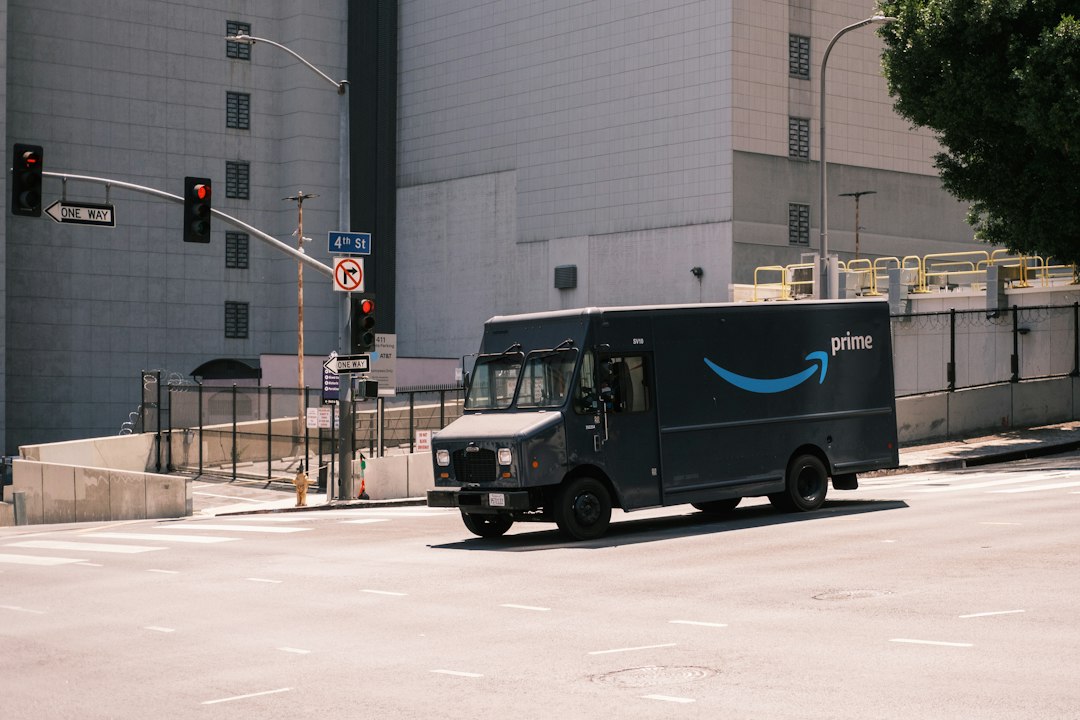
Additionally, the rise of the gig economy has transformed the landscape for delivery drivers worldwide. Many drivers are now considered independent contractors, which allows for flexible working hours but also presents challenges such as lack of benefits and job security. As Amazon expands its delivery network, it may also need to address these concerns to attract and retain a skilled workforce. This could lead to new policies and practices aimed at improving the working conditions for delivery drivers, ensuring they are supported in their roles.
Amazon’s expansion of its ultra-fast delivery service has significant implications for local supply chain efficiency in India and beyond. By establishing a network of urban fulfillment centers, Amazon is streamlining its operations and reducing delivery times. This efficiency is crucial as consumer expectations for faster service continue to rise. Local supply chains will benefit from Amazon’s investment in infrastructure and technology. The creation of micro-fulfillment centers allows for quicker processing and delivery of orders, which can enhance overall customer satisfaction. As Amazon sets new standards for delivery speed, competitors in the e-commerce space globally will likely need to adapt their logistics strategies to keep pace.
Additionally, the growth of Amazon Now may encourage local businesses worldwide to rethink their logistics operations. Smaller e-commerce players could be forced to innovate and find ways to improve their delivery systems to remain competitive. This could lead to a broader transformation in the logistics sector, where efficiency becomes a key differentiator. Career Ahead analysis suggests that as Amazon continues to expand its delivery network, the ripple effects on local supply chains will be profound. Businesses that proactively enhance their logistics capabilities will be better positioned to thrive in an increasingly competitive market.
The expansion of Amazon Now marks a pivotal moment for the logistics landscape in India and sets a precedent for global e-commerce logistics. As the company continues to grow its delivery network, the implications for logistics managers, delivery drivers, and local supply chains are significant. The demand for new skills and the creation of job opportunities will shape the future of the e-commerce sector worldwide.
The demand for new skills and the creation of job opportunities will shape the future of the e-commerce sector worldwide.
Frequently Asked Questions
What skills do logistics managers need to adapt to Amazon’s delivery changes?
Logistics managers must focus on technology integration, data analysis, and supply chain optimization. They should be familiar with logistics technologies and capable of leveraging analytics to improve operational efficiency.
How can delivery drivers benefit from Amazon’s expansion in India?
Amazon’s expansion will create numerous job opportunities for delivery drivers, particularly in urban areas. Drivers who enhance their skills in navigation and customer service will be more competitive in the job market.

What should logistics managers do to prepare for increased demand in e-commerce?
Logistics managers should invest in upskilling and focus on adopting new technologies to improve supply chain efficiency. They must adapt to the evolving landscape of e-commerce logistics to remain competitive.
Written by Career Ahead AI. AI can make mistakes, so verify key facts. Report errors to support@careeraheadonline.com.