

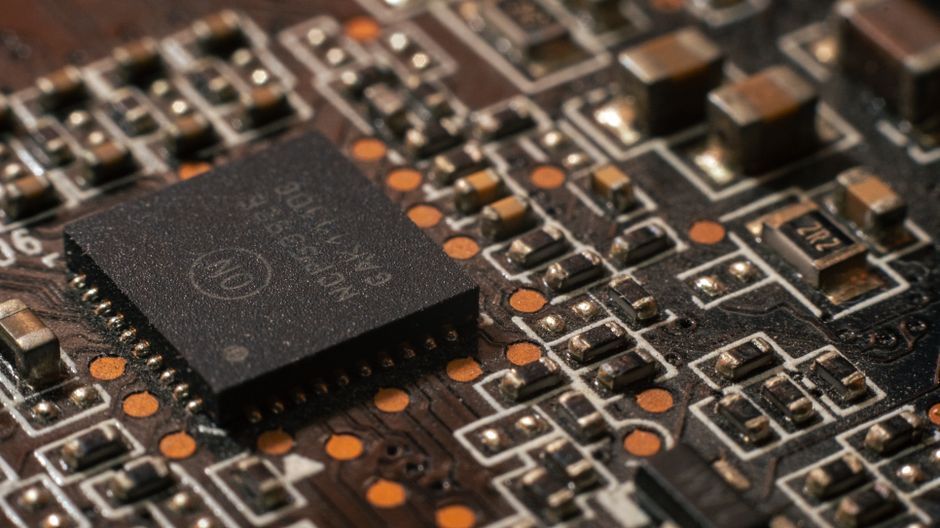
AMD’s CEO, Lisa Su, recently highlighted a significant increase in demand for chips used in artificial intelligence (AI) applications. Speaking at a conference on October 6, 2026, she urged AI companies to collaborate more closely with hardware manufacturers, emphasizing that such partnerships are crucial as AI and hardware become increasingly intertwined.
The demand for AI chips is not a fleeting trend; it is poised to reshape the tech landscape. Su pointed out that the rapid growth in AI applications, including machine learning and deep learning, necessitates a steady supply of specialized chips. Insights from Yahoo Finance suggest that this demand will outstrip supply for several years, underscoring the need for collaboration between AI developers and chip makers.
Drivers of AI Chip Demand
The surge in demand for AI chips is driven by the increasing adoption of AI technologies across various sectors, including healthcare and finance, where AI is enhancing efficiency and fostering innovation. The CEO of TSMC, the world’s largest semiconductor manufacturer, has indicated that AI chip demand is expected to exceed supply in the coming years, according to a report by Quartz.
This demand presents challenges for hardware engineers, who must adapt to new requirements focusing on speed, efficiency, and power consumption. As AI applications grow more complex, the chips that support them must also evolve. Engineers will need to develop specialized architectures capable of handling the intensive processing demands of AI workloads.
Collaboration between AI firms and hardware manufacturers is essential to address these challenges. By working together, they can create chips that not only meet current needs but also anticipate future demands, potentially leading to innovations that drive the next wave of AI advancements.
By working together, they can create chips that not only meet current needs but also anticipate future demands, potentially leading to innovations that drive the next wave of AI advancements.
Opportunities for Hardware Engineers
Research from Career Ahead indicates that hardware engineers who engage in these collaborations will gain a competitive advantage. By understanding both AI requirements and chip design, they can develop solutions that align with market demands. This synergy is likely to define the tech industry in the near future.
Moreover, as companies like AMD ramp up production to meet demand, they may need to rethink their sourcing strategies and partnerships, leading to a more integrated supply chain that prioritizes collaboration over competition.
 AI & Technology
Samsung Projects $80 Billion Profit Amid AI Chip Surge
Samsung Electronics has projected a record quarterly profit of $80 billion for Q3 2026, driven by soaring demand for AI chips and a global memory…
Read More →
Impact on AI Researchers
The implications of this collaboration extend beyond hardware engineers. AI researchers specializing in deep learning must also adapt their skills to align with advancements in chip technology. As AI systems increasingly rely on specialized hardware, researchers need to optimize their algorithms for the latest chip architectures.
Future Business Models in AI and Chip Manufacturing
For example, researchers may need to design models that effectively utilize the parallel processing capabilities of new chips, which could involve rethinking traditional methods of model training and optimization to ensure AI systems can fully leverage the hardware’s capabilities.
As AI firms and chip manufacturers collaborate, new opportunities for innovation in AI algorithms may emerge. By working closely with hardware engineers, AI researchers can gain insights into chip capabilities and limitations, enabling them to create more efficient and effective algorithms.

Future Business Models in AI and Chip Manufacturing
This evolving landscape is likely to create a demand for professionals who can bridge the gap between software and hardware. Engineers with expertise in both software development and hardware knowledge will be increasingly sought after, highlighting the importance of interdisciplinary skills in the tech industry.
As collaboration between AI firms and chip manufacturers intensifies, new business models may emerge, including joint ventures or partnerships focused on developing cutting-edge technologies, further driving innovation in AI.
Career Ahead’s analysis shows that hardware engineers must adapt their skills to design chips for AI applications, focusing on efficiency, power consumption, and specialized architectures.
 AI & Technology
ServiceNow’s AI Demand Soars, Insights
ServiceNow is witnessing a remarkable surge in demand for AI solutions, indicating a significant transformation in enterprise software. This trend reflects a broader movement among…
Read More →This shift towards collaboration marks a pivotal moment for the tech industry, as the lines between hardware and software continue to blur. As both sectors unite to address the growing demand for AI, the potential for groundbreaking advancements is substantial.
In summary, AMD’s CEO’s call for collaboration between AI firms and chip manufacturers underscores the urgent need for a unified approach to meet the rising demand for AI chips. As these sectors come together, they will enhance their capabilities and shape the future of technology.
Frequently Asked Questions
What does the surge in chip demand mean for hardware engineers?
Career Ahead’s analysis shows that hardware engineers must adapt their skills to design chips for AI applications, focusing on efficiency, power consumption, and specialized architectures.
How can AI researchers benefit from collaborating with chip manufacturers?
AI researchers can gain insights into new chip capabilities, allowing them to optimize their algorithms for better performance. This collaboration can lead to more efficient AI models that fully utilize the hardware.

What trends are shaping the future of AI chip production?
The trend of collaboration between AI firms and chip manufacturers is likely to reshape supply chain dynamics, leading to faster innovation and the development of specialized chips for evolving AI needs.
Written by Career Ahead AI. AI can make mistakes, so verify key facts. Report errors to support@careeraheadonline.com.





