No products in the cart.

Ammobia says it has reinvented a century-old technology
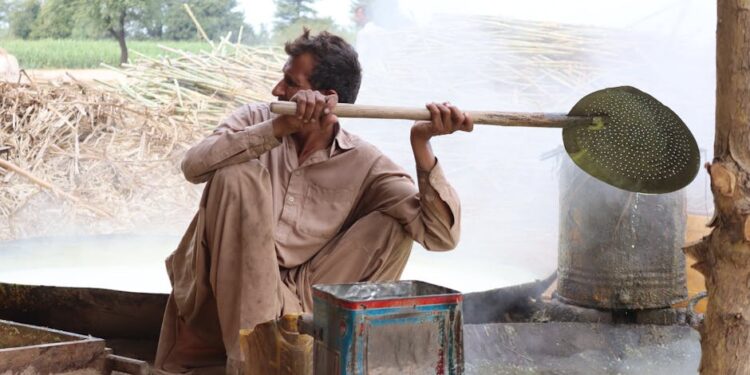
Brussels, Belgium — Ammobia, a startup focused on revolutionizing ammonia production, has announced significant advancements in a technology that has remained largely unchanged for over a century. The company claims to have reengineered the Haber-Bosch process, which is critical for producing ammonia, to lower production costs by up to 40%.…

Brussels, Belgium — Ammobia, a startup focused on revolutionizing ammonia production, has announced significant advancements in a technology that has remained largely unchanged for over a century. The company claims to have reengineered the Haber-Bosch process, which is critical for producing ammonia, to lower production costs by up to 40%. This development is not just a technical feat; it has profound implications for agriculture and energy sectors worldwide, particularly as the demand for sustainable practices grows.
The Haber-Bosch process has been the backbone of ammonia production since its inception, responsible for feeding billions of people through fertilizers. However, it is also one of the largest contributors to greenhouse gas emissions, accounting for nearly 2% of global emissions. Ammobia’s innovation could be a game-changer, allowing for cheaper and cleaner ammonia production, which could eventually lead to its use beyond traditional fertilizers.
The startup has successfully raised $7.5 million in seed funding to further develop its technology. Investors, including prominent names like Air Liquide’s venture arm ALIAD and Chevron Technology Ventures, see potential in Ammobia’s approach to make ammonia a viable alternative to hydrogen in various applications, including energy storage and transportation.
Ammobia’s Innovative Approach to Ammonia Production
Ammobia’s technology modifies the traditional Haber-Bosch process, which typically requires high temperatures (around 500°C) and high pressures (approximately 200 bar). By reducing the temperature requirement by 150°C and the pressure by a factor of ten, Ammobia can produce ammonia more efficiently and with less environmental impact. This lower-energy process allows for the use of less expensive equipment and pumps, potentially giving producers a competitive edge.
The startup has successfully raised $7.5 million in seed funding to further develop its technology.
According to Ammobia co-founder and CEO Karen Baert, this innovation opens up numerous opportunities for industries looking to decarbonize. “Our technology is very compatible with renewable energy, which leads to additional cost reductions because you don’t need to store hydrogen or electricity,” she stated. This compatibility could allow ammonia producers to utilize surplus renewable energy to create hydrogen, thus producing ammonia at a lower cost.
The startup’s modular approach also enables smaller production units, which can adapt to varying demand levels. While traditional ammonia plants produce between 1,000 and 3,000 tons per day, Ammobia’s units are designed to produce 250 tons per day. This flexibility could attract a diverse range of customers, from large agricultural firms to smaller operations looking for sustainable solutions.
As Ammobia gears up to build a pilot plant capable of producing 10 tons of ammonia per day, the implications of this technology extend beyond just cost savings. The potential for ammonia to serve as a clean energy carrier is gaining traction globally, with countries like Japan and South Korea investing in ammonia-based energy systems.
How Ammobia’s Technology Affects Your Career in Sustainability
For professionals in the sustainability sector, Ammobia’s advancements could signal a shift in career opportunities. As industries increasingly prioritize sustainable practices, skills related to green technologies will become more valuable. Here’s how you can prepare:
- Upskill in Renewable Energy: Consider courses or certifications in renewable energy technologies. Understanding how ammonia can integrate with renewable energy systems will be crucial.
- Stay Informed on Industry Trends: Follow developments in ammonia production and sustainable agriculture. Resources like industry reports and webinars can provide insights into emerging technologies.
- Network with Innovators: Attend conferences and events focused on sustainability and green technology. Networking with professionals in the field can open doors to new job opportunities.
However, some experts caution that while Ammobia’s technology is promising, it may not be a panacea for the ammonia industry. Critics argue that the reliance on fossil fuels for hydrogen production still poses significant environmental concerns. As noted by environmental analysts, a balanced approach that includes both innovative technologies and a commitment to reducing fossil fuel dependency is essential for true sustainability.
How Ammobia’s Technology Affects Your Career in Sustainability For professionals in the sustainability sector, Ammobia’s advancements could signal a shift in career opportunities.
The Future of Ammonia Production and Its Implications
The trajectory of ammonia production is set to evolve significantly with innovations like those from Ammobia. As the world grapples with climate change and seeks sustainable solutions, the demand for cleaner production methods will only grow. The shift towards ammonia as a clean energy carrier could redefine energy markets, especially in regions heavily reliant on fossil fuels.
As professionals, it’s vital to stay ahead of these changes. The landscape of job opportunities in sustainability is expanding as companies invest in greener technologies. For those willing to adapt and learn, the future looks promising. Will you be ready to seize the opportunities that come with this evolving industry?
Written by Career Ahead AI. AI can make mistakes, so verify key facts. Report errors to support@careeraheadonline.com.