

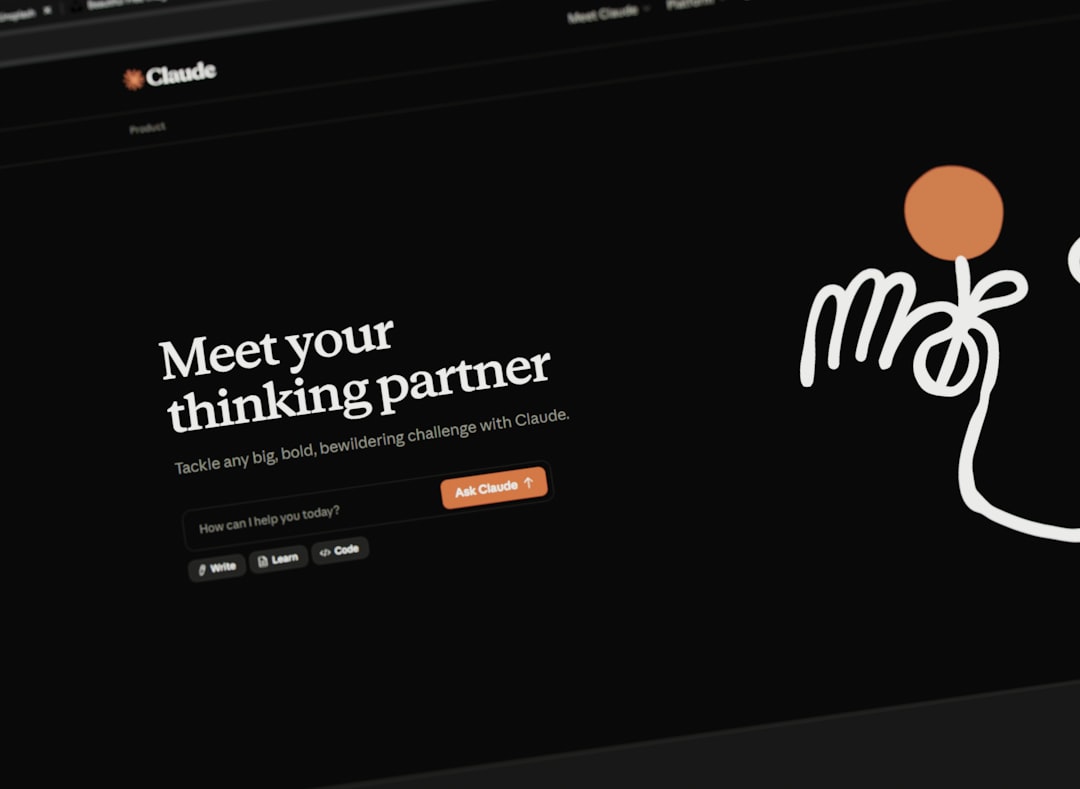
Anthropic has launched Claude AI for Microsoft Word, a beta feature that allows users to interact with documents dynamically. This integration is designed to enhance productivity for Team and Enterprise subscribers, streamlining tasks such as editing and legal reviews.
The introduction of Claude AI represents a significant advancement in how artificial intelligence can assist professionals. Users can now ask questions about their documents and receive immediate responses, which aims to enhance productivity and streamline document management. This tool enables users to draft, edit, and revise documents more efficiently, saving time and reducing errors.
Claude AI’s capabilities include semantic navigation and iterative editing. For example, users can request Claude to summarize complex sections or locate specific clauses quickly. This functionality is particularly beneficial for legal and financial professionals who often deal with lengthy and intricate documents.
Real-Time Interaction and Editing
With Claude AI, users can interact with their documents through a sidebar interface, allowing for real-time editing while maintaining the document’s original formatting. The AI can track changes, providing a seamless experience for users accustomed to traditional editing methods. This integration is designed to complement existing workflows, making it easier for teams to collaborate on documents.
Anthropic emphasizes that Claude AI reads and understands complex documents, enabling it to work through comment threads and make necessary edits. This feature is particularly useful for teams that rely on feedback and iterative revisions, enhancing communication and efficiency.
This feature could prove invaluable for professionals who need to compile information from multiple sources quickly.
Moreover, the AI tool supports cross-application functionality. For instance, it can pull data from Excel spreadsheets into Word documents, allowing users to create comprehensive reports without manual data entry. This feature could prove invaluable for professionals who need to compile information from multiple sources quickly.
Considerations for Use in Professional Settings
 Career Guidance
How to Switch Industries Mid-Career Without Starting Over
Bridge roles can reduce risk, while targeted skills and industry-specific applications help you make the case for a new field.
Read More →While the benefits of Claude AI are clear, Anthropic has issued warnings about its use. The tool is still in beta, and users are advised against utilizing it for final client deliverables or sensitive documents without proper human oversight. This caution underscores the importance of maintaining high standards in document integrity, especially in professional settings.
The launch of Claude AI in Microsoft Word could significantly impact various sectors, particularly those reliant on documentation. Legal firms, financial institutions, and corporate teams may find this tool especially beneficial as it reduces the time spent on editing and reviewing documents. According to a report from Mint, the integration of AI tools like Claude can lead to a more efficient workflow, allowing professionals to focus on strategic tasks rather than getting bogged down in minutiae.
Shifts in Workforce Skills and Data Security
As AI tools like Claude become more integrated into everyday tasks, the demand for tech-savvy professionals will likely increase. Workers may need to adapt to new technologies that enhance their workflows, making continuous learning essential. This shift could lead to a re-evaluation of skills required in many professions.
Furthermore, the integration of AI into document workflows may raise questions about data security and privacy. As organizations adopt these tools, they must consider the implications of using AI to manage sensitive information. This challenge will require careful policy development to ensure that AI tools are used responsibly and ethically. As highlighted by BBC, the potential for misuse of AI in handling sensitive data is a growing concern that organizations must address proactively.
Workers may need to adapt to new technologies that enhance their workflows, making continuous learning essential.

Implications for Future Work Dynamics
The introduction of Claude AI in Microsoft Word signifies a shift in how professionals can manage their documents. As AI tools become more integrated into everyday tasks, they may enhance productivity and change the skills required in the workforce. Understanding these developments is crucial for anyone looking to stay competitive in their field.
As organizations embrace AI technologies, the potential for increased collaboration and efficiency becomes apparent. The ability to interact with documents in real-time can transform workflows and improve outcomes, particularly for professionals in fast-paced environments who need to adapt quickly to new tools.
 AI & Technology
Microsoft Unveils AI-Optimized PCs with Nvidia Technology
Microsoft has unveiled new PCs powered by Nvidia's RTX Spark chip and an updated Windows 11, enhancing AI capabilities for developers and researchers. This shift…
Read More →Ultimately, the ongoing evolution of AI in workplace applications like Microsoft Word will shape the future of work. As these technologies become commonplace, professionals must remain adaptable and open to leveraging new tools to enhance their effectiveness.
Written by Career Ahead AI. AI can make mistakes, so verify key facts. Report errors to support@careeraheadonline.com.





