

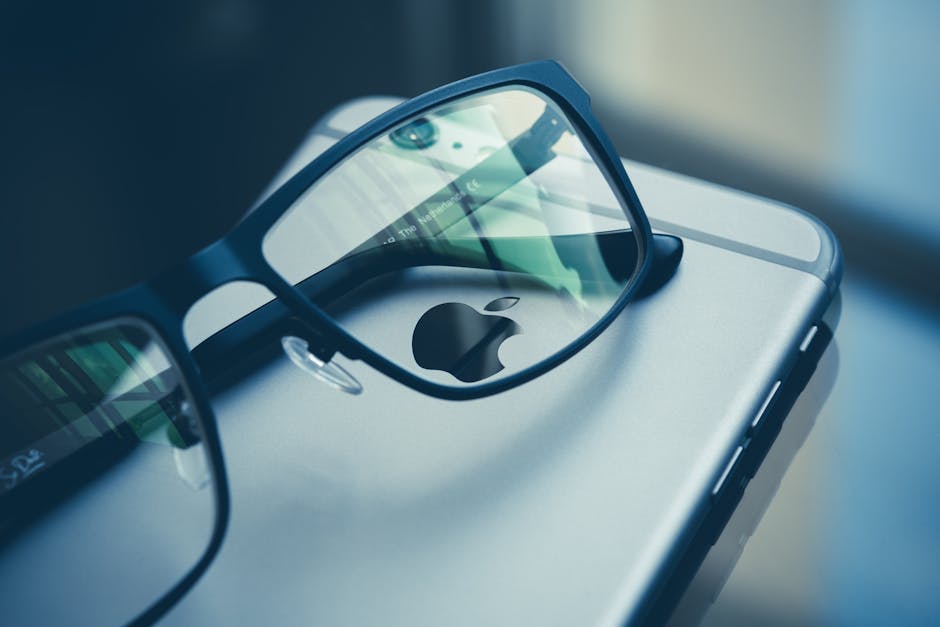
Cupertino, California — Apple is making headlines with its latest venture into wearable technology. The tech giant is reportedly testing four distinct designs for its upcoming Siri-powered smart glasses. This move positions Apple to compete directly with Meta’s Ray-Ban smart glasses, a product that has already made waves in the market. The anticipated release of these glasses could reshape how consumers interact with technology in their daily lives.
Innovative Features and Design Choices
According to recent reports, Apple’s smart glasses, codenamed “N50,” are set to feature several innovative capabilities. These include the ability to capture photos and videos, sync with iPhones for editing and sharing, and utilize a voice assistant for hands-free interaction. This aligns with Apple’s broader strategy to integrate AI into its product ecosystem, especially as it prepares for the launch of iOS 27 later this year.
Notably, Apple is focusing on premium materials for the frames, which are expected to be made from acetate, a durable and luxurious material, setting them apart from competitors that often use standard plastics. Additionally, Apple is exploring various finishes for its glasses, including colors like black, ocean blue, and light brown, appealing to a wide range of consumer tastes.
Apple’s approach to design is also noteworthy. Unlike Meta, which collaborates with EssilorLuxottica for its eyewear, Apple plans to handle the design and manufacturing of its smart glasses in-house. This decision aims to ensure a premium build quality that reflects Apple’s brand ethos. The four designs being tested range from large rectangular frames to smaller, more refined styles, catering to a variety of consumer preferences. This design strategy is crucial as Apple seeks to differentiate its product in a crowded market.
This design strategy is crucial as Apple seeks to differentiate its product in a crowded market.
Market Implications and Competitive Landscape
The introduction of Apple’s smart glasses comes at a time when the wearable technology market is rapidly evolving. According to industry analysts, the demand for smart glasses is expected to increase as consumers seek more integrated and functional devices. Apple’s entry into this market could significantly impact existing players, particularly Meta, which has established a foothold with its Ray-Ban smart glasses.
As reported by Bloomberg, Apple’s glasses will feature several styles and oval cameras, which may enhance their appeal to tech-savvy consumers looking for versatility and functionality. Meta’s glasses emphasize social interaction and content sharing, but Apple’s focus on everyday utility may attract a different segment of consumers. By offering features that enhance daily tasks, Apple could capture the interest of individuals who may not have considered smart glasses previously.
 Entrepreneurship & Business
Use a Business Loan to Fix Cash Flow: Five Decisions
Cash flow is the top challenge for half of small firms. Here is how to choose a loan that fits.
Read More →This shift could lead to a broader acceptance of wearable technology in everyday life. Furthermore, the competitive landscape is set to intensify as other tech giants, like Google and Samsung, also explore their own smart glasses. Apple’s commitment to in-house design and premium materials may give it an edge in delivering a high-quality product that resonates with consumers looking for both functionality and style.
Broader Strategy in Wearable Technology
As part of a larger strategy, Apple is also working on other AI-powered wearables, including new AirPods and a camera-equipped pendant. This three-pronged approach indicates Apple’s commitment to becoming a leader in the wearable tech space, leveraging computer vision to create a more integrated user experience. The development of Siri-powered smart glasses signifies a pivotal moment in the evolution of wearable technology.
As consumers increasingly seek devices that seamlessly integrate into their lives, Apple’s offering could set new standards for functionality and design. Moreover, the success of these glasses could influence how other tech companies approach their wearable strategies. If Apple successfully captures market share with its smart glasses, it may encourage a wave of innovation across the industry, pushing competitors to enhance their own offerings.
If Apple successfully captures market share with its smart glasses, it may encourage a wave of innovation across the industry, pushing competitors to enhance their own offerings.
Consumer Expectations and Future Considerations
As the launch date approaches, anticipation builds around how these glasses will perform in the market. Will they redefine consumer expectations for wearable technology? Only time will tell, but the implications of Apple’s entry into this space could be far-reaching, impacting not just the tech industry but also consumer behavior and lifestyle choices.
This development raises questions about the future of personal technology. With Apple poised to unveil its smart glasses, how will this shape the ongoing conversation about privacy, convenience, and the role of AI in our daily lives? The coming months will be critical in determining whether Apple can carve out a significant niche in the competitive landscape of wearable tech.
 Entrepreneurship & Business
How to Test a Business Idea Before Building It
On day two, show your offer to 10 or 20 potential customers and ask for a response.
Read More →Sources: Bloomberg, BBC, Mint.
Written by Career Ahead AI. AI can make mistakes, so verify key facts. Report errors to support@careeraheadonline.com.





