


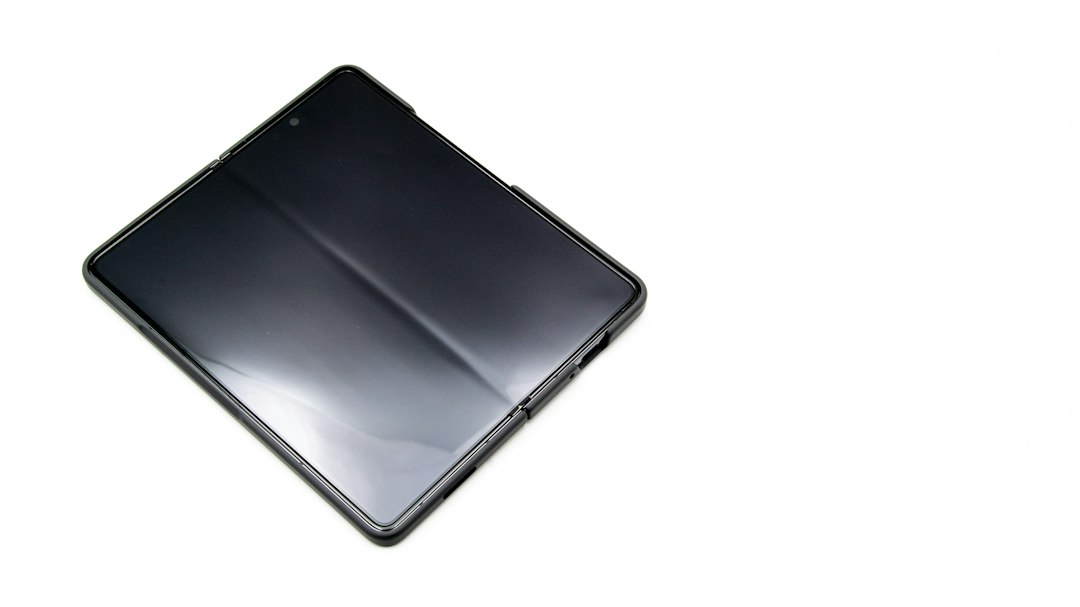
Apple’s iPhone Duo is facing major production challenges ahead of its launch on October 23, 2026. Reports show the yield rate for the device is just over 60%. This raises concerns about how many units will be available during the initial sales period. The issues come from complications in making critical components, especially foldable OLED panels and hinge mechanisms, which are key to the device’s design.
These production problems are due to several factors. Apple’s strict quality standards and the complexities of foldable technology are significant challenges. According to a report from livemint.com, Foxconn, Apple’s main assembly partner, is adjusting its production lines to address these issues. These adjustments aim to improve the yield rate but may take months to achieve the desired quality.
Impact of Yield Challenges on Hardware Design Iterations
The yield rate affects how hardware engineers approach design iterations. With the iPhone Duo’s yield at 60%, engineers have less time for testing and refining components. This situation forces teams to focus on critical design elements while possibly sidelining less important features that could enhance user experience.
Career Ahead’s analysis shows that as yield rates change, engineers may need to adopt a more agile design approach. This could involve rapid prototyping and iterative testing to ensure essential features meet Apple’s quality standards without delaying production further. Engineers may have to compromise on some design aspects to speed up production.
Additionally, the complexities of foldable technology create unique challenges. Engineers must balance the innovative design of the iPhone Duo with manufacturing practicalities. For example, the hinge mechanism’s design has gone through several revisions, which could cause further delays if the yield remains low. As reported by en.sedaily.com, the iterative process needed to finalize these components can significantly impact overall timelines.
As engineers work to resolve these yield issues, they must also think about how these challenges could affect future foldable devices.
As engineers work to resolve these yield issues, they must also think about how these challenges could affect future foldable devices. The lessons learned from the iPhone Duo’s production problems will likely shape the design and manufacturing processes for upcoming models in Apple’s lineup.
 AI & Technology
Hyundai Launches Bayon, Targets 250,000 Mid-Size SUV Sales
Hyundai plans seven new nameplates in India by 2030 and intends the Bayon for more than 50 global markets.
Read More →
Supply Chain Disruptions and Their Implications
The production delays of the iPhone Duo also impact supply chain managers in the tech industry. The reported yield issues are not just an Apple problem; they reflect a broader trend of supply chain disruptions affecting the entire sector. A report by gadgets360.com notes that the limited availability of key components is a critical concern for manufacturers.
Supply chain managers must navigate these disruptions by reassessing their sourcing strategies and inventory management. Apple plans to sell only 6 to 8 million units of the iPhone Duo initially, compared to the usual 20 to 30 million for similar models. Managers need to ensure their supply chains can adapt to changing demand. This may lead to increased competition for high-quality components among manufacturers.
Moreover, relying on specific suppliers, like Samsung Display for OLED panels, can create production bottlenecks. If these suppliers face their own challenges, it could further delay the iPhone Duo’s availability and affect the entire tech ecosystem. Supply chain managers must engage proactively with suppliers to reduce these risks and ensure a steady flow of components.
As the tech industry evolves, supply chain managers will need to adopt more resilient practices. This includes diversifying their supplier base and investing in technologies that improve visibility and responsiveness within the supply chain.
The evolving landscape of foldable technology presents both challenges and opportunities for professionals in these fields.
Overall, the iPhone Duo’s production challenges remind us of the interconnected nature of the tech industry. Delays in one product can ripple through the supply chain, affecting timelines and resource allocation across multiple sectors.
 AI & Technology
IIT Madras Launches UDYOG Biotech Finishing School
The training pathway includes online courses, laboratory training, pilot-scale exposure and opportunities for industry internships.
Read More →As the launch date approaches, hardware engineers and supply chain managers must stay alert and adaptable to navigate the uncertainties surrounding the iPhone Duo’s production. The evolving landscape of foldable technology presents both challenges and opportunities for professionals in these fields.
Looking Ahead: What’s Next for the iPhone Duo?
With the iPhone Duo’s launch date approaching, the tech community is watching closely. The current yield rate of 60% raises questions about whether Apple can meet initial demand and how this may affect its market position. As hardware engineers work to improve the yield, supply chain managers must ensure the necessary components are available in time for launch.
This situation highlights the ongoing evolution of foldable technology. As manufacturers refine their processes, lessons learned from the iPhone Duo will likely shape future designs and production strategies across the industry. Will Apple overcome these challenges and set a new standard for foldable devices? Only time will tell, but the stakes are high for both hardware engineers and supply chain managers.
The success or failure of the iPhone Duo may influence consumer perceptions and the future direction of foldable technology.
As the market for foldable devices grows, the implications of these production delays could resonate beyond Apple’s immediate challenges. The success or failure of the iPhone Duo may influence consumer perceptions and the future direction of foldable technology.
Frequently Asked Questions
What does the iPhone Duo production delay mean for hardware engineers?
The iPhone Duo’s production delay, with a yield rate at 60%, presents challenges for hardware engineers. They must adapt their approaches to ensure essential features meet quality standards while managing the complexities of foldable technology.
How can supply chain managers mitigate risks from Apple’s production issues?
Supply chain managers can mitigate risks by reassessing sourcing strategies and diversifying their supplier base. Proactively engaging with suppliers is crucial to ensure a steady flow of components and adapt to changing demand.
 AI & Technology
Universities Face Calls to Prepare Students for Creator-Economy Jobs
The creator economy spans entertainment, education, advertising, gaming, e-commerce, media and technology, with work built through collaboration.
Read More →
What are the expected timelines for foldable device launches in the tech industry?
Timelines for foldable device launches may vary. The iPhone Duo’s challenges highlight the need for manufacturers to remain adaptable. As Apple addresses these production issues, the outcomes will likely influence future launches across the industry.
Written by Career Ahead AI. AI can make mistakes, so verify key facts. Report errors to support@careeraheadonline.com.





