No products in the cart.

Apple’s Privacy Strategy Transforms Smart Glasses Market

Apple's upcoming smart glasses, set to launch by 2027, prioritize privacy features that could reshape the wearable tech landscape. This focus on user privacy is expected to influence design strategies and market dynamics across the industry.

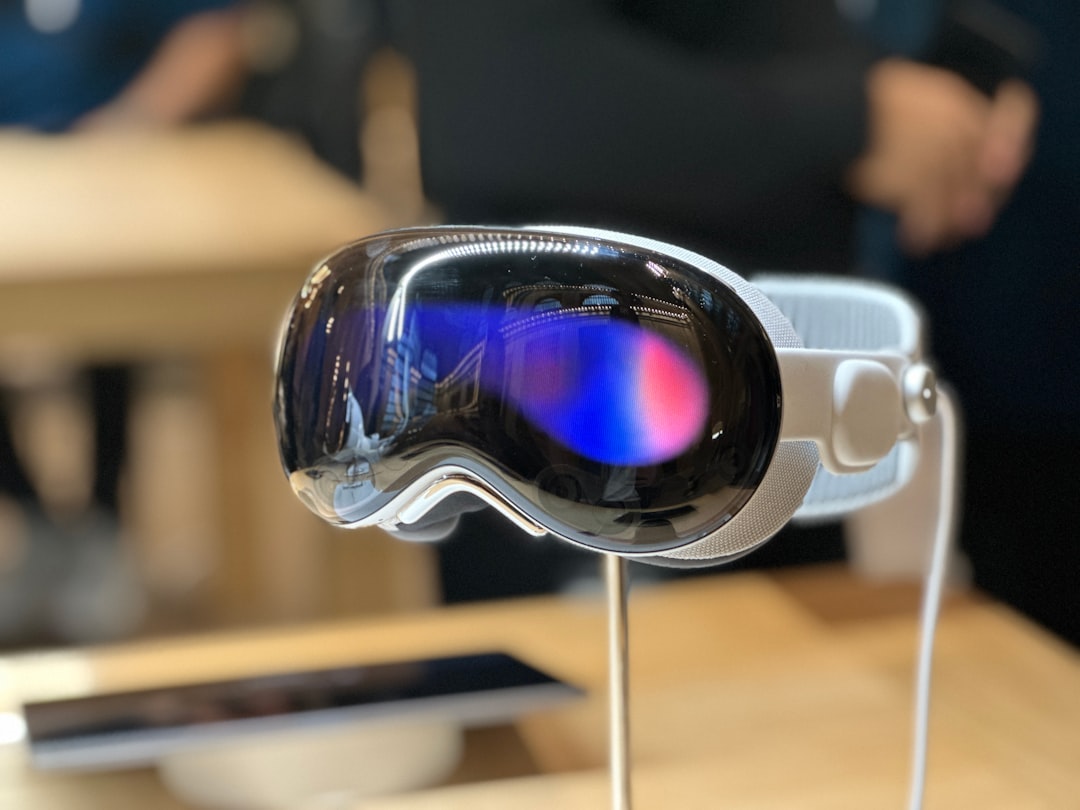
Apple will reveal its first smart glasses at WWDC in June 2027. These glasses will focus on privacy features that set them apart from competitors. This move responds to growing privacy concerns in wearable technology, especially with Meta’s smart glasses, which have faced backlash for their recording capabilities. By prioritizing privacy, Apple aims to lead in responsible tech design.
Apple’s privacy strategy avoids controversial features like facial recognition and continuous recording. These features have hurt the reputation of other smart devices. Instead, Apple plans to use on-device processing to keep user data secure and private. This approach aligns with Apple’s commitment to user privacy, as seen in their privacy policies and products.
Impact of Privacy Features on Wearable Technology Design
Apple’s focus on privacy in its smart glasses will likely influence wearable technology design. According to Career Ahead, prioritizing privacy can lead to innovative designs that enhance user experience while protecting personal information. For example, Apple might offer a version of its smart glasses without a camera or with limited features to maintain privacy.
This design philosophy may encourage other companies in the wearable tech market to rethink their strategies. As privacy becomes a key differentiator, brands may feel pressured to innovate in ways that protect user data. This could spark a new wave of wearable devices that balance privacy and functionality, changing how products are developed and marketed.
As consumers grow more aware of privacy issues, companies that ignore these concerns may fall behind. Apple’s focus on privacy in its smart glasses could set a new standard for other manufacturers. This shift may lead to a more privacy-conscious tech landscape overall.
With the rise of privacy-focused design, wearable technology designers must adapt their methods. They should integrate privacy considerations from the start of the design process. This ensures products are functional and respectful of user privacy. Designers may need new skills to understand data protection regulations and consumer expectations.
Designers may need new skills to understand data protection regulations and consumer expectations.
You may also like
 AI & Technology
Temple Evaluates Pilot Fitness for Air Force Use
Deepinder Goyal's Temple wearable aims to enhance pilot safety by monitoring brain blood flow in real-time, potentially transforming aviation health assessments.
Read More →As Apple leads the way in privacy, wearable technology designers must stay informed about these changes. By anticipating shifts in consumer preferences and regulations, they can create products that appeal to privacy-conscious users.
Regulatory Implications for Privacy in Smart Devices
Apple’s introduction of privacy-centric smart glasses will likely impact regulations in the wearable technology industry. Governments worldwide are scrutinizing data privacy practices, and Apple’s proactive approach could shape future regulations. As noted in Apple’s privacy policies on support.apple.com, the company has long supported strong data protection measures, which may inspire similar actions in other tech firms.
Regulatory bodies may use Apple’s practices as a benchmark for privacy standards in wearable technology. This could lead to stricter regulations requiring manufacturers to implement comprehensive privacy measures. For designers and privacy policy specialists, this evolving landscape will require a deep understanding of compliance and best practices.
As privacy regulations become more common, companies that prioritize compliance will likely gain a competitive edge. Brands that show commitment to user privacy may attract loyal customers, while those that neglect these concerns could lose market share. This trend highlights the need to align product development with regulatory expectations.
As privacy laws evolve, wearable technology designers must remain flexible and responsive. They should incorporate features that meet current regulations and anticipate future legal changes. This approach ensures their products are market-ready and compliant with emerging privacy standards.
They should incorporate features that meet current regulations and anticipate future legal changes.
Ultimately, the regulatory environment for privacy in smart devices will shape the future of wearable technology. Companies that embrace this challenge will be better positioned to succeed in a privacy-focused market.
As Apple’s smart glasses near their launch, the implications for market differentiation are becoming clearer. The focus on privacy will likely change how tech companies position their products. There will be a shift towards highlighting privacy features as a core selling point. This trend may create a more competitive landscape where brands must innovate to meet consumer demands for privacy and security.
You may also like
 AI & Technology
AI Interviewing Transforms Future Hiring Landscape
HackerRank's AI interviewer, Chakra, is transforming recruitment by streamlining the hiring process and emphasizing critical thinking and problem-solving skills in candidates.
Read More →Career Ahead’s analysis shows that as privacy becomes a key differentiator, companies may need to rethink their marketing strategies. This could involve showcasing privacy features in advertising and product descriptions, while emphasizing the ethical considerations behind their design choices.
In a market where consumers are increasingly aware of privacy issues, companies that ignore these concerns may struggle to attract and keep customers. Thus, Apple’s focus on privacy in its smart glasses could signal a broader shift in the tech industry. Privacy is becoming a fundamental aspect of product development and marketing.
Looking ahead, how will competitors respond to Apple’s privacy-first approach? The next few years may bring significant changes in the wearable tech market as companies adapt to new consumer expectations and regulatory environments.
They should work with product designers to ensure compliance and promote user-centric privacy practices.
Frequently Asked Questions
What privacy features should wearable technology designers consider?
Wearable technology designers should focus on features that protect user data, like on-device processing and limited data collection. Transparent data handling practices can also build user trust.
How can privacy policy specialists adapt to changes in tech products?
Privacy policy specialists should stay updated on emerging regulations and industry standards. They should work with product designers to ensure compliance and promote user-centric privacy practices.

What should wearable technology designers do about Apple’s new privacy standards?
Designers should study Apple’s privacy approach and consider integrating similar features into their products. Adapting to these standards can help meet consumer expectations and regulatory requirements.
You may also like
 AI & Technology
Higher education reallocates capital to digital platforms
The analysis that follows dissects the mechanisms, systemic implications, and stakeholder outcomes.
Read More →