No products in the cart.

Aramco CEO Warns of Long Oil Market Disruption as Profit Jumps

Saudi Aramco's CEO has issued a stark warning about potential long-term disruptions in the oil market due to geopolitical tensions, even as the company reports a significant profit increase driven by rising oil prices.

Strait of Hormuz: A Critical Passage
The Strait of Hormuz is a vital route for global oil shipments, with approximately 20% of the world’s oil flowing through this narrow waterway. Recently, the CEO of Saudi Aramco cautioned that escalating geopolitical tensions could lead to a prolonged disruption in oil markets. This warning coincides with Aramco’s announcement of a substantial profit increase, attributed to higher oil prices and the company’s ability to redirect exports through alternative pipelines.
According to finance.yahoo.com, Aramco’s profits surged due to rising global demand and strategic operational adjustments. However, the risk of conflict in the region poses a significant threat to these gains. Disruptions in the Strait of Hormuz could drastically affect supply chains, leading to increased prices and volatility in the oil market.
The ongoing tensions between Iran and Saudi Arabia further exacerbate fears of a potential closure of the Strait. The CEO’s comments underscore the fragility of the current situation, emphasizing that even a temporary blockage could have catastrophic consequences for global oil supply.
Profit Growth Amid Market Challenges
Saudi Aramco’s recent financial results reveal a profit increase of over 30% in the last quarter, driven by soaring oil prices. Analysts attribute this trend to both favorable market conditions and Aramco’s strategic maneuvers. As noted by reuters.com, this profit surge reflects the company’s resilience in adapting to a challenging environment.
Profit Growth Amid Market Challenges Saudi Aramco’s recent financial results reveal a profit increase of over 30% in the last quarter, driven by soaring oil prices.
Despite these gains, the CEO warned that the current market conditions are not sustainable in the long term. The reliance on high oil prices raises questions about the stability of future earnings. Investors may need to reassess their expectations regarding Aramco’s performance, especially with the looming potential for geopolitical disruptions.
Market Reactions to Geopolitical Tensions
You may also like
 Government & Policy
RBI Repo Rate Hike Raises Home Loan EMIs for Borrowers
The Reserve Bank of India has raised the repo rate by 25 basis points, marking its first increase in four years. This hike will lead…
Read More →The global oil market is responding to Aramco’s warnings with a mix of concern and speculation. Analysts predict that if the Strait of Hormuz were to close, oil prices could spike significantly, impacting economies worldwide. According to economictimes.indiatimes.com, losing access to this critical shipping route could result in a loss of over one billion barrels of oil, severely hampering recovery efforts in the oil sector.
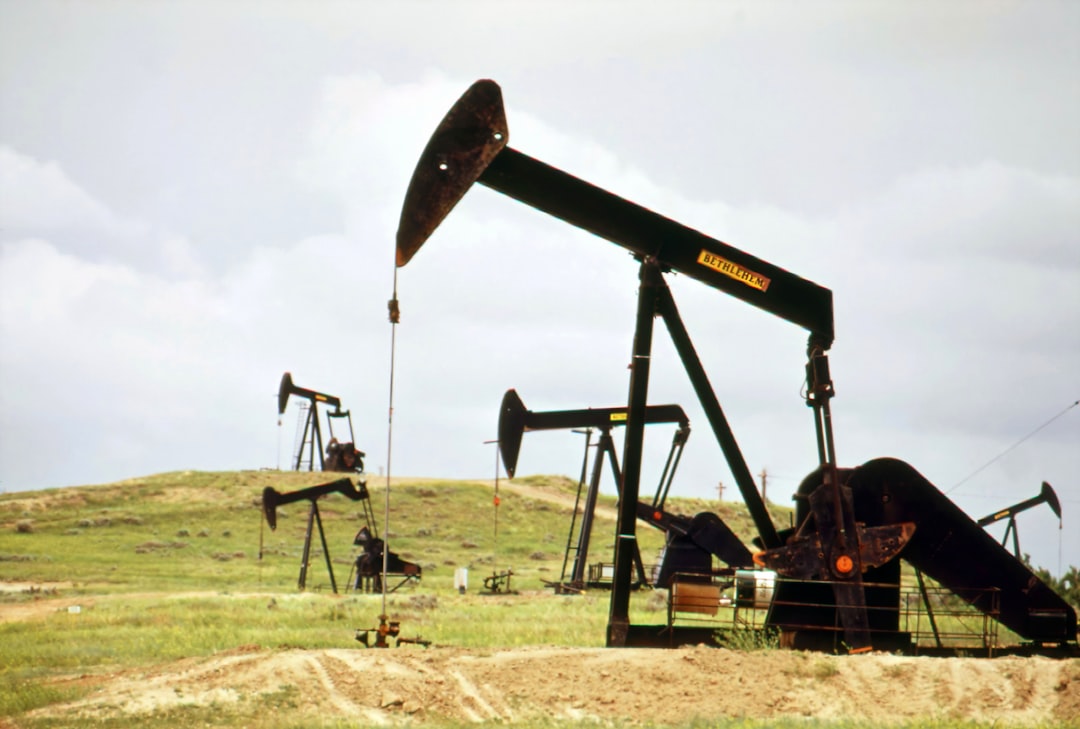
This scenario raises critical questions about energy security for many countries, particularly those heavily reliant on oil imports. Increased prices could lead to inflationary pressures, affecting consumer spending and overall economic growth. As nations grapple with these challenges, the need for diversified energy sources becomes increasingly apparent.
Energy Policy Implications
Aramco’s situation highlights the urgent need for robust energy policies that address both current market dynamics and future challenges. Governments worldwide must consider the implications of potential oil supply disruptions when formulating energy strategies. The current crisis underscores vulnerabilities in energy supply chains and the importance of strategic reserves.
In response to these challenges, policymakers may need to prioritize investments in alternative energy sources and infrastructure. As noted by theguardian.com, transitioning to renewable energy is not just a long-term goal but a necessity in light of geopolitical uncertainties. Countries that proactively invest in sustainable energy solutions may find themselves better positioned to weather future disruptions.
Energy Policy Implications Aramco’s situation highlights the urgent need for robust energy policies that address both current market dynamics and future challenges.

Consumer Impact and Future Considerations
The developments in the oil market directly impact fuel prices and, consequently, the cost of living. As global tensions rise, consumers may face higher prices at the pump, affecting their daily budgets. Understanding these dynamics is crucial for anyone navigating the current economic landscape.
As the situation in the Strait of Hormuz evolves, the oil market will likely remain volatile. Stakeholders must remain alert to these developments, as even minor shifts in the geopolitical landscape can have significant repercussions on global oil supply. The potential for a shift towards renewable energy sources may accelerate in response to these challenges, reshaping the energy market in the coming years.
You may also like
 Government & Policy
IRDAI Commission Cuts Impact Insurance Agents, Brokers
IRDAI's proposed commission cuts could reshape the insurance landscape, impacting earnings for agents and altering client acquisition strategies for brokers. Adaptability will be key in…
Read More →