No products in the cart.

Are Tokenized Funds Reshaping Mutual Funds and ETFs?
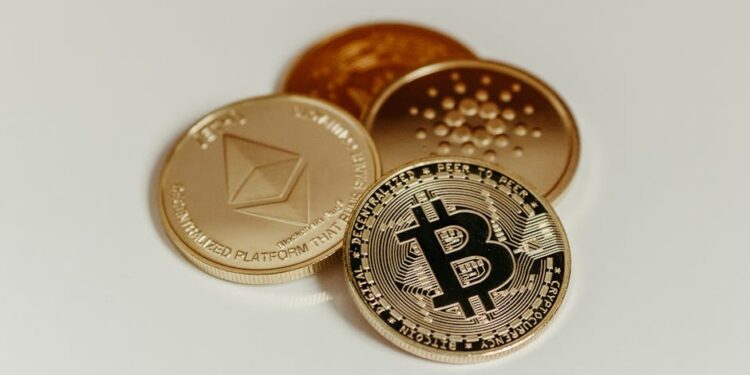
The rise of tokenized funds presents both challenges and opportunities for traditional mutual funds and ETFs. As investor preferences shift towards digital assets, investment managers and financial advisors must adapt their strategies to remain competitive in this evolving landscape.

Tokenized funds are gaining traction as a disruptive force in the investment landscape. These digital representations of traditional assets, such as mutual funds and ETFs, are built on blockchain technology. This innovation allows for increased transparency, liquidity, and efficiency in trading. As of June 2026, major financial institutions are actively exploring tokenized funds, raising questions about their potential impact on traditional investment vehicles.
In recent years, the financial sector has witnessed a surge in the adoption of tokenized assets. Notably, Franklin Templeton launched the first U.S.-registered fund on a blockchain in 2021, followed by BlackRock’s introduction of the BlackRock USD Institutional Digital Liquidity Fund (BUIDL) in 2024, which quickly amassed a market value exceeding $500 million. With such significant developments, it is essential to evaluate whether these tokenized funds pose a genuine threat to mutual funds and ETFs.
Defining Tokenized Funds and Their Benefits
Tokenized funds represent a novel approach to asset management by creating digital tokens that signify ownership of shares in traditional investment vehicles. Each token corresponds to a specific fraction of the underlying asset, allowing for fractional ownership and easier access for investors. According to Chainlink, this technology enhances transaction efficiency and transparency, providing real-time pricing and settlement capabilities that traditional mutual funds lack.
One of the key benefits of tokenized funds is their ability to offer 24/7 trading, unlike traditional mutual funds, which typically operate within limited hours and require T+2 or T+3 settlement periods. This increased accessibility can attract a broader range of investors, particularly those who prefer the flexibility of trading at any time. Furthermore, tokenized funds can integrate with on-chain money and digital finance, streamlining transactions and reducing operational costs.
Additionally, the transparency afforded by blockchain technology allows investors to verify ownership and transaction history easily. This feature addresses one of the major criticisms of traditional funds, which often operate with delayed pricing structures and opaque management fees. The immediate visibility into fund performance can enhance investor confidence and potentially lead to higher allocations to tokenized assets, as noted by a report from TD Securities.
Investment managers must stay informed about these regulatory developments to adapt their strategies accordingly.
Navigating Regulatory Challenges
The rise of tokenized funds brings forth significant regulatory considerations for investment managers and financial advisors. As these digital assets gain popularity, regulatory bodies are beginning to scrutinize their implications on market stability and investor protection. For instance, the SEC has been exploring how existing regulations apply to tokenized assets and whether new frameworks are necessary to address the unique challenges they present.
You may also like
 Industry & Global Trends
Cygni Energy, Indus Towers Unite for Telecom Energy Storage
Cygni Energy and Indus Towers have signed a Memorandum of Understanding to develop energy storage solutions for telecom infrastructure, marking a significant step towards sustainability…
Read More →Investment managers must stay informed about these regulatory developments to adapt their strategies accordingly. The complexity of tokenized funds may require a reevaluation of compliance protocols, as traditional regulatory frameworks may not adequately address the nuances of blockchain technology and smart contracts. According to ETF.com, the integration of tokenized funds into existing portfolios could necessitate a rethinking of risk management practices, as the volatility of digital assets may differ from that of traditional investments.
Moreover, financial advisors will need to educate their clients about the risks and rewards associated with tokenized funds. As investor preferences shift towards digital assets, advisors must be prepared to offer guidance on how these funds fit into broader investment strategies. This shift may also lead to an increased demand for specialized knowledge in blockchain technology and digital finance among advisors.
Changing Investor Sentiment
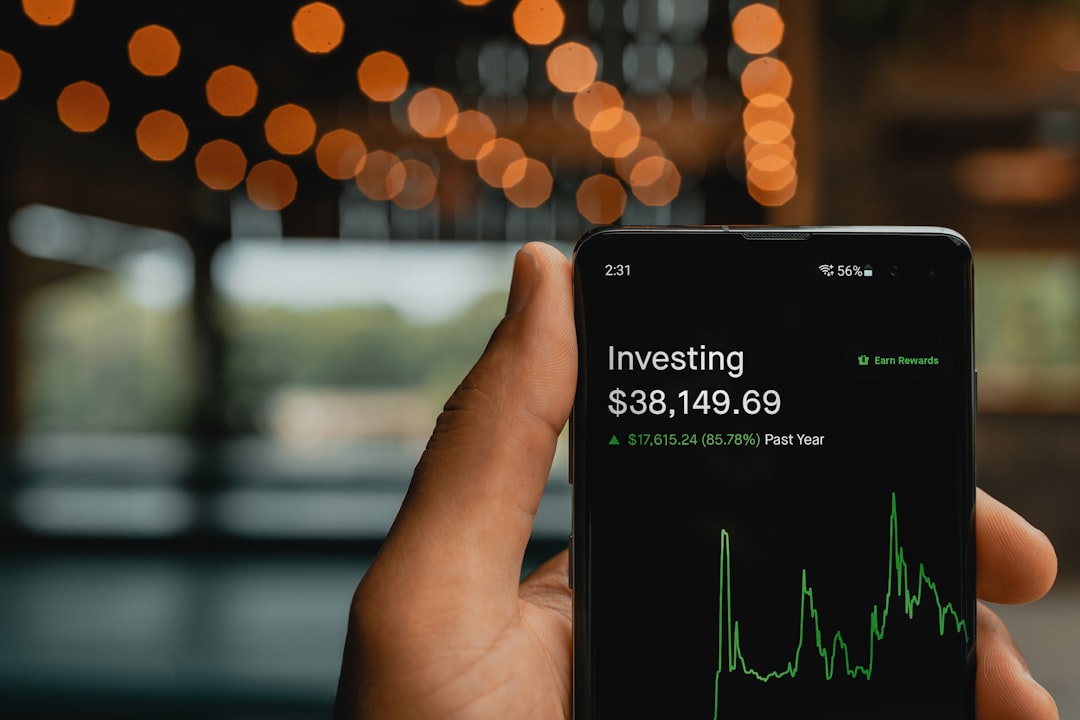
Investor sentiment is increasingly leaning towards tokenized assets, driven by a desire for greater liquidity, transparency, and control over investments. Career Ahead’s analysis of recent trends indicates that up to 9% of investors may allocate their entire portfolios to tokenized assets by 2027. This shift reflects a broader trend towards digitalization in finance, as younger investors are particularly drawn to the advantages offered by blockchain technology.
Moreover, the convenience of fractional ownership and 24/7 trading aligns with the preferences of a generation that values flexibility and accessibility. As traditional mutual funds and ETFs often involve minimum investment thresholds and limited trading hours, tokenized funds present a more appealing alternative for many investors. This evolution in investor behavior could force traditional investment vehicles to adapt or risk losing market share.
Additionally, tokenized funds may enhance diversification opportunities for investors. By enabling fractional ownership, these funds allow investors to diversify their portfolios more easily across various asset classes without requiring substantial capital. This democratization of investing could lead to a more inclusive financial landscape, where a broader range of individuals can participate in wealth-building opportunities.
As such, investment managers and financial advisors must address these concerns while highlighting the benefits of tokenized funds to encourage adoption.
Addressing Challenges in the Transition
You may also like
 Industry & Global Trends
BT Expands Reach with TalkTalk Acquisition
The acquisition is seen as a strategic necessity for BT, allowing it to consolidate its position in a market that has seen increasing pressure from…
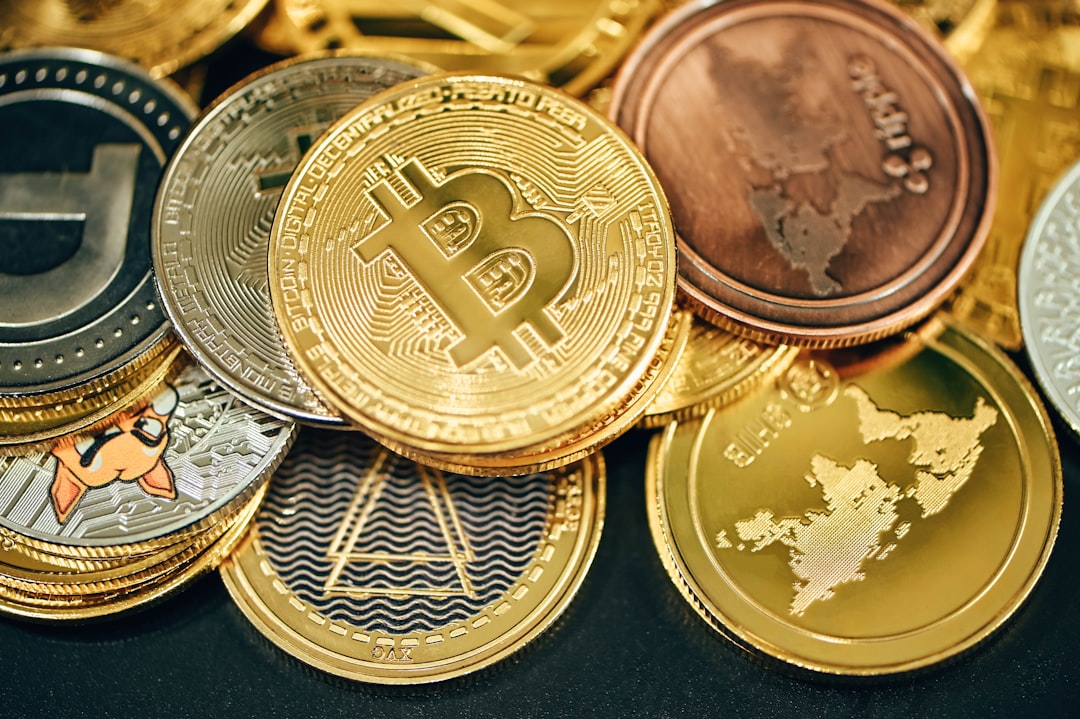
Read More →The transition to tokenized assets is not without challenges. Concerns regarding security, regulatory compliance, and the volatility of digital assets may deter some investors from fully embracing this new paradigm. As such, investment managers and financial advisors must address these concerns while highlighting the benefits of tokenized funds to encourage adoption.
As the landscape of asset management continues to evolve, the competition between tokenized funds and traditional mutual funds and ETFs will likely intensify. Investment managers who can effectively communicate the value proposition of tokenized funds while addressing investor concerns will be well-positioned to thrive in this changing environment.
The future of asset management is poised for transformation. As tokenized funds continue to gain traction, the question remains: will traditional mutual funds and ETFs adapt to retain their relevance, or will they be overshadowed by the rise of digital assets?
Frequently Asked Questions
What are tokenized funds and how do they compare to mutual funds?
Tokenized funds are digital representations of traditional investment vehicles, such as mutual funds and ETFs, created on a blockchain. Unlike mutual funds, which operate on a delayed pricing structure, tokenized funds offer real-time pricing and 24/7 trading capabilities.
Developing expertise in blockchain technology and digital finance will be crucial for advising clients effectively.
How should financial advisors adapt to the rise of tokenized funds?
Financial advisors need to stay informed about the regulatory landscape surrounding tokenized assets and educate their clients on the risks and benefits associated with these funds. Developing expertise in blockchain technology and digital finance will be crucial for advising clients effectively.
What strategies can investment managers implement to compete with tokenized funds?
You may also like
 Industry & Global Trends
Mergers Reshape Automation Careers at Schneider Electric
Schneider Electric's aggressive investments in automation are reshaping the industry landscape in Europe. This shift is set to create significant job opportunities for automation engineers…
Read More →Investment managers should focus on enhancing transparency, liquidity, and accessibility in their traditional offerings. They may also consider integrating tokenized assets into their portfolios to meet evolving investor preferences and maintain competitiveness in the market.