No products in the cart.

Argentina Maintains Gas Prices Amid Free-Market Shift
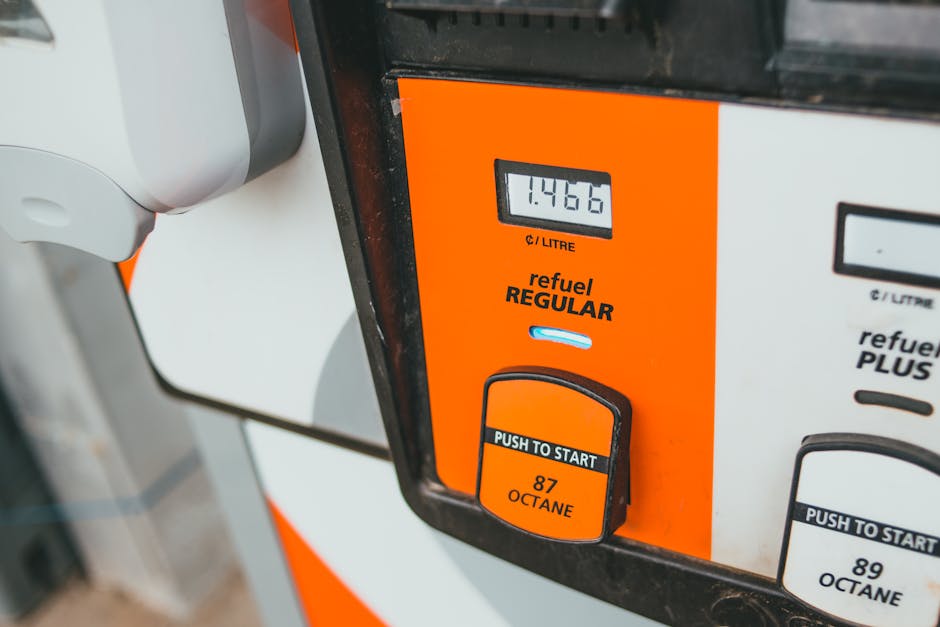
Argentina's government has decided to keep gas prices stable as it shifts towards a free-market economy. This decision reflects the challenges and priorities of the new administration under Milei, impacting consumers and the broader economy.

Buenos Aires, Argentina — In a surprising move, the government led by President Javier Milei has decided to maintain gas prices instead of allowing them to fluctuate in line with free-market principles. This decision comes amidst a broader shift towards liberalizing Argentina’s economy, which has faced significant challenges in recent years. By keeping gas prices stable, the Milei administration aims to provide some relief to consumers while navigating the complexities of an economy plagued by inflation and uncertainty.
The decision to maintain gas prices is particularly significant given the current economic landscape in Argentina. Inflation rates have soared, reaching levels that have historically destabilized the economy. According to reports, inflation hit an annual rate of over 100% in March 2026, making basic commodities increasingly unaffordable for many citizens. In this context, the government’s choice to hold gas prices steady is a tactical move designed to prevent further burdening consumers who are already struggling with skyrocketing living costs.
This policy shift is also a reflection of Milei’s broader economic strategy. The President has been vocal about his commitment to implementing free-market reforms, but he faces a delicate balancing act. While liberalization is essential for long-term economic health, the immediate needs of the Argentine populace must also be addressed. By freezing gas prices, Milei can show that his administration is attentive to the hardships faced by everyday citizens while still signaling a commitment to broader market reforms.
What Changed Quickly
One of the primary reasons for maintaining gas prices is the impact of these costs on inflation. Fuel prices are a key driver of inflationary pressures, affecting transportation costs and, consequently, the prices of goods and services throughout the economy. By stabilizing gas prices, the government hopes to contain inflationary spirals that could further destabilize the economy. This approach aligns with economic forecasts that suggest a need for immediate measures to protect consumers while longer-term reforms are put in place.
However, this move has sparked debates among economists and policymakers. Some argue that freezing prices could lead to distortions in the market, potentially discouraging investment in the energy sector. Without the ability to adjust prices based on market conditions, energy companies might hesitate to invest in infrastructure or exploration, leading to longer-term supply issues. Critics of the government’s decision warn that such measures could exacerbate the very problems Milei aims to solve in the long run.
You may also like
 Career Development
Govt Jobs In Delhi: What It Means for Your Career
Delhi, India — The job landscape in Delhi is changing dramatically. The Delhi Cantonment Board has announced a series of government job openings, offering salaries…
Read More →Argentina has significant natural gas reserves, but the management of these resources has been contentious.
Meanwhile, the energy sector itself has been under pressure from various angles. Argentina has significant natural gas reserves, but the management of these resources has been contentious. The government’s decision to maintain gas prices could deter foreign investment in the sector. According to a recent analysis from Bloomberg, an influx of capital is essential for modernizing Argentina’s energy infrastructure, which has lagged in recent years. Investors often seek stability and predictability in pricing, and sudden government interventions can create a perception of risk.
Another layer to this situation involves international market dynamics. With global oil prices fluctuating, Argentina’s ability to maintain stable gas prices may be tested. The current geopolitical climate, particularly tensions in oil-producing regions, could lead to increased costs for imported fuels. If global prices rise significantly, the Argentine government may find it increasingly difficult to uphold its pricing policy without incurring substantial fiscal costs.
Why the Shift Matters
Furthermore, the government is navigating the political landscape as it implements these changes. Milei’s administration has promised transparency and accountability in managing the economy, but maintaining gas prices could be perceived as a populist measure designed to placate voters. As inflation continues to rage, public discontent could grow if citizens feel that their economic hardships are not being adequately addressed. The political ramifications of this decision could be significant, potentially impacting Milei’s support in the coming months.
In this context, public perception plays a crucial role in the success of Milei’s policies. Citizens are acutely aware of the rising cost of living, and any misstep could lead to public outcry. The administration must communicate effectively about the rationale behind its decision to freeze gas prices, emphasizing the need for immediate relief while also outlining a coherent long-term economic strategy. Failure to do so could lead to a loss of trust in the government’s ability to manage the economy effectively.
You may also like
 Career Development
India’s Corporate Burnout Crisis: Urgent Need for Mental Health Reform
India faces a corporate burnout crisis, highlighting the urgent need for mental health reform in workplaces. Discover its implications and solutions.
Read More →This situation is not unique to Argentina. Other countries facing similar economic challenges have had to grapple with balancing market forces and consumer needs. In recent months, countries like Canada have also seen fluctuations in gas prices, which have prompted government interventions to stabilize costs for consumers. As reported by Bloomberg, Canada’s trade deficit has widened due to rising import costs, illustrating how interconnected global energy markets can impact national economies.
The administration must communicate effectively about the rationale behind its decision to freeze gas prices, emphasizing the need for immediate relief while also outlining a coherent long-term economic strategy.
As the Milei administration continues to navigate these tumultuous waters, the implications of its gas pricing policy will be closely monitored. The decision to maintain prices may provide short-term relief, but it raises important questions about the sustainability of such a strategy in the face of ongoing economic challenges. How will this policy affect investor confidence and the long-term viability of Argentina’s energy sector?
For consumers, the implications of this decision are immediate and tangible. Many Argentines are feeling the pinch of inflation and rising costs. The government’s move to stabilize gas prices may ease some of the pressure, but the underlying economic issues remain. The effectiveness of Milei’s broader economic reforms will ultimately depend on his administration’s ability to address these challenges holistically.
As Argentina positions itself within the global economy, the choices made by the Milei administration could have lasting consequences. Will the government be able to maintain this delicate balance between immediate consumer relief and the need for long-term structural reforms? The coming months will be critical as the nation charts its course through these economic uncertainties.