No products in the cart.

Argentine Economy Posts First Quarterly Contraction Since 2024
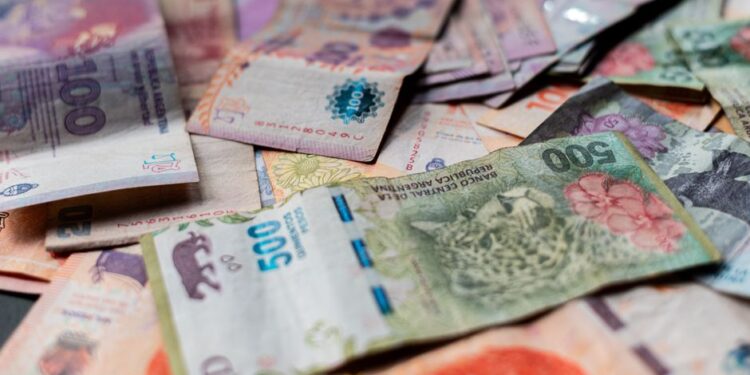
Argentina's economy contracted by 0.6% in the second quarter of 2026, marking its first quarterly decline since 2024 amid rising inflation and political instability.

Argentina’s economy shrank by 0.6% in the second quarter of 2026, marking its first quarterly decline since 2024. This downturn has raised concerns among economists and investors regarding the South American market’s stability. The contraction is attributed to high inflation, political instability, and challenging global economic conditions.
This economic shift occurs at a critical juncture, as Argentina has been grappling with efforts to stabilize its economy amidst soaring inflation and currency devaluation. Investors now face the challenge of reassessing their strategies following this unexpected contraction, which has disrupted growth and diminished consumer confidence—an essential component for economic recovery.
Revised GDP Growth Projections
The contraction has prompted a downward revision of Argentina’s GDP growth projections for the year. Recent analyses indicate that the country’s growth forecast has shifted from a modest increase to potential stagnation or further decline. This change reflects both immediate impacts and longer-term effects on investor confidence.
Data from the St. Louis Fed shows that Argentina’s GDP growth had shown signs of recovery earlier in 2026, but the latest figures indicate that this recovery has abruptly halted. The contraction is linked to rising costs, reduced consumer spending, and a decline in foreign investment. A report from Ainvest highlights that this economic downturn raises concerns about the sustainability of previous growth trends, with inflation rates hovering around 40%, severely impacting consumer purchasing power and domestic demand.
This economic environment poses significant risks for businesses and investors, who must navigate an increasingly volatile market. Furthermore, the contraction is likely to affect the Argentine peso, which is already under pressure. As the currency weakens, import costs rise, exacerbating inflation and creating a cycle of economic instability. Investors must consider how these factors will influence their decisions in the region.
This economic environment poses significant risks for businesses and investors, who must navigate an increasingly volatile market.
Additionally, the contraction has heightened fears of a prolonged economic downturn. Experts warn that without substantial policy changes, Argentina may struggle to recover. The government’s capacity to implement effective fiscal and monetary policies will be crucial for restoring investor confidence and stabilizing the economy. As noted by Latinnews, the current economic climate is fraught with uncertainty, making it essential for investors to remain vigilant.
Investment Landscape Shifts
The contraction in Argentina’s economy signals a potential shift in investment opportunities. Research indicates that sectors once considered stable may now be perceived as high-risk, while others could emerge as safer bets. For instance, agriculture and renewable energy may still attract investment despite the overall downturn.
Investors are increasingly focusing on sectors that can withstand economic shocks. The agricultural sector remains vital for Argentina’s economy due to its export potential. As global demand for food products rises, agricultural investments may provide some protection against domestic economic challenges. Ainvest reports that the agricultural sector has shown resilience, maintaining robust exports even as domestic consumption declines.
Moreover, the renewable energy sector is gaining traction as Argentina aims to diversify its energy sources and reduce reliance on fossil fuels. With government incentives for green energy projects, this sector could offer lucrative opportunities for investors willing to navigate the current economic landscape. The push for renewable energy aligns with global sustainability trends, making it an attractive area for long-term investment.

The interplay between domestic policies, global economic conditions, and investor sentiment will significantly influence the future of the Argentine economy.
However, the overall investment climate remains uncertain. Political instability and policy changes can significantly impact investor sentiment. Analysts emphasize that potential investors should stay alert and adaptable, as Argentina’s economic environment continues to evolve. The interplay between domestic policies, global economic conditions, and investor sentiment will significantly influence the future of the Argentine economy. As the situation develops, investors must be prepared to adjust their strategies in response to new economic realities.
Key Considerations for Investors
The implications of Argentina’s economic contraction are significant for investors and economists analyzing the region. The contraction affects immediate financial outcomes and shapes long-term investment strategies and forecasts. As Argentina navigates this challenging period, it will be essential to monitor signs of recovery or further decline. Currency fluctuations impact more than just immediate finances; they can also affect trade relationships, leading to a drop in export volumes and further straining the economy.
Given these challenges, investors must closely monitor currency trends and adapt their strategies accordingly. Successfully navigating these fluctuations will be crucial for maintaining profitability in a rapidly changing economic environment.

Frequently Asked Questions
What factors contributed to Argentina’s economic contraction?
Key factors contributing to Argentina’s economic contraction include rising inflation rates, reduced consumer spending, and decreased foreign investment. Political instability has also played a significant role in creating uncertainty.
The government’s ability to implement effective policies will be crucial for determining the country’s recovery and stability.
How should investors adjust their portfolios in response to Argentina’s economic changes?
In light of the contraction, investors may need to reassess their portfolios. They should focus on sectors that are more resilient to economic shocks, such as agriculture and renewable energy. Diversifying investments can help mitigate risks from currency fluctuations and market volatility.
What are the long-term implications of this contraction for the Argentine economy?
The long-term implications could include prolonged economic stagnation and a potential decrease in foreign investment. The government’s ability to implement effective policies will be crucial for determining the country’s recovery and stability.
Written by Career Ahead AI. AI can make mistakes, so verify key facts. Report errors to support@careeraheadonline.com.