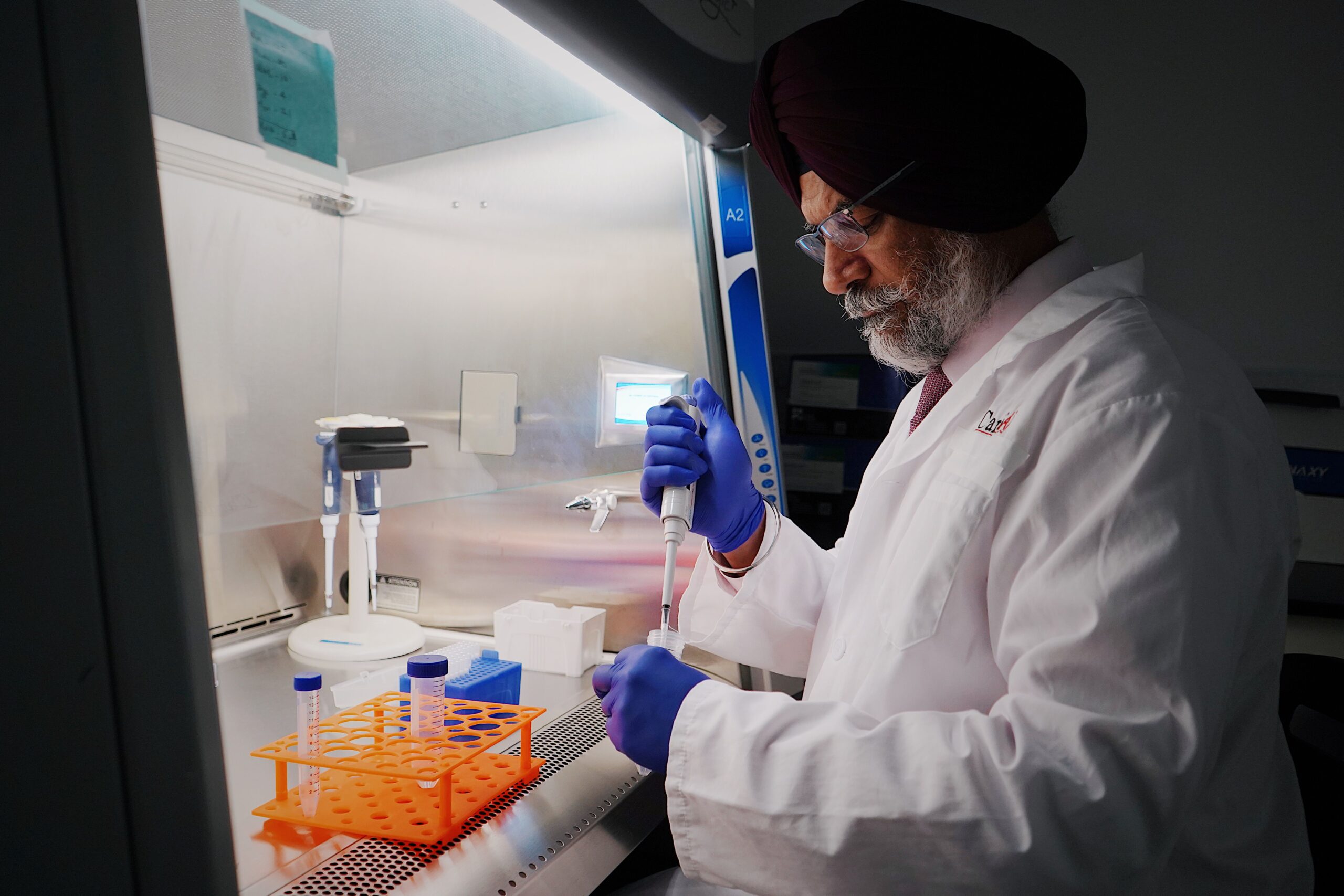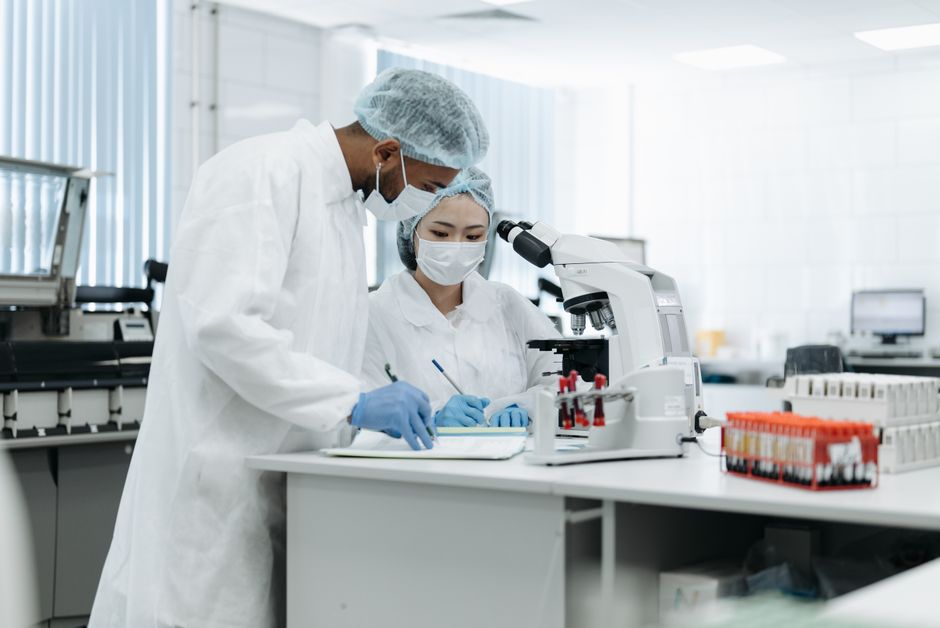
The US government has announced major changes to its visa policies aimed at attracting international scientific talent. These changes will simplify the application process for foreign researchers, making it easier for them to work in the US. This shift comes as competition for scientific talent intensifies, particularly with China ramping up its research capabilities.
In an effort to bolster its position in scientific innovation, the US is streamlining its visa application processes. This includes expanding eligibility for research visas and reducing processing times. These changes are expected to have a significant impact on scientists and entrepreneurs looking to establish themselves in the US.
Enhanced Access for Global Researchers
The new visa policies are designed to facilitate easier entry for foreign scientists into the US. The government aims to attract top talent from countries with robust scientific foundations. Research indicates that improved access to research visas will likely result in an influx of skilled scientists, thereby enriching the US research landscape.
Data from the Harvard Business School AI Institute reveals that the US has historically attracted a substantial share of the world’s scientific talent. However, many researchers are now exploring opportunities in other countries, particularly China, which is significantly increasing its investment in research and development. The new visa policies are a direct response to this challenge, aiming to retain and attract the best scientific minds.
Moreover, the changes extend beyond visa processing. The US is enhancing support systems for foreign researchers, including access to funding and collaboration opportunities. This comprehensive approach is intended to create a more favorable environment for international scientists, encouraging them to choose the US as their primary research destination. The Association of American Universities (AAU) notes that many researchers are weighing the benefits of relocating to the US against the growing appeal of China’s strong funding and infrastructure for scientific research.
Data from the Harvard Business School AI Institute reveals that the US has historically attracted a substantial share of the world’s scientific talent.
Consequently, postdoctoral researchers and early-career scientists will find it easier to secure positions in US institutions. Many research projects require diverse teams with various expertise, which can be best achieved through international collaboration. These policies are expected to stimulate innovation across numerous scientific fields, particularly in biotechnology and artificial intelligence.
 Government & Policy
UK Chancellor Healey Faces Budget Test Amid Economic Pressures
UK growth has beaten forecasts, while inflation and defence costs add pressure to public spending plans.
Read More →Funding Initiatives to Propel Biotech Innovation
In conjunction with the visa policy changes, new funding opportunities are emerging for biotech startups in the US. The government is increasing its investment in research grants aimed at fostering innovation in biotechnology. This aligns with the country’s goal of maintaining leadership in global scientific research. A report from the AI Institute emphasizes that the US must attract talent and provide adequate funding for innovative projects that can lead to significant breakthroughs.
Research from Career Ahead indicates that these funding initiatives support both established companies and emerging startups in the biotech sector. This support is crucial as competition with China intensifies. China has been heavily investing in its biotech sector, making it essential for the US to provide similar backing to its innovators. The Transmitter highlights that while the US has historically led in scientific research, China’s growing investments pose a serious challenge that could shift the balance of scientific power.
Furthermore, collaboration initiatives between US and Chinese research institutions are on the rise. Both countries recognize the importance of scientific collaboration, forming partnerships that leverage each nation’s strengths. These collaborations can lead to shared resources, knowledge exchange, and more impactful research outcomes. However, while collaboration is beneficial, it raises concerns about intellectual property and competitive advantage. As the US attracts international talent, it must also protect the innovations developed within its borders.

Strategic Considerations for Biotech Entrepreneurs
In this evolving landscape, biotech entrepreneurs must remain vigilant. They should consider how these changes in visa policy and funding opportunities can help them secure talent and resources for their startups. The dynamic between US and Chinese scientific efforts will likely shape the future of global research. It is vital for US policymakers to create an environment that attracts talent and fosters sustainable innovation.
The dynamic between US and Chinese scientific efforts will likely shape the future of global research.
As the landscape of scientific talent evolves, the US must navigate these changes carefully to maintain its competitive edge. The growing competition for talent could lead to a fragmented research environment, where countries vie for the best scientists. Researchers may have more options than ever, driving innovation as they seek supportive and resource-rich environments.
 Government & Policy
Musk Warns Neoclouds Face Consolidation; French Protests Escalate
French school protests over conditions brought clashes with police, more than four hundred arrests and ten wounded students and staff.
Read More →However, this competition also raises questions about sustainability. As the US and China invest heavily in attracting talent, other regions may experience a brain drain. Countries that do not support their scientific communities may see a decline in research capabilities.

Ultimately, the changing landscape of scientific talent requires ongoing monitoring. Researchers, institutions, and policymakers must adapt to these changes to remain competitive in a globalized research environment. As we look to the future, we must consider how these shifts will impact scientific collaboration. Will we see a more integrated global research community, or will competition lead to isolationism? The answers to these questions will shape the future of scientific innovation for years to come.
Frequently Asked Questions
What are the new visa options for foreign scientists in the US?
The US has introduced new visa options to simplify the application process for foreign scientists. These changes include broader eligibility criteria and reduced processing times, making it easier for international researchers to work in the US.
These changes include broader eligibility criteria and reduced processing times, making it easier for international researchers to work in the US.
How can postdoctoral researchers benefit from US policies on scientific talent?
Postdoctoral researchers can benefit from the new policies by gaining increased access to research positions in the US. The streamlined visa process and enhanced support systems are expected to create more opportunities for early-career scientists.

What should biotech entrepreneurs consider when relocating to the US?
Biotech entrepreneurs should consider the enhanced funding opportunities and the ability to attract international talent. The new visa policies and government support for innovation can significantly benefit startups looking to establish themselves in the US market.
 Government & Policy
How to Prepare for Campus Placements in India
Aptitude rounds, company-specific interviews and one-offer policies shape a practical preparation order for students seeking campus internships or jobs.
Read More →Written by Career Ahead AI. AI can make mistakes, so verify key facts. Report errors to support@careeraheadonline.com.