


YouTube is intensifying its efforts to enhance viewer engagement on television, focusing on interactive features that transform how audiences consume content. Recent job postings indicate a strategic push towards creating immersive experiences in the living room, reflecting a significant shift in viewer behavior.
In 2026, connected TVs accounted for over 44% of YouTube’s total watch time in the U.S., up from about 41% in 2022. This growth highlights a trend where more viewers are opting for larger screens. The new job listings reveal that YouTube is focusing on features such as chatting, gifting, and multi-device controls for live viewing, aiming to create a more community-driven experience that allows creators and audiences to connect in real time.
Collaborations to Boost Viewer Interaction
YouTube is also forging partnerships with media companies to enhance its offerings. A notable collaboration with FIFA for the 2026 World Cup exemplifies this strategy, promising an immersive viewing experience across various devices. This partnership is part of YouTube’s broader initiative to deepen engagement on the biggest screen, leveraging high-profile events to attract viewers and encourage interaction.
As YouTube expands its TV features, it faces the challenge of making interaction on larger screens as seamless as it is on mobile devices. The integration of AI-powered voice search and second-screen functionalities, such as the “TV Companion” app, could significantly enhance engagement by allowing viewers to interact with videos from their phones. This approach aligns with the growing trend of viewers seeking more interactive and personalized experiences.
Ross Benes, a senior analyst at eMarketer, notes that viewers do not interact with TV screens the same way they do with their phones, leading to a clunky experience that limits the effectiveness of interactive features.
Barriers to Interactive TV Engagement
Despite its ambitions, YouTube’s journey to make TV more interactive is fraught with challenges. Historically, viewer engagement on television has lagged behind that on mobile and desktop platforms. Ross Benes, a senior analyst at eMarketer, notes that viewers do not interact with TV screens the same way they do with their phones, leading to a clunky experience that limits the effectiveness of interactive features. This sentiment is echoed by various industry experts who highlight that while interactive TV features have remained niche, they often fail to significantly alter viewer behavior.
 AI & Technology
Hyundai Launches Bayon, Targets 250,000 Mid-Size SUV Sales
Hyundai plans seven new nameplates in India by 2030 and intends the Bayon for more than 50 global markets.
Read More →This presents a critical hurdle for YouTube as it attempts to bridge the gap between social interaction and traditional streaming. The platform’s unique position allows it to experiment with new formats, but whether these innovations will resonate with viewers remains uncertain. As YouTube works to enhance its TV offerings, it must also consider how to differentiate itself from competitors in a crowded streaming landscape.
Prospects for YouTube’s Interactive Future
YouTube’s push for interactive features could reshape content consumption. The platform’s efforts to integrate AI-powered voice search and second-screen functionalities are steps towards a more integrated viewing experience. Features like the “TV Companion” app, which allows viewers to interact with videos from their phones, could significantly enhance engagement.
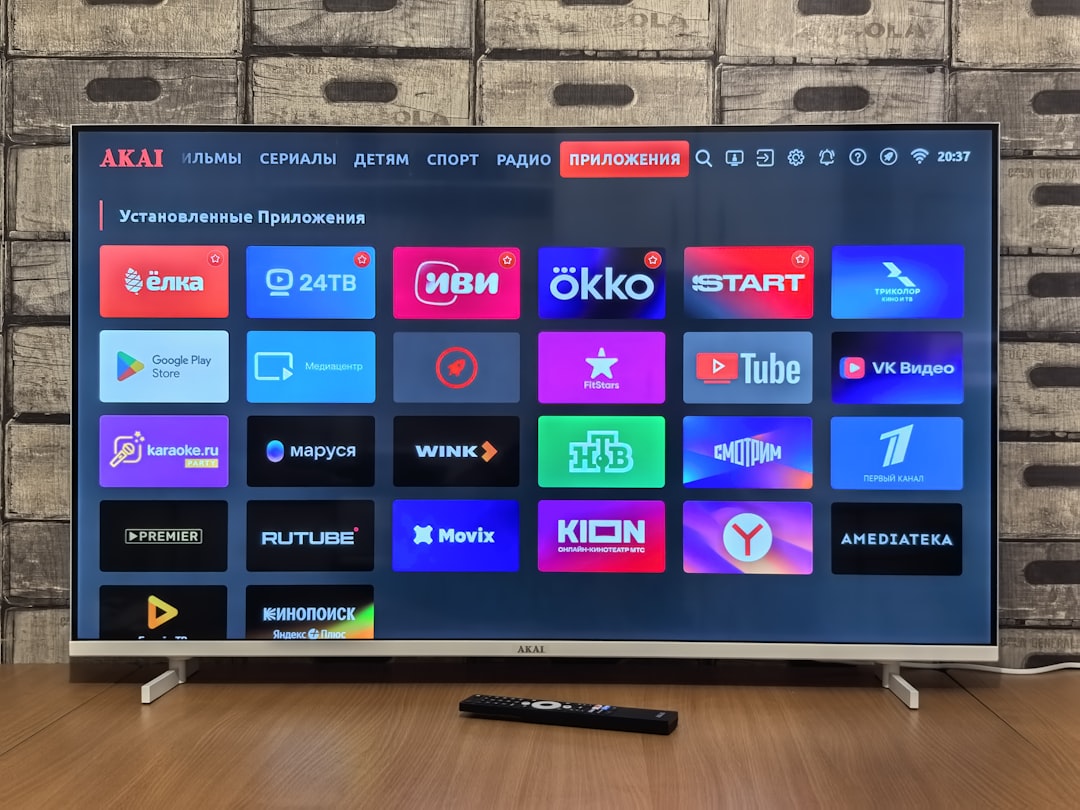
As YouTube continues to innovate, its success will depend on how well it can adapt to viewer preferences. The platform’s growth in the TV space suggests that audiences are ready for more interactive experiences. However, YouTube must also navigate the complexities of user behavior on different devices. Engaging viewers on TV will require a delicate balance between content delivery and interactivity.
As YouTube works to enhance its TV offerings, it must also consider how to differentiate itself from competitors in a crowded streaming landscape.

Ultimately, YouTube’s expansion into interactive TV could set a new standard for how audiences engage with content. As the platform explores new formats and partnerships, it may redefine what it means to watch TV in the digital age. The future of YouTube could hinge on its ability to create a seamless blend of entertainment and interaction, making viewers feel more connected to the content they consume.
As this evolution unfolds, the industry will be watching closely. Will YouTube succeed in transforming the TV viewing experience, or will it face the same hurdles that have limited interactive features in the past? The coming months will be crucial in determining the platform’s trajectory in this competitive landscape.
Written by Career Ahead AI. AI can make mistakes, so verify key facts. Report errors to support@careeraheadonline.com.





