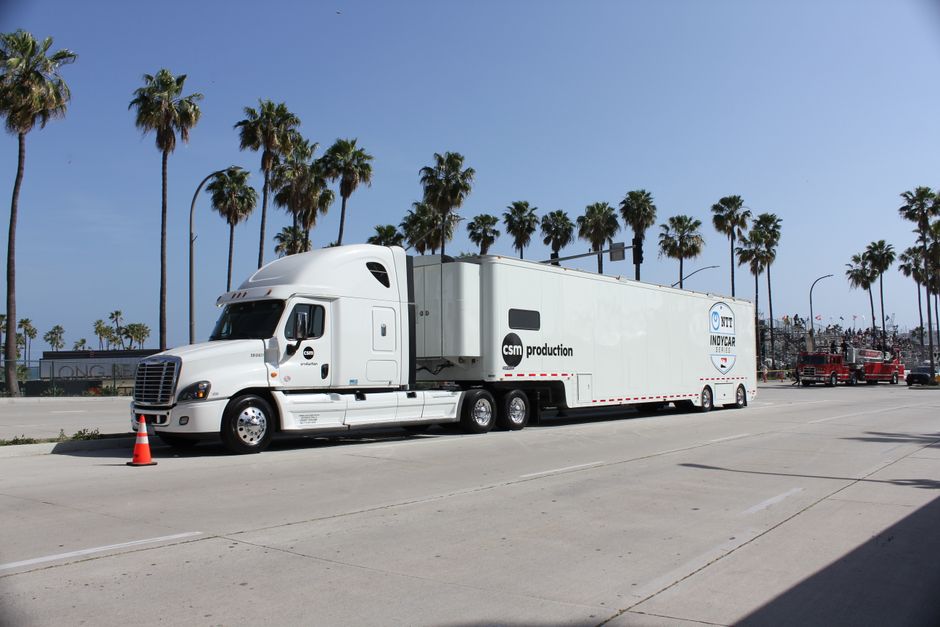
California — Self-driving trucks from Kodiak AI and Aurora Innovation are now testing on public highways. The California Department of Motor Vehicles has granted permits for these companies to operate their autonomous vehicles. This marks a significant step in transportation logistics. Testing has started mainly around Kodiak’s Mountain View office. Both companies are following new regulations that allow driverless trucks over 10,000 pounds on public roads.
This development is important as it allows autonomous vehicle technology to grow beyond controlled settings. The new rules, approved on April 28, 2026, let companies test and eventually deploy heavy-duty autonomous vehicles in California. Previously, such operations were limited. However, testing faces legal challenges. Teamsters California is suing the DMV over concerns about economic impacts and safety.
Transforming Vehicle Automation Technologies
The introduction of self-driving trucks in California marks a major change in vehicle automation technologies. Companies like Kodiak AI and Aurora Innovation lead this transformation. They use advanced AI systems to improve the efficiency and safety of freight transportation. Career Ahead’s analysis shows these technologies can greatly reduce human error, a leading cause of accidents in trucking.
As these companies test their trucks, they will collect valuable data on performance in real-world conditions. This data is crucial for refining algorithms and enhancing vehicle safety. Testing in California also provides a diverse environment, which can speed up technological advancements.
However, integrating these technologies into logistics will require significant changes in workforce skills. Autonomous vehicle engineers need to develop complex algorithms and ensure compliance with changing regulations. They must also understand the legal frameworks governing autonomous vehicle operations, which are still evolving as agencies respond to this new technology.
As Kodiak and Aurora expand testing, they may face challenges related to public acceptance and regulatory issues. Addressing these concerns is vital for the wider adoption of autonomous trucks. Engineers and logistics managers must stay informed about technological advancements and regulatory changes.
Career Ahead research indicates that logistics managers will need to rethink route planning, vehicle maintenance, and workforce deployment with these new technologies.
Shifts in Logistics and Supply Chain Management Practices
The testing of self-driving trucks is set to change logistics and supply chain management practices significantly. As companies integrate autonomous vehicles into their fleets, traditional logistics strategies must adapt. Career Ahead research indicates that logistics managers will need to rethink route planning, vehicle maintenance, and workforce deployment with these new technologies.
 Industry & Global Trends
Agarwal Says India Can Attract Data Centre Investment
Agarwal cites data-centre construction costs around half the US and Europe level, renewable energy, a 1.5 billion population and coastline.
Read More →For example, autonomous trucks can operate around the clock, leading to faster delivery times and lower operational costs. This capability may shift logistics managers’ focus from managing human drivers to overseeing vehicle fleets and ensuring smooth technology operations. Consequently, logistics managers will need new skills in technology management and data analysis.
Moreover, the arrival of autonomous trucks could prompt a re-evaluation of supply chain partnerships. Companies may collaborate with technology providers to boost their logistics capabilities, leading to a more integrated approach. This shift could drive innovation and efficiency but requires logistics professionals to proactively seek new partnerships and technologies.
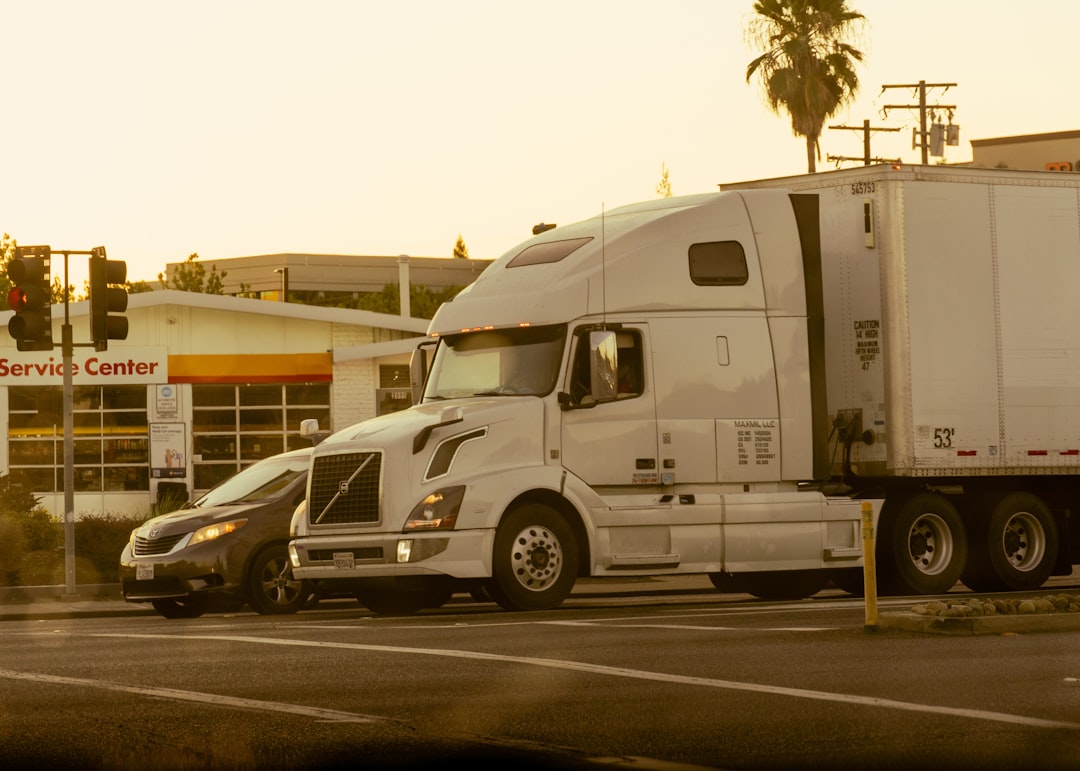
However, transitioning to autonomous logistics will not be easy. There are concerns about job displacement for drivers as the industry faces reduced workforce needs. The Teamsters California lawsuit highlights the contentious nature of this transition, as labor unions advocate for protections and regulatory oversight of autonomous vehicle deployment.
As testing progresses, it is crucial for logistics managers to engage with stakeholders, including labor organizations. This engagement can help ease resistance to new technologies and create a collaborative environment for innovation.
Career Ahead analysis finds that these regulatory frameworks must evolve as technology advances.
Regulatory Considerations for Autonomous Vehicles
Regulatory considerations are vital for deploying self-driving trucks. Recent changes by the California DMV show a willingness to embrace innovation while addressing safety concerns. The new rules allow testing of driverless trucks under specific conditions, such as requiring a human safety operator and setting speed limits.
Career Ahead analysis finds that these regulatory frameworks must evolve as technology advances. Policymakers need to balance the benefits of autonomous vehicles with public safety and economic impact. This balancing act requires ongoing dialogue among technology developers, regulators, and the public.
 Industry & Global Trends
Tech Layoffs Near 196,000 Globally in 2026
Nearly 196,000 tech professionals were laid off globally by late October 2026. May saw about 29,000 jobs eliminated in a single month.
Read More →As more companies enter the autonomous vehicle market, regulatory bodies will face pressure to create comprehensive guidelines. These guidelines must ensure safety without hindering innovation. This dynamic environment will require engineers and logistics managers to stay updated on regulatory changes that could affect their operations and technology deployment.
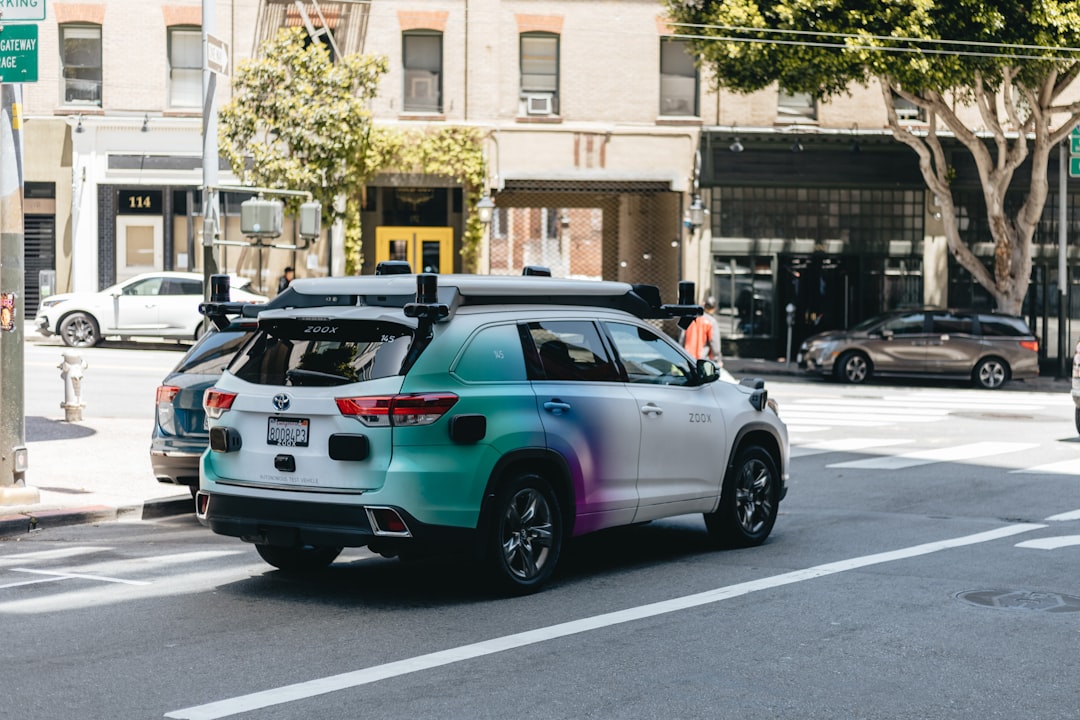
Furthermore, legal challenges from labor unions, like the Teamsters California lawsuit, highlight the need to consider the socio-economic impacts of autonomous vehicles. As the industry evolves, stakeholders must discuss workforce impacts and the future of work in logistics.
Given these developments, the future of autonomous trucking in California may influence regulations in other states and countries. As California leads the way, other regions might look to its regulatory framework as a model for their own policies.
Engineers working on autonomous trucks should focus on AI, machine learning, and data analysis.
As the landscape of autonomous vehicles evolves, the implications for logistics and supply chain management are profound. Will California’s regulatory approach serve as a blueprint for the rest of the country, or will it face challenges that slow innovation? The answers to these questions will shape the future of transportation logistics.
Frequently Asked Questions
What skills do autonomous vehicle engineers need to develop for self-driving trucks?
Engineers working on autonomous trucks should focus on AI, machine learning, and data analysis. Understanding regulatory frameworks and safety standards is also crucial as these will impact vehicle design and operation.
How will self-driving trucks affect logistics management strategies?
Self-driving trucks will require logistics managers to rethink route planning and fleet management. The ability to operate autonomously will shift the focus from managing human drivers to overseeing technology and data systems.
 Industry & Global Trends
GIFT City Funds: Minimums, Tax and Returns Compared
GIFT City funds use a separate regulatory framework and offer investment options with different minimums, tax treatment and performance.
Read More →
What should transportation logistics managers consider when integrating autonomous vehicles into their operations?
Logistics managers should consider the regulatory landscape, potential job impacts, and the need for new partnerships with technology providers. Engaging with stakeholders, including labor organizations, will also be important for a smooth transition.
Written by Career Ahead AI. AI can make mistakes, so verify key facts. Report errors to support@careeraheadonline.com.