In response to severe flooding and controversial remarks by the Education Minister, students across Bangladesh are demanding urgent reforms in the education system, highlighting their frustrations with government policies.
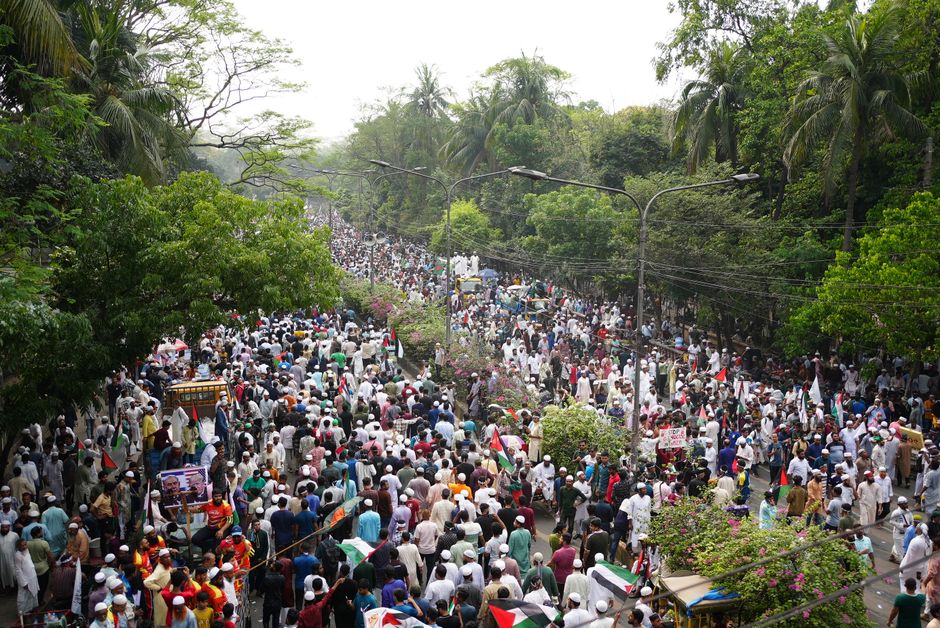
Bangladesh is currently witnessing a surge in student protests, primarily driven by recent disruptions in the examination process and controversial remarks made by the Education Minister, A N M Ehsanul Hoque Milon. On July 18, 2026, students took to the streets in major cities, including Dhaka and Chittagong, demanding immediate reforms in the education system. The protests were ignited after the Higher Secondary Certificate (HSC) exams, which began on July 2, faced significant interruptions due to heavy rainfall and flooding, particularly affecting the Chittagong region.
The torrential rains led to widespread flooding, resulting in the suspension of exams in five districts. Despite the adverse weather conditions, the Ministry of Education insisted on proceeding with exams in other areas, forcing many students to navigate knee-deep water to reach their exam centers. This situation not only jeopardized their physical health but also severely impacted their mental preparedness for the exams. The lack of communication from the Ministry regarding alternative arrangements for affected students further exacerbated feelings of abandonment and anxiety among the youth.
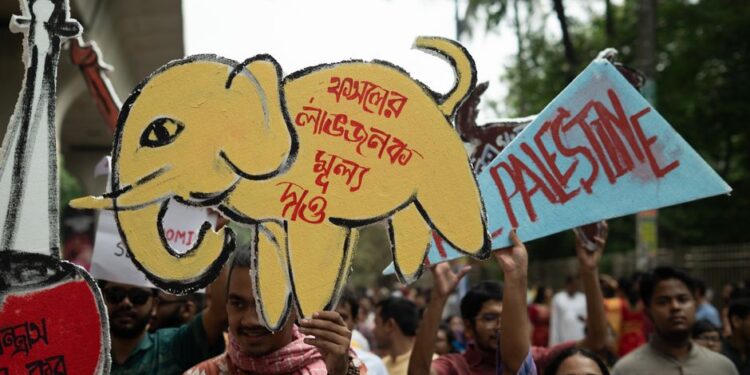
The situation escalated dramatically when Minister Milon made derogatory comments comparing students to “farm chickens” in a leaked audio recording. This remark, perceived as dismissive and insensitive, ignited outrage among students, who responded with chants such as “Who are you? Who are we? Farm chicken!” during protests that blocked roads and surrounded education boards. The backlash against Milon’s comments reflects a broader sentiment among students who feel marginalized and disrespected by those in power. The Economic Times highlighted that the protests extend beyond the immediate exam crisis, representing a growing frustration with the government’s neglect of student welfare.
Disconnection Between Government Policies and Student Needs
The ongoing protests underscore a significant disconnect between government education policies and the realities faced by students. The insistence on maintaining exam schedules during severe weather conditions illustrates a lack of understanding of students’ needs and challenges. This disconnect is not limited to exam logistics; it encompasses broader educational reforms that students believe are essential for their future. Their demands for a more responsive education system resonate with their experiences of navigating a system that often appears indifferent to their struggles.
According to a report from The Diplomat, the government’s response to the protests has been largely reactive. Following the protests, Prime Minister Tarique Rahman met with Minister Milon, resulting in an apology from Milon in Parliament. He acknowledged the difficulties faced by students and promised new arrangements for those unable to attend exams due to flooding. However, student leaders argue that these measures are insufficient and do not address the deeper systemic issues within the education system. The absence of a comprehensive plan to tackle these problems has left many feeling that the government is merely offering lip service to their concerns.
The UGC has identified 32 universities operating without authorization, urging students to verify the legitimacy of educational institutions to avoid scams. As online learning grows,…
This disconnect is not limited to exam logistics; it encompasses broader educational reforms that students believe are essential for their future.
The protests also signify a generational shift in political engagement among young people in Bangladesh. Students are increasingly vocal about their rights and the need for reforms that align with their aspirations. Many feel that their voices are often overlooked in policy-making processes. The BBC reported that these protests reflect a broader trend of youth activism in Bangladesh, where young people are demanding accountability from their leaders.
Mental Health Implications of the Exam Crisis
The mental health effects stemming from the exam crisis are profound. Many students have reported feelings of anxiety and overwhelm due to the chaotic exam conditions and a lack of support from educational authorities. The psychological toll of such crises can have lasting impacts on students’ academic performance and overall well-being. Policymakers must prioritize mental health resources within the education system to address these urgent needs. The Firstpost emphasizes that addressing mental health is crucial for future educational reforms.
Public Perception and Accountability in Education Leadership
Education ministers play a pivotal role in shaping public perception, especially during crises. Minister Milon’s comments and the subsequent backlash illustrate how public figures can influence the narrative surrounding education policies. His remarks alienated students and raised serious questions about the government’s commitment to addressing educational challenges. Research indicates that effective communication and empathy are essential for education leaders to build trust with students and parents. The failure to communicate effectively during this crisis has heightened tensions and mistrust between students and the government.
The government’s handling of the protests will likely influence public perception of its ability to manage educational reforms. While Milon’s apology may alleviate some immediate anger, it also highlights a deeper issue of accountability. Students are not merely seeking apologies; they demand tangible changes that reflect their needs. The Economic Times noted that the protests signal a generation unwilling to accept the status quo and ready to advocate for their rights.
Future of Education Policy in Bangladesh
The ongoing protests may represent a pivotal moment in the formulation of education policies in Bangladesh. As students continue to advocate for their rights, there is potential for a more inclusive dialogue between policymakers and young people. This could lead to meaningful reforms that prioritize student needs and experiences. The government’s willingness to engage with these demands will be crucial in shaping the future of education in the country.
Research indicates that effective communication and empathy are essential for education leaders to build trust with students and parents.
Frequently Asked Questions
What are the main demands of high school students in Bangladesh regarding the exam crisis?
High school students primarily demand the postponement of exams during bad weather, better communication from authorities, and reforms that address their concerns. They want a more responsive education system that prioritizes their well-being.
How can education policy analysts assess the impact of student protests on future reforms?
Education policy analysts can assess the impact of student protests by examining changes in government responses, shifts in public perception, and the implementation of proposed reforms. Tracking these developments will provide insights into how effective student advocacy is in shaping policy.
What should high school students do to voice their concerns about educational policies?
High school students can organize peaceful protests, engage with local leaders, and use social media to amplify their voices. Building coalitions with other student groups can strengthen their advocacy efforts and increase visibility for their demands.



Education & University Insights

 Education & University Insights