No products in the cart.

Bank Strike Disrupts UPI and ATM Services
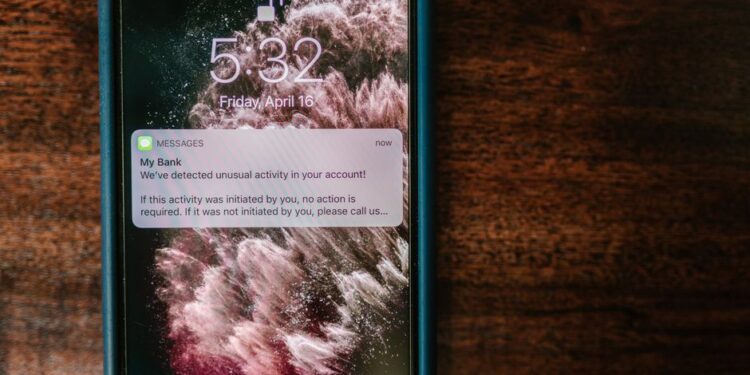
A three-day nationwide bank strike is set to take place from September 28 to 30, 2026, proposed by the United Forum of Bank Unions (UFBU). Customers are advised to complete essential banking transactions ahead of the strike dates to avoid any inconvenience.

A three-day nationwide bank strike is planned from September 28 to 30, 2026. The United Forum of Bank Unions (UFBU), a coalition of seven unions, proposed this action. The strike aims to address grievances in the banking sector, including demands for better wages and working conditions. The State Bank of India (SBI) has warned customers about possible disruptions to banking services, especially UPI, ATM, and internet banking operations during this time.
This strike occurs when digital transactions are crucial for everyday banking. Customers should complete essential banking tasks before the strike to avoid issues. SBI’s notice states they will try to maintain essential services, but employee participation in the strike may greatly affect operations. According to a report by Mint, the strike could disrupt over 100,000 bank branches nationwide.
Disruption of UPI Services and Digital Transactions
UPI (Unified Payments Interface) has changed how transactions happen in India. It allows quick and easy money transfers. However, during the strike, UPI services may face major disruptions. SBI encourages customers to use digital channels like mobile banking and YONO for transactions. Still, the effectiveness of these channels may be limited if many bank staff join the strike. The Business Standard reported that past strikes led to a drop in service efficiency, leaving many customers unable to complete transactions.
Career Ahead’s analysis suggests the strike could create a backlog of transactions. This is especially true for services needing bank verification or support. Customers who rely on UPI for daily payments may struggle to make transactions. This affects everything from bill payments to online shopping. The impact is significant for salaried professionals who need timely transactions for their financial commitments. Additionally, transaction failures during the strike could frustrate users, leading to errors or delays in payments.
While digital channels are recommended, not all banking services can be done online. Services like loan approvals and account openings, which need physical documents, will likely be delayed. This shows the need to plan ahead for banking needs, especially for urgent fund access. As the strike date nears, customers should consider alternative payment methods. Options like cash transactions or using customer service points (CSPs) may help reduce the impact of UPI disruptions. However, these alternatives might not be as convenient for larger transactions.
The impact is significant for salaried professionals who need timely transactions for their financial commitments.
In summary, the potential disruption of UPI services during the strike highlights the need for customers to prepare. By understanding the limits of digital banking during this time, individuals can manage their financial responsibilities better. Many businesses now rely on UPI for transactions, which could have broader economic effects if disruptions are significant.
Limited Access to ATM Services
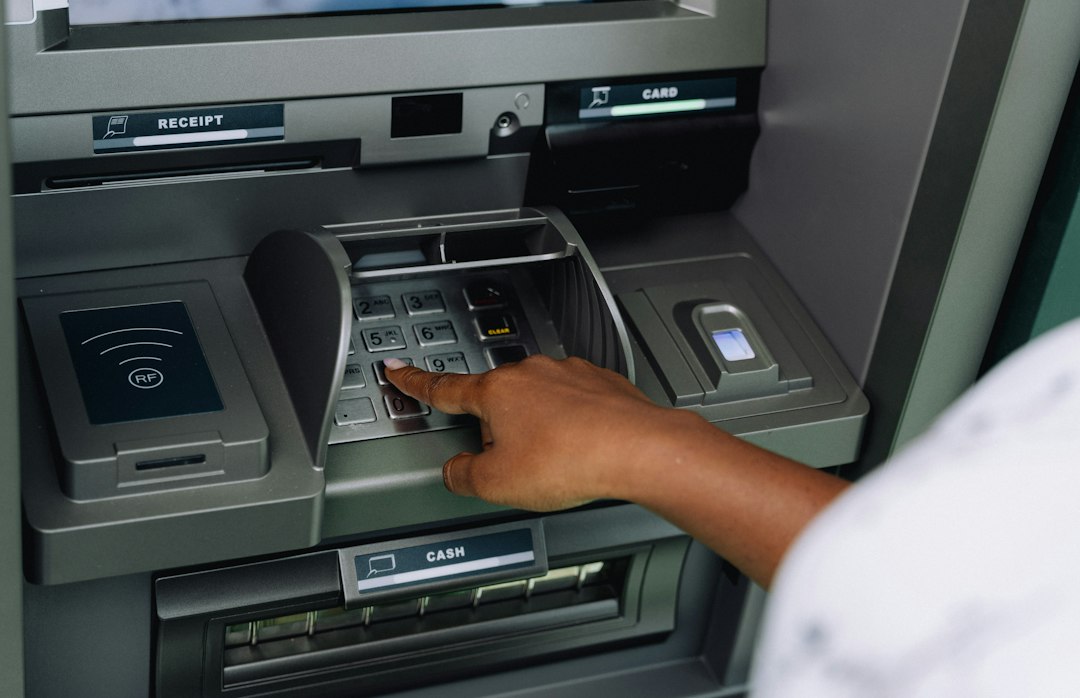
The upcoming bank strike will also impact ATM services nationwide. While SBI advises customers to use ATMs for cash withdrawals, funds may be limited due to the strike. Many ATMs are restocked by bank staff, and high employee participation in the strike could reduce cash availability. Research from Career Ahead shows that during previous strikes, many ATMs quickly ran out of cash, leaving customers without funds when they needed them. This trend is likely to happen again, especially in urban areas with high ATM usage.
Customers should withdraw enough cash before the strike to avoid being without funds. The strike may also lead to longer wait times at ATMs, as fewer machines might be operational. Customers could face longer lines, especially in busy areas. This situation could add to frustrations for those who depend on ATMs for daily cash needs. The Bankers Club noted that past strikes saw increased ATM queues, with many users unhappy about the lack of accessible cash during critical times.
To handle this potential cash shortage, customers should assess their cash needs ahead of time. Understanding typical cash flow requirements around the strike can help avoid stress and complications. The limitations on ATM services during the strike remind us of the importance of being prepared. By planning ahead, customers can ensure they have the funds they need during this critical time. The potential for reduced ATM service availability could also increase reliance on digital payment methods, highlighting the need for strong digital infrastructure during disruptions.
In essence, the expected outages in internet banking services underline the need for proactive measures. By being aware of potential disruptions, customers can protect their financial interests during this crucial period. As the bank strike approaches, banking customers must stay alert and ready for the upcoming disruptions. Understanding the potential impact on UPI, ATM, and internet banking services can help individuals manage their financial transactions more effectively during this challenging time.
To handle this potential cash shortage, customers should assess their cash needs ahead of time.
Frequently Asked Questions
How can I manage my finances during the bank strike?
Customers should finish essential banking tasks before the strike dates to avoid disruptions. It’s also wise to withdraw cash in advance and explore alternative payment methods.
What alternative payment methods can I use if UPI is down?
If UPI services are disrupted, customers can use cash transactions, customer service points (CSPs), or other digital payment methods that do not rely on UPI.
What should banking customers do to prepare for the upcoming bank strike?
Banking customers should evaluate their financial needs, complete pending transactions, and withdraw enough cash to cover expenses during the strike. Planning ahead can help lessen the strike’s impact.
Written by Career Ahead AI. AI can make mistakes, so verify key facts. Report errors to support@careeraheadonline.com.