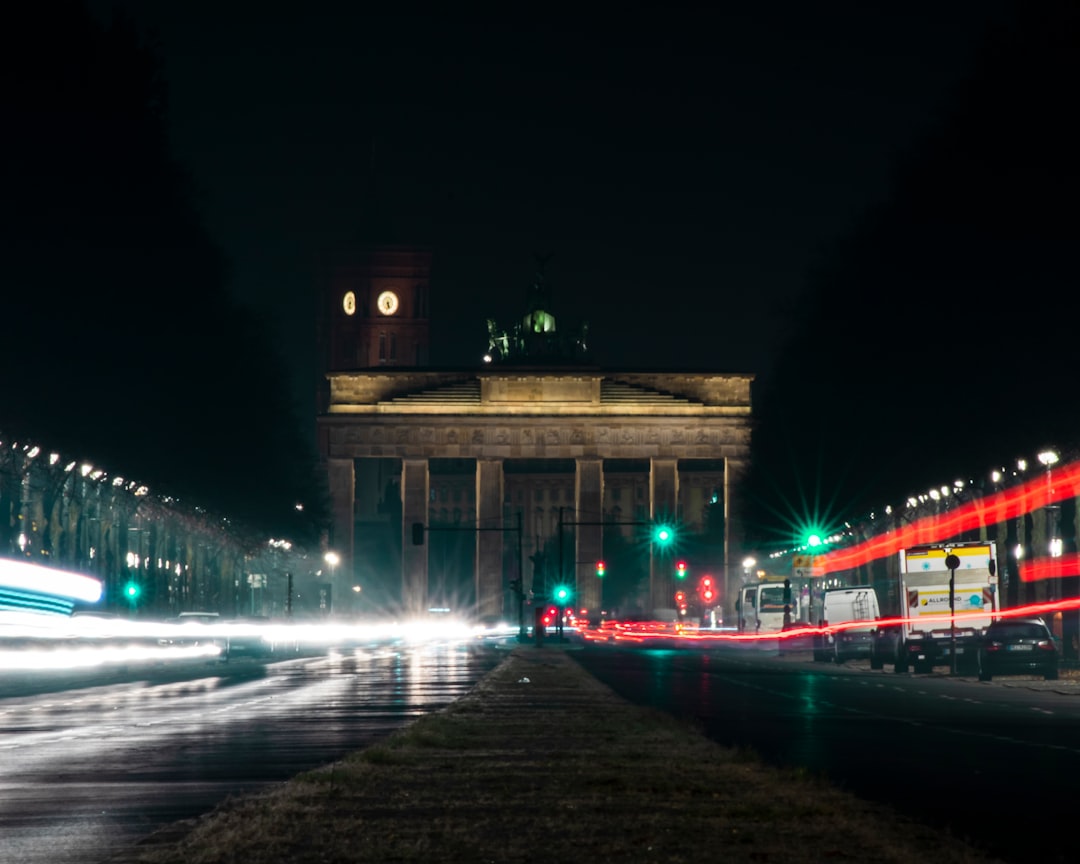
Berlin, Germany — Residents of Berlin are in shock following a recent arson attack that caused a massive blackout, leaving parts of the city in darkness for over three days. This incident has raised serious questions about the security and reliability of the city’s infrastructure and has sparked outrage among citizens demanding accountability. The attack, claimed by a group of left-wing anarchists known as Vulkangruppe, has not only disrupted daily life but has also exposed vulnerabilities in the systems that support one of Europe’s largest economies.
The blackout affected approximately 45,000 households, nearly 2,000 businesses, and several critical institutions, including hospitals and schools. As the power outage unfolded, many residents were left without heating or hot water during the winter. The incident has prompted urgent calls for improved civil protection and disaster preparedness, highlighting the need for investment in infrastructure security.
Many Berliners are questioning how such a significant disruption could occur in a city that is often viewed as a model of modernity and efficiency. The attack on the power grid has ignited fears about the potential for future incidents and the overall safety of public services. Residents like Silke Peters, who had prepared for emergencies in the past, are now reflecting on the fragility of their city’s infrastructure.
Why Infrastructure Security Matters in Berlin
The recent blackout has forced Berliners to confront the reality of their city’s infrastructure vulnerabilities. The Vulkangruppe claimed their actions were meant to protest Germany’s reliance on fossil fuels and to highlight the urgent need for a transition to sustainable energy sources. However, the consequences of their actions have left many citizens feeling unsafe and questioning the efficacy of their local government.
Experts in critical infrastructure have long warned about the potential risks associated with a lack of preparedness for such attacks. Manuel Atug from AG Kritis expressed concerns that the city’s infrastructure systems, including electricity and water, are not adequately backed up to prevent failures from single events. This incident has underscored the importance of developing resilient systems that can withstand disruptions.
She emphasized the need for policymakers to prioritize security measures over transparency in order to protect vital services.
 Government & Policy
Chinese Brands Drop Mbappé After Mao Joke Backlash
Mengniu and Dongpeng condemned words that hurt Chinese sentiment, while CCTV suspended La Liga matches, according to The Paper.
Read More →Moreover, the response from local authorities has been scrutinized. Berlin’s energy and economy senator, Franziska Giffey, acknowledged that the attack was a serious blow to critical infrastructure. She emphasized the need for policymakers to prioritize security measures over transparency in order to protect vital services. This incident has sparked a broader debate about the balance between public information and the security of essential infrastructure.
As the city begins to recover from the blackout, many residents are left wondering what steps will be taken to prevent similar incidents in the future. The Red Cross has called for increased investment in civil protection and disaster relief, while local politicians face pressure to address the underlying issues that allowed this attack to occur.
Implications for Berlin’s Residents and Businesses
The impact of the blackout extends beyond immediate inconveniences. For many Berliners, the incident has raised concerns about job security and economic stability. Businesses that rely on consistent power supply faced significant losses during the outage, and the fear of future disruptions looms large.
For entry-level workers, the blackout serves as a stark reminder of the unpredictability of urban living. Many young professionals depend on public transport and reliable services to commute to work. Interruptions in these systems can lead to missed opportunities and financial strain. As a result, the incident may prompt some workers to seek employment in regions with more stable infrastructure.
Mid-career professionals, particularly those in the tech and energy sectors, may find that their roles are increasingly focused on resilience and sustainability. Employers are likely to prioritize candidates who can contribute to developing robust systems that can withstand threats. This shift in focus could lead to a demand for new skills and certifications that align with infrastructure security.
 Government & Policy
MSMEs Demand Action on Rising Steel and Metal Prices
Rising material costs have been a persistent issue for MSMEs, which are already grappling with higher prices for diesel, furnace oil, and LPG.
Read More →Career switchers might also see opportunities in the wake of this incident. As cities around the world grapple with infrastructure challenges, there may be a growing need for professionals who can navigate the complexities of energy systems, urban planning, and emergency management. Those looking to pivot their careers may find value in pursuing education and training in these areas.
Businesses that rely on consistent power supply faced significant losses during the outage, and the fear of future disruptions looms large.
Steps Residents Can Take for Future Preparedness
- Stay Informed: Keep abreast of local news and updates regarding infrastructure projects and safety measures. Understanding the status of public services can help you anticipate potential disruptions.
- Engage with Local Officials: Attend town hall meetings and communicate with your representatives about infrastructure concerns. Advocacy can drive change and improve community resilience.
- Prepare for Emergencies: Consider creating an emergency kit that includes essential supplies such as food, water, and communication devices. Being prepared can make a difference during unforeseen events.
- Advocate for Sustainable Practices: Support initiatives that promote renewable energy and sustainable infrastructure. Engaging with local environmental groups can help push for systemic changes that enhance resilience.
However, experts warn that this trend may not be sustainable. A recent report from AG Kritis indicates that while public awareness is rising, actual investment in infrastructure improvements remains low. Without adequate funding and political will, the risk of similar incidents could increase.
Looking Ahead: The Future of Berlin’s Infrastructure
The recent blackout has prompted a critical examination of Berlin’s infrastructure vulnerabilities. As the city seeks to recover, there is an opportunity for leaders to prioritize investment in resilient systems that can withstand future threats. The focus on sustainability and security will likely shape urban policy in the coming years.
As Berliners demand answers and accountability, the question remains: will the city take the necessary steps to ensure that such a disruption does not happen again? The future of Berlin’s infrastructure depends on the actions taken today to protect its residents and businesses from potential threats.
Written by Career Ahead AI. AI can make mistakes, so verify key facts. Report errors to support@careeraheadonline.com.