No products in the cart.

Beyond Borders: How International Education Unlocks Your Career Potential
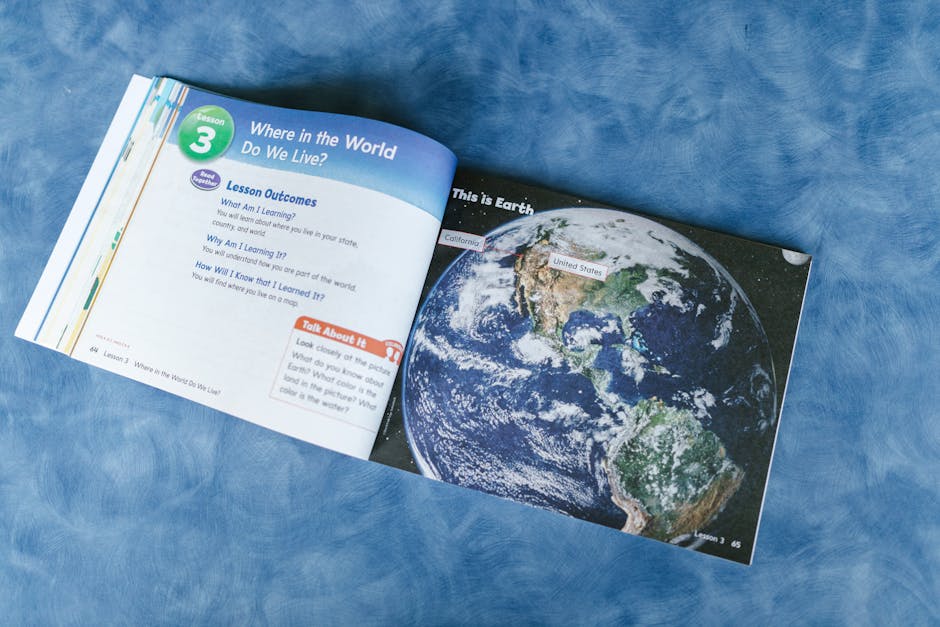
International education is crucial for young professionals to develop essential global skills, adaptability, and cross-cultural communication needed for success in today's interconnected career landscape.

The world is shrinking, not in size, but in the distance between cultures, economies, and opportunities. For ambitious young professionals navigating the intricate pathways of modern careers, this global convergence isn’t just a trend; it’s the new reality. Events like International Education Week, recently celebrated with vibrant energy at institutions such as Albany State, serve as powerful reminders of how deeply intertwined our local aspirations are with global horizons. They aren’t merely cultural showcases; they are vital incubators for the skills and mindsets that define success in the 21st century.
In an era where a startup in Silicon Valley might outsource development to Bangalore, or a marketing campaign in London targets consumers in Seoul, the ability to think globally is no longer a niche skill but a fundamental requirement. International Education Week, with its diverse array of cultural presentations, discussions, and networking opportunities, encapsulates this shift. It’s a microcosm of the globalized workplace, offering a glimpse into the rich tapestry of perspectives and talents that drive innovation and progress worldwide. For young people aged 15-35, understanding and engaging with this global dynamic is paramount to building a resilient and impactful career.
Imagine a world where your next colleague could be from any continent, your next client speaks a different first language, or your next big project involves collaboration across multiple time zones. This isn’t a futuristic fantasy; it’s the present. Embracing international education, whether through formal study abroad programs, virtual exchanges, or simply engaging with diverse communities locally, equips you with an invaluable toolkit. It’s about cultivating a global mindset – an empathetic, adaptable, and culturally intelligent approach to problem-solving and collaboration that transcends geographical boundaries.
The Global Imperative: Why International Skills Are Non-Negotiable
In today’s interconnected professional landscape, the demand for individuals with international exposure is skyrocketing. Employers across virtually every sector—from technology and finance to healthcare and non-profits—are actively seeking candidates who can navigate complex global challenges, communicate effectively across cultures, and thrive in diverse teams. A resume that highlights international experience, even if it’s a short-term project or a virtual exchange, immediately signals a candidate’s readiness for the modern world.
Consider the sheer pace of global change. Economic shifts in one region can ripple across the globe, technological advancements emerge from collaborative international efforts, and social movements often gain momentum through cross-border solidarity. To be truly effective in this environment, professionals need more than just technical skills; they need a nuanced understanding of global contexts, geopolitical dynamics, and diverse cultural norms. International education provides this critical lens, moving beyond textbook knowledge to immersive, experiential learning that shapes a more holistic worldview.
As Dr. Anya Sharma, a leading career strategist specializing in global talent, often emphasizes, "The future of work is inherently global. Companies aren’t just looking for people who can do a job; they’re looking for global citizens who can adapt, innovate, and lead in an increasingly interconnected world. International experiences, in any form, are the fastest way to cultivate those essential qualities." This perspective underscores the strategic advantage that international education offers, positioning young professionals not just as job seekers, but as future leaders capable of driving global impact.
 Business
Why Economically Engaged Companies Radically Outperform Competitors
Discover how economically engaged companies outperform their competitors and what this means for your career trajectory.
Read More →To be truly effective in this environment, professionals need more than just technical skills; they need a nuanced understanding of global contexts, geopolitical dynamics, and diverse cultural norms.

Furthermore, the very act of stepping outside one’s comfort zone, whether physically or intellectually, fosters a profound sense of self-reliance and resilience. Navigating new environments, solving unexpected problems, and adapting to different social cues builds a robust character that is highly valued in any professional setting. These are not skills that can be easily taught in a traditional classroom; they are forged through direct engagement with the unfamiliar, through the challenges and triumphs of international experiences.
Beyond the Passport: Skills for a Global Career
The benefits of international education extend far beyond a line on your resume. They manifest as a powerful suite of transferable skills that are universally applicable and highly sought after. At the forefront is enhanced cross-cultural communication. Learning to articulate ideas clearly, listen actively, and interpret non-verbal cues in diverse settings is a skill that improves teamwork, client relations, and leadership capabilities.
Another critical skill is adaptability. Living or working in a new cultural context forces you to be flexible, to adjust your expectations, and to find creative solutions to unfamiliar problems. This agility is invaluable in fast-paced industries where change is the only constant. Problem-solving abilities are sharpened as you learn to approach challenges from multiple perspectives, drawing on insights gained from different cultural frameworks. This often leads to more innovative and effective solutions than those conceived within a single cultural lens.

Moreover, international experiences cultivate a deeper sense of empathy and global awareness. Understanding different value systems, historical contexts, and societal structures broadens your perspective and makes you a more compassionate and inclusive leader. This emotional intelligence is crucial for building strong relationships, fostering diverse teams, and navigating complex ethical dilemmas in a globalized world. It’s about seeing the world not just through your own eyes, but through the eyes of others.
Networking opportunities are also a significant, often understated, benefit. Whether you’re studying alongside students from dozens of countries or interning at an international organization, you’re building a global network of peers and mentors. These connections can open doors to future collaborations, job opportunities, and lifelong friendships, creating a support system that spans continents. These relationships are not just professional; they are personal, enriching your life in countless ways.
[INSERT_IMAGE_3]
 Business
Tesla Sales Slip as It Loses EV Crown to BYD in 2025
Tesla's sales have declined, allowing BYD to take the lead in the EV market. This shift raises questions about the…
Read More →Charting Your Global Course: Actionable Steps for Young Professionals
So, how can you, as a young professional or student, begin to cultivate these invaluable international skills? The pathways are more numerous and accessible than you might think. The most obvious route is study abroad. Even a short-term program can provide immense benefits, offering immersive cultural experiences and academic growth. Research programs that align with your academic and career goals, and explore scholarships and financial aid options, as many institutions and organizations offer support.
If traditional study abroad isn’t feasible, consider international internships, whether in-person or virtual. Many companies and NGOs offer remote internships that allow you to gain global work experience from anywhere. These opportunities are excellent for building your resume and developing practical skills in a cross-cultural context. Look for organizations with a global footprint or those that specifically focus on international development or business.
Charting Your Global Course: Actionable Steps for Young Professionals So, how can you, as a young professional or student, begin to cultivate these invaluable international skills?
Language learning is another powerful tool. Even a basic grasp of a second language can significantly enhance your communication skills and open up new professional avenues. Many online platforms and community colleges offer affordable language courses. Beyond formal learning, seek out opportunities to practice with native speakers, perhaps through language exchange programs or by engaging with international student communities at local universities.
[INSERT_IMAGE_4]
Finally, don’t underestimate the power of local engagement. Volunteer with organizations that serve diverse communities, participate in cultural exchange events, or join student groups focused on international affairs. These experiences, while not requiring a passport, still foster cross-cultural understanding and build your global network right in your backyard. Every interaction with someone from a different background is an opportunity to learn and grow.
The celebration of International Education Week at institutions like Albany State is more than just an annual event; it’s a call to action. It’s an invitation for young people to look beyond their immediate surroundings and embrace the vast opportunities that a globalized world offers. By actively seeking out international experiences and cultivating a global mindset, you are not just preparing for a job; you are building a career that is resilient, impactful, and truly limitless.
 Business Innovation
The Rise of Ethical Influence: Aligning Commerce with Conscience in Remote Work
Creators are redefining influence by aligning commerce with conscience, reshaping remote and hybrid work dynamics. This shift impacts careers, education,…
Read More →Sources: Albany Herald report on International Education Week
Sources: news.google.com