No products in the cart.

Big Tech Backs AI Safety Amid Market Forces
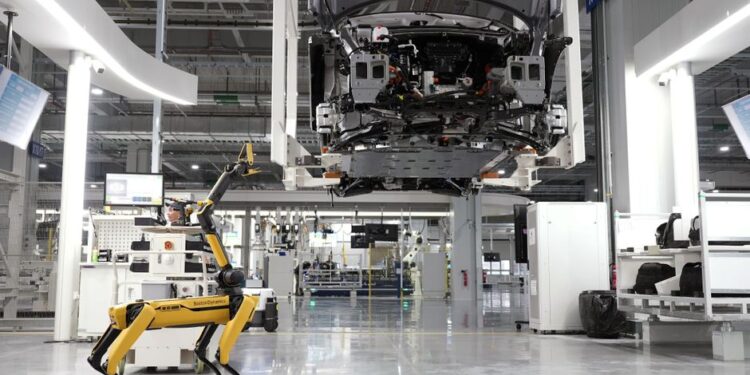
Jensen Huang and Mark Zuckerberg advocate for a market-driven approach to AI safety, arguing that innovation and safety can coexist without regulatory slowdowns.

AI safety has become a central topic in the tech industry, particularly as leaders like Jensen Huang of Nvidia and Mark Zuckerberg of Meta advocate for a market-driven approach. This stance contrasts sharply with calls from others in the industry, such as Sam Altman of OpenAI, for a slowdown in AI development due to safety concerns. The debate has intensified, with Huang asserting that market forces can effectively regulate AI advancements without the need for stringent new laws.
During a recent conference, Huang stated, “It’s a false choice” to believe that rapid development and safety cannot coexist. He emphasized that companies should continue innovating while also pausing to evaluate the safety of their products. Zuckerberg echoed this sentiment, highlighting that the commercial incentives within the industry would naturally encourage companies to prioritize safety measures. This perspective is gaining traction as both leaders have been appointed to a new White House advisory council aimed at shaping tech policy, which underscores their influence in the ongoing discussions about AI regulation (Fortune, 2026).
The Shift Towards Market-Driven AI Safety
The push for market-driven AI safety reflects a significant shift in how technology companies view regulation. Huang and Zuckerberg argue that the competitive landscape will compel AI firms to adopt safety protocols to avoid liability and maintain consumer trust. This perspective aligns with findings from various industry analyses, which suggest that companies investing in safety will gain a competitive edge. As noted in a report by Mint, this approach is not just about compliance; it is about leveraging safety as a market differentiator that can enhance brand reputation and consumer loyalty.
This trend could lead to a more dynamic research environment, where the development of AI technologies is closely tied to their safety and ethical implications.
You may also like
 AI & Technology
Global trade reshapes career capital and institutional power
This analysis dissects the mechanisms, systemic fallout, and emerging talent pathways that will define the next three to five years.
Read More →Recent discussions have highlighted how this approach could reshape research funding in AI. With a focus on aligning safety protocols with market demands, researchers may find new opportunities for funding projects that demonstrate clear commercial viability. This trend could lead to a more dynamic research environment, where the development of AI technologies is closely tied to their safety and ethical implications. Moreover, as AI technologies become more integrated into everyday life, the expectation for transparency and accountability will likely increase, pushing companies to innovate responsibly.
Furthermore, the emphasis on market forces raises questions about the role of regulatory bodies. As companies like Meta and Nvidia advocate for self-regulation, the challenge for policymakers will be to ensure that safety standards are met without stifling innovation. This balancing act will require careful consideration of how to integrate market incentives with effective oversight. Huang and Zuckerberg’s advocacy for a self-regulated approach suggests a belief that the market can self-correct when it comes to safety, but critics warn that this could lead to complacency and insufficient safeguards in high-stakes applications like healthcare and autonomous vehicles.
Career Ahead analysis finds that this shift towards market-driven safety measures could create a new landscape for AI researchers. Those who can adapt their work to align with industry standards and expectations may find themselves at the forefront of funding opportunities and collaborative projects. As AI safety becomes increasingly intertwined with market dynamics, researchers will need to stay informed about industry trends and regulatory developments. The evolving nature of AI technologies means that researchers must not only focus on technical advancements but also consider the ethical implications of their work.
Regulatory Considerations for Tech Policy Analysts
The evolving landscape of AI safety presents unique challenges and opportunities for tech policy analysts. With industry leaders advocating for a market-centric approach, analysts must navigate a complex environment where traditional regulatory frameworks may not apply. The focus on self-regulation raises critical questions about accountability and transparency in AI development. Analysts will need to advocate for policies that ensure robust safety standards while considering the industry’s desire for flexibility.
You may also like
 AI & Technology
AI Safety Must Match Rapid Capability Growth
OpenAI CEO Sam Altman emphasizes the urgent need for evolving safety measures in AI development as capabilities expand, highlighting the importance of aligning AI systems…
Read More →As Huang and Zuckerberg promote the idea that market forces can effectively manage AI risks, tech policy analysts must assess the implications of this perspective. There is a growing concern that relying solely on market incentives could lead to inadequate safety measures, particularly in high-stakes applications such as healthcare and autonomous vehicles. Analysts will need to develop frameworks that incorporate both market dynamics and regulatory oversight. This may involve proposing new models for collaboration between private companies and government agencies to foster innovation while maintaining public safety.
With industry leaders advocating for a market-centric approach, analysts must navigate a complex environment where traditional regulatory frameworks may not apply.

Moreover, the emphasis on market-driven safety could lead to new regulatory considerations. Analysts may need to explore how existing laws apply to AI technologies and whether new regulations are necessary to address emerging risks. This evolving landscape will require ongoing research and analysis to ensure that policies remain relevant and effective. As highlighted by Politico, the appointment of tech leaders to advisory roles indicates a shift in how policymakers view the intersection of technology and regulation, emphasizing the need for a collaborative approach.
In light of these developments, tech policy analysts must also consider the potential for international collaboration. As AI technologies transcend borders, there will be a need for global standards and agreements that address safety concerns. Analysts who can navigate these complex international dynamics will be well-positioned to influence policy discussions and drive meaningful change. The challenge will be to create frameworks that not only address domestic concerns but also align with international standards, ensuring that AI safety is prioritized globally.
The implications of market-driven AI safety extend beyond regulatory frameworks and policy analysis; they significantly impact the work of AI researchers. As the industry shifts towards a model that prioritizes safety alongside innovation, researchers will need to adapt their approaches to align with these new expectations. For instance, researchers may find themselves increasingly focused on developing technologies that not only advance AI capabilities but also address safety concerns. This could lead to a surge in research aimed at creating AI systems that are transparent, explainable, and aligned with human values. As companies like Meta and Nvidia emphasize the importance of alignment, researchers who can demonstrate expertise in these areas may attract more funding and collaboration opportunities.
As the landscape of AI safety continues to evolve, researchers will need to stay agile and responsive to industry trends. The ability to anticipate market demands and align research efforts with safety protocols will be crucial for success in this new environment. The future of AI safety will likely be shaped by those who can navigate the intersection of innovation and responsibility, ensuring that advancements in technology do not come at the expense of public trust and safety.
You may also like
 AI & Technology
Data‑Driven Raise Negotiations Redefine Career Capital
Aiming for a 6%–17% increase positions the request well above the 3.1% average merit increase.
Read More →