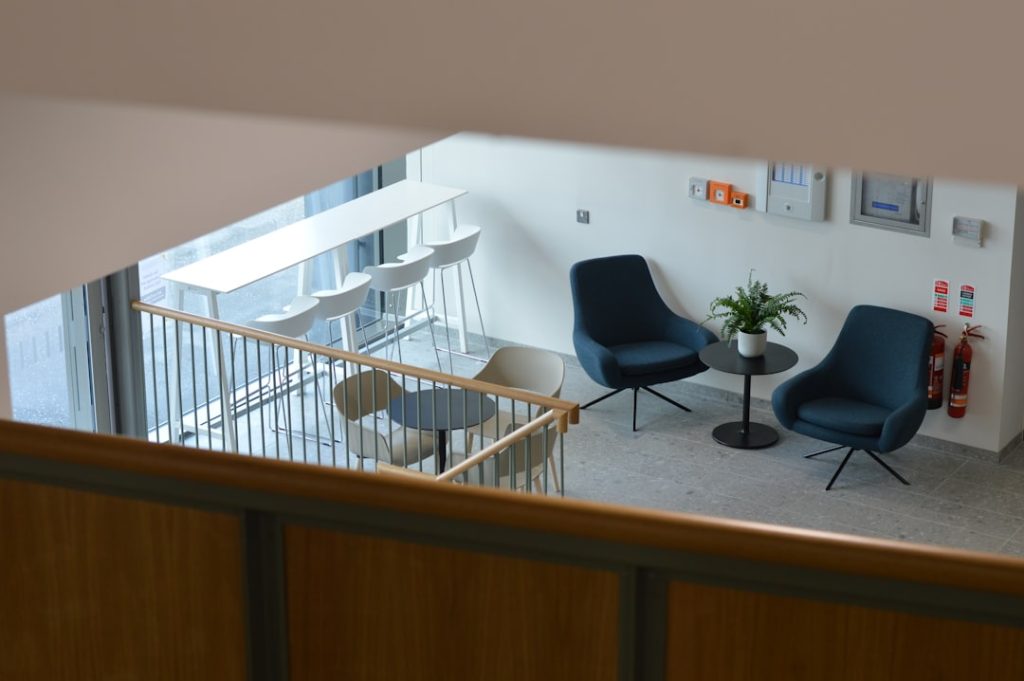
Nottingham, England — Proici Commercial Interiors is reshaping the traditional office environment by integrating nature into workspace design. This innovative approach, known as biophilic design, aims to enhance employee productivity and well-being through natural elements.
As companies increasingly recognize the link between mental health and productivity, Proici’s initiatives are timely. The World Health Organization has noted that depression and anxiety cost the global economy approximately $1 trillion annually in lost productivity. By fostering environments that support mental well-being, businesses can mitigate these losses and cultivate a more engaged workforce.

Biophilic design incorporates natural light, plants, and organic materials into office spaces. Proici’s recent projects demonstrate how these elements can transform work environments. For instance, their design for a local tech firm features a living wall, which not only improves air quality but also creates a serene atmosphere that encourages creativity and collaboration.
Research supports the benefits of such designs. A 2021 study published in the Journal of Environmental Psychology revealed that workplaces with natural elements can increase employee productivity by up to 15%. Furthermore, exposure to nature has been linked to reduced stress levels and improved cognitive function, making it a compelling strategy for companies aiming to enhance their work culture.
This is particularly relevant as organizations navigate the challenges of hybrid work models, where employee well-being must be prioritized to retain talent.
Proici’s approach is not just about aesthetics; it reflects a growing understanding of how the physical workspace influences mental health. According to a report by the American Psychological Association, employees who work in environments with access to natural elements report higher job satisfaction and lower levels of burnout. This is particularly relevant as organizations navigate the challenges of hybrid work models, where employee well-being must be prioritized to retain talent.
Critics of biophilic design argue that its implementation can be costly and complex. However, Proici advocates for scalable solutions that can fit various budgets. Simple changes, such as introducing plants or maximizing natural light through window placements, can yield significant improvements without extensive renovations.
Looking ahead, the demand for biophilic design is expected to grow. According to the Global Wellness Institute, the wellness real estate market, which includes biophilic principles, is projected to reach $198 billion by 2025. This surge indicates a shift in how businesses view their workspaces—not merely as places to conduct transactions but as environments that nurture employee well-being and productivity.
As organizations adapt to the post-pandemic landscape, integrating nature into office design may become a standard practice rather than an exception. The challenge will be to balance cost-effectiveness with the need for environments that promote mental health. Companies that embrace this shift may not only enhance their productivity but also position themselves as leaders in workplace innovation.
 Future Skills & Work
Axis Bank and IIM Bangalore Agree to Set up Economics Centre
The centre’s teaching will combine quantitative and computational learning with data analysis and empirical research.
Read More →This surge indicates a shift in how businesses view their workspaces—not merely as places to conduct transactions but as environments that nurture employee well-being and productivity.
This evolution in office design underscores a broader trend towards prioritizing mental health in the workplace. As more businesses recognize the importance of creating supportive environments, the future of work could be defined by spaces that not only accommodate employees but also inspire and rejuvenate them.
Written by Career Ahead AI. AI can make mistakes, so verify key facts. Report errors to support@careeraheadonline.com.