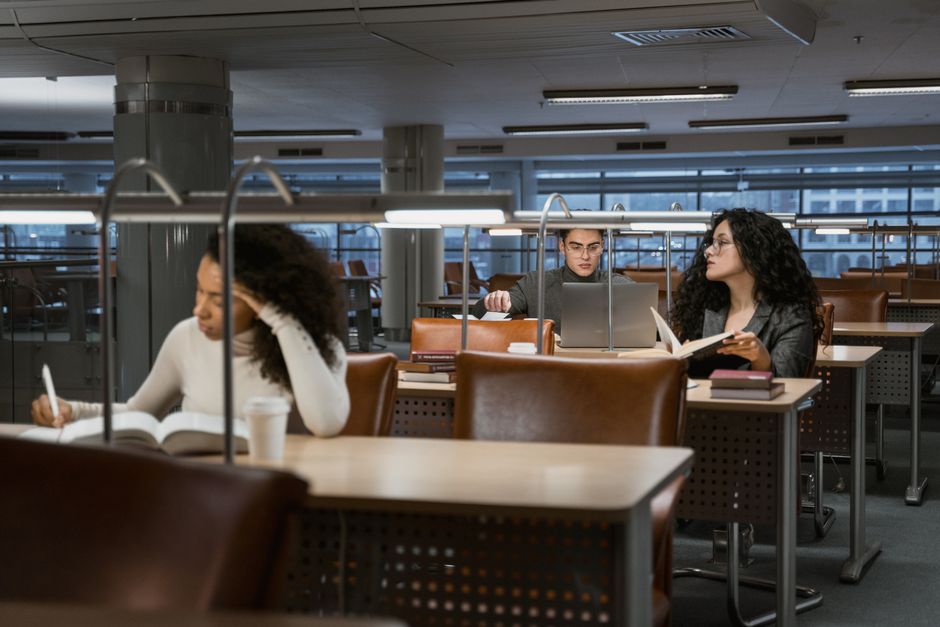
Brazilian students are increasingly seeking study abroad opportunities, with 70% of surveyed students intending to study abroad, according to a June 2026 survey analysis by the Brazilian Educational & Language Travel Association (BELTA). The survey, conducted online from February to April 2026, included over 2,200 students from across Brazil and representatives from 74 education agencies. Local agencies reported a 9.5% average growth in student placements from 2024 to 2025, and nearly 73% of agents expect continued growth through 2026.
Student Intent and Program Preferences
The June 2026 BELTA survey analysis revealed that 70% of surveyed students intend to study abroad, with about 4 in 10 planning to go in the first or second semester of 2027, and another 3 in 10 aiming for 2028 or later. Nearly half (49.3%) of surveyed students opt for exchange programs lasting three months or less, while 26% choose exchanges of four to seven months, and 24% stay abroad for more than eight months. Language learning is the preferred focus for 46% of respondents, with English the top language for study at 68%, followed by Spanish, Portuguese, French, and German.¹²³
Among students, 26% specifically favor language programs that allow for temporary work. The main channel for researching study abroad options is Instagram, used by 24% of students, while 15% turn first to agents and 9% to education fairs as in-person resources. Additionally, 85% of surveyed Brazilian students had already had at least one international education-related experience, indicating a growing familiarity with global learning opportunities.¹²³
Additionally, 85% of surveyed Brazilian students had already had at least one international education-related experience, indicating a growing familiarity with global learning opportunities.¹²³
Agency Growth and Market Outlook
Local education agencies reported a 9.5% average growth in student placements from 2024 to 2025, with more than half of agents (53%) saying they sent more students abroad in 2025 than in 2024, and 17% sending about the same number. Looking ahead, nearly 73% of agents expect continued growth through 2026, while 17% expect to send the same number and 10% expect fewer. BELTA President Alexandre Argenta said the Brazilian market is remaining strong and mature, with higher education programmes looking like the programmes with more increasing figures than before.¹²³
 Education & University Insights
How to Weigh Study Abroad’s Personal Value Against Its Cost
Separate personal motivations from institution-level payments before treating study abroad as a simple cost-versus-career calculation.
Read More →
Cost Perceptions and Realities
A key barrier to study abroad demand is a misconception about costs. Mauricio Segura of GlobalCamps, which works with approximately 150–200 schools across Brazil, said there is a conception that studying abroad costs USD $80,000 per year. However, actual costs are significantly lower. Isabel Baptista Zillig of Shorelight, which works with university partners predominantly in the US, reported that Brazilian students at partner universities paid average annual tuition of approximately US$19,000 in 2026, with the annual total including living costs, insurance, and meal plans at around USD $35,000–40,000.¹²³
Zillig also noted that students don't feel ready to go alone and need a lot of information and support. This information gap is reflected in student preferences for agencies: 22% of students look for an agency that helps them find trustworthy study abroad experiences, 16% value agents being easy to contact, and 11% value agents being compatible with their budget. Additionally, 21.6% of Brazilian applicants prioritize brand trust when selecting an agency.¹²³
School Networks and Destination Shifts
Within Brazil's education sector, school networks are seeing notable trends. Inspired's 12 schools in Brazil educate close to 8,000 pupils, and Paulo Moraes, associated with the network, estimated that approximately 15% of the current graduating cohort of around 250 students annually choose to study abroad. Moraes said Europe and Canada now account for the majority of interest within his school network, contrasting with the stronger pull of the US seven or eight years ago. He also noted that many of his students have a dual passport.¹²³
The Brazilian real remained 5% stronger in the first half of 2026 compared to 2025 averages, which may make studying abroad more affordable for Brazilian families. Additionally, the economic impact of the Middle East conflict on Brazil includes increasing crude oil exports, especially to China and India, which could support the broader economy and, in turn, family budgets for education.¹²³
Check Real Costs Before You Rule Out Study Abroad
 Education & University Insights
Australia’s Study Appeal Falls as UK and US Gain
Only twenty-four per cent of prospective international students chose Australia as their first-choice destination.
Read More →If you are a student or parent assuming study abroad costs USD $80,000 a year, that figure is a misconception. Actual average tuition at US partner universities was about US$19,000 in 2026, with total annual costs including living, insurance, and meals around US$35,000–40,000. Before dismissing a program as unaffordable, ask for a detailed cost breakdown. The Brazilian real was also 5% stronger in the first half of 2026 than in 2025, which makes overseas study more affordable for Brazilian families right now.¹²³
School Networks and Destination Shifts Within Brazil's education sector, school networks are seeing notable trends.
For career planners and educators, the demand shift matters. Europe and Canada now attract the majority of interest in one school network, while the US has lost its former pull. With 70% of surveyed students intending to study abroad and agents reporting 9.5% average growth in placements, advising and support roles are expanding. Students prioritize agencies that offer trustworthy experiences (22%) and easy contact (16%). If you work in education or recruitment, building expertise in European and Canadian pathways, and in short language programs that allow temporary work, positions you for this growing market.¹²³
Sources
- trade.gov — https://www.trade.gov/market-intelligence/brazil-education-study-abroad
- icef.com — https://monitor.icef.com/2026/06/brazil-new-surveys-show-strong-but-price-sensitive-demand-for-study-abroad/
- thepienews.com — https://thepienews.com/brazils-study-abroad-ambitions-widen-but-information-gap-holds-back-demand/
Written by Career Ahead AI. AI can make mistakes, so verify key facts. Report errors to support@careeraheadonline.com