India has proposed a skill gap study and a vocational skills competition at the BRICS Technical and Vocational Education and Training (TVET) Cooperation Alliance meeting. This important event took place in New Delhi. Representatives from member nations discussed ways to improve workforce development across BRICS countries. The proposal includes a collection of best practices in vocational education. It aims to address workforce shortages and emerging job needs in the region.
The BRICS meeting was organized by the National Skill Development Corporation (NSDC) under the Ministry of Skill Development and Entrepreneurship (MSDE). MSDE Secretary Debashree Mukherjee stressed the need for deeper cooperation among BRICS nations. This includes sharing labor market intelligence and conducting joint research. Such collaboration is vital as countries face challenges from rapid technological changes and shifting job markets. The symposium also featured presentations on key skill development initiatives and panel discussions on green skills, financing, and the use of artificial intelligence, virtual reality, and augmented reality in vocational education.
Strengthening Workforce Development Across BRICS
India’s skill gap study is important. It aims to identify skill shortages and future job roles in BRICS nations. By understanding these gaps, policymakers can create targeted interventions to improve vocational training and education. The proposed skills competition will promote vocational excellence and standardize competency benchmarks among member countries. This initiative is expected to encourage healthy competition, innovation, and best practices in vocational education. A report by the Economic Times states that these initiatives are crucial for addressing the skills mismatch many BRICS nations face due to rapid technological change and evolving industry demands.
Career Ahead’s analysis shows that harmonizing competency standards through the skills competition could lead to a more unified approach to vocational training in BRICS nations. This could improve employability for young professionals and students, who often struggle to meet the demands of a changing job market. By aligning educational outcomes with industry needs, these initiatives may help bridge the skills gap and prepare graduates for the workforce. The World Bank has noted that countries with strong vocational training systems often have lower youth unemployment rates, highlighting the importance of these initiatives for economic stability and growth.
By aligning educational outcomes with industry needs, these initiatives may help bridge the skills gap and prepare graduates for the workforce.
 Future Skills & Work
Odisha’s Skill Initiative Shapes National Workforce Readiness
The Odisha government has signed multiple MoUs with strategic partners to enhance skill training, focusing on sectors like AI, robotics, and advanced manufacturing. This initiative…
Read More →Additionally, the compendium of best practices in vocational education will be a valuable resource for educators and policymakers. It will document successful strategies in areas like industry partnerships, financing, and digital learning tools. This knowledge-sharing framework can foster collaboration, allowing countries to learn from each other’s successes and challenges. Consequently, BRICS nations can enhance their vocational education systems and build a more skilled workforce. The compendium is expected to include case studies and examples of effective programs from each member country, providing a comprehensive overview of successful practices.
As the global economy evolves, the importance of vocational education is clear. The World Bank has pointed out that countries with strong vocational training systems tend to have lower youth unemployment rates. By investing in skill development initiatives, BRICS nations can address current workforce shortages and prepare for future economic challenges. These proposed initiatives could play a vital role in driving growth and development across the region. Furthermore, the BRICS nations can leverage their diverse economies and educational systems to create a more adaptable workforce that meets future demands.
Implications for Vocational Educators and Policymakers
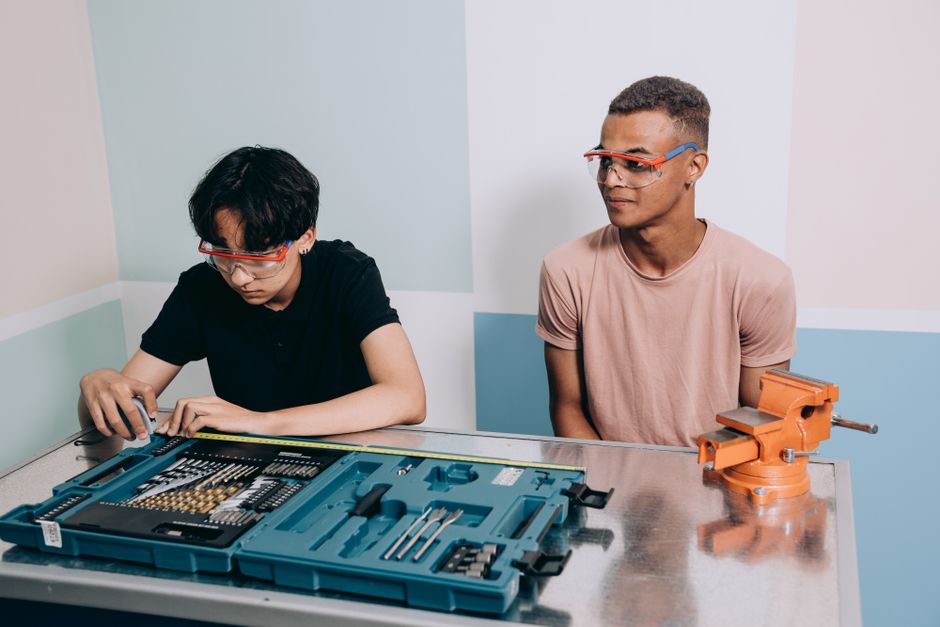
The proposed BRICS initiatives have significant implications for vocational education instructors and policymakers. For educators, the focus on standardized competency benchmarks means they must adapt their teaching methods and curricula. This may involve adding more hands-on training and practical experiences to better prepare students for the job market. Integrating digital learning tools and technologies, like artificial intelligence and virtual reality, presents both challenges and opportunities. Educators who successfully incorporate these technologies will likely enhance student engagement and learning outcomes. However, they will need to invest time in professional development to keep up with these rapidly changing tools and methods.
For policymakers, the BRICS skill gap study will provide essential data to guide decisions on funding, resource allocation, and program development. By understanding the specific skills in demand, policymakers can prioritize investments in vocational education programs that address these needs. This data-driven approach can lead to more effective use of resources in the education sector. Collaboration among BRICS nations offers a unique chance for cross-border partnerships in vocational education. Policymakers can explore joint initiatives and exchanges that promote knowledge sharing and best practices. Such collaboration can improve the quality of vocational education and training in each member country, benefiting students and employers alike.
 Future Skills & Work
AI-Proof Skills Machines Can’t Replace
The report outlines specific tasks where AI usage is minimal, revealing a significant divide in how AI tools are applied.
Read More →The BRICS initiatives highlight the urgent need for a coordinated response to the challenges facing vocational education. By working together, member countries can create a more skilled and adaptable workforce, better equipped to meet future demands. The implications of these initiatives extend beyond vocational education. As the global economy shifts, responding to skill shortages and workforce demands will be crucial for economic resilience. The BRICS nations are well-positioned to leverage their collective strengths to tackle these challenges. Looking ahead, successful implementation of the proposed skill gap study and vocational skills competition could set a precedent for international collaboration in vocational education. The outcomes may reshape vocational training in BRICS countries and serve as a model for other regions facing similar challenges.
Educators who successfully incorporate these technologies will likely enhance student engagement and learning outcomes.

Frequently Asked Questions
How will the BRICS skill gap study affect vocational education instructors?
The BRICS skill gap study aims to identify specific skill shortages in member nations. This data will help instructors align their curricula with industry needs, ensuring students are better prepared for the job market.
What opportunities will the vocational skills competition create for policymakers?
The vocational skills competition will encourage collaboration among BRICS nations. Policymakers can share best practices and develop standardized competency benchmarks, leading to improved vocational education systems and better outcomes for students.
What should vocational education instructors do to prepare for the BRICS initiatives?
Instructors should familiarize themselves with the proposed competency standards and explore ways to integrate digital learning tools into their teaching. Continuous professional development will be essential to adapt to these changes.
Written by Career Ahead AI. AI can make mistakes, so verify key facts. Report errors to support@careeraheadonline.com.