New York, USA — Despite achieving top grades, many graduates face challenges securing employment. The disparity between academic excellence and workplace readiness is more pronounced than ever. Employers are increasingly seeking skills that traditional education does not fully develop.
The issue is multifaceted. Graduates often excel in theoretical knowledge but lack practical skills. A 2023 survey by the National Association of Colleges and Employers revealed that 88% of employers prioritize soft skills over hard skills when hiring recent graduates[1]. This creates a mismatch that leaves many job seekers at a disadvantage.
In today’s competitive job market, the implications are serious. Graduates who fail to meet employer expectations may face prolonged unemployment or underemployment. The World Economic Forum reports a significant skills gap in the workforce, estimating that by 2030, up to 85 million jobs could go unfilled due to a lack of skilled workers[2].
Understanding the Skills Gap Graduates often enter the workforce with impressive academic records, yet they struggle with critical thinking, communication, and problem-solving skills.
Understanding the Skills Gap
Graduates often enter the workforce with impressive academic records, yet they struggle with critical thinking, communication, and problem-solving skills. According to research by the McKinsey Global Institute, many higher education institutions focus on theoretical knowledge rather than practical application, leaving graduates ill-prepared for real-world challenges[3].
Moreover, employers frequently cite a lack of adaptability and teamwork among new hires. A 2024 LinkedIn report found that 57% of leaders believe that soft skills are more important than technical skills, underscoring the necessity for educational institutions to integrate these competencies into their curricula[4].
Remediation Checklist for Graduates
As the landscape evolves, graduates must take proactive steps to bridge the skills gap. Here’s a concise checklist for essential areas to focus on:
- Soft Skills: Develop emotional intelligence, communication, and interpersonal skills through group projects and networking opportunities.
- Portfolio Development: Create a professional portfolio showcasing projects, internships, and relevant work experiences.
- Problem-Solving Practice: Engage in case studies or simulations that require critical thinking and innovative solutions.
- Continuous Learning: Enroll in workshops or online courses that enhance both hard and soft skills.
- Networking: Attend industry events and connect with professionals to gain insights and opportunities.
By focusing on these areas, graduates can enhance their employability and better meet employer expectations.
 Education & University Insights
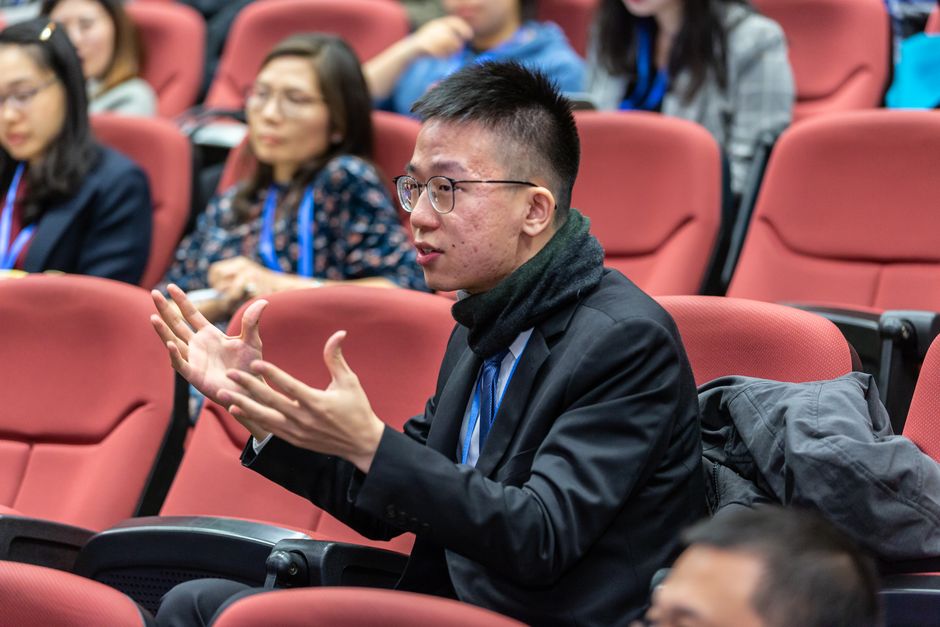
India’s Higher Education Agenda Puts Skills, Research and Faculty First
A panel framed the debate around India@2047, while a university chancellor said competitive research ecosystems can take 10–15 years to develop.
Read More →Looking Ahead
The demand for skilled labor will only increase as technology and industries evolve. Graduates must be adaptable and willing to learn continuously. Employers will increasingly value those who can demonstrate a blend of technical prowess and interpersonal skills. For educational institutions, the call to action is clear: integrate real-world skills into curricula to better prepare students for the workforce. In this fast-paced environment, the ability to pivot and learn will be the key differentiator for future success.
Written by Career Ahead AI. AI can make mistakes, so verify key facts. Report errors to support@careeraheadonline.com.