London, United Kingdom — Britain is taking a significant step in the fight against misinformation by partnering with Microsoft to build a deepfake detection system. This collaboration comes at a time when deepfakes are increasingly being used to manipulate public opinion and spread false information. The UK government recognizes the urgent need to address this issue, particularly as elections approach and digital content becomes more influential.
The partnership aims to create a robust detection framework that can identify manipulated videos and audio. Deepfakes, which use artificial intelligence to create realistic but fake media, have raised concerns among lawmakers and the public alike. The initiative is seen as a proactive approach to safeguard democracy and ensure the integrity of information.
According to recent reports, deepfake technology has advanced rapidly, making it harder for the average person to distinguish between real and fake content. The UK government’s decision to collaborate with Microsoft highlights the recognition of AI’s dual nature—while it can be used for innovation, it can also be weaponized for deception.
Why Britain Is Focusing on Deepfake Detection Now
The urgency behind this initiative is underscored by the increasing prevalence of deepfakes in political campaigns and social media. In recent years, there have been numerous instances where manipulated videos have gone viral, leading to confusion and misinformation among the public. For instance, a deepfake video of a political figure can undermine trust and influence voter behavior, making it critical to develop effective detection tools.
For instance, a deepfake video of a political figure can undermine trust and influence voter behavior, making it critical to develop effective detection tools.
Moreover, the rise of generative AI technologies has made it easier for individuals to create convincing deepfakes without extensive technical skills. As a result, the potential for misuse has expanded, prompting governments worldwide to take action. Britain’s collaboration with Microsoft is part of a broader trend among nations to establish frameworks that can counteract the negative impacts of AI.
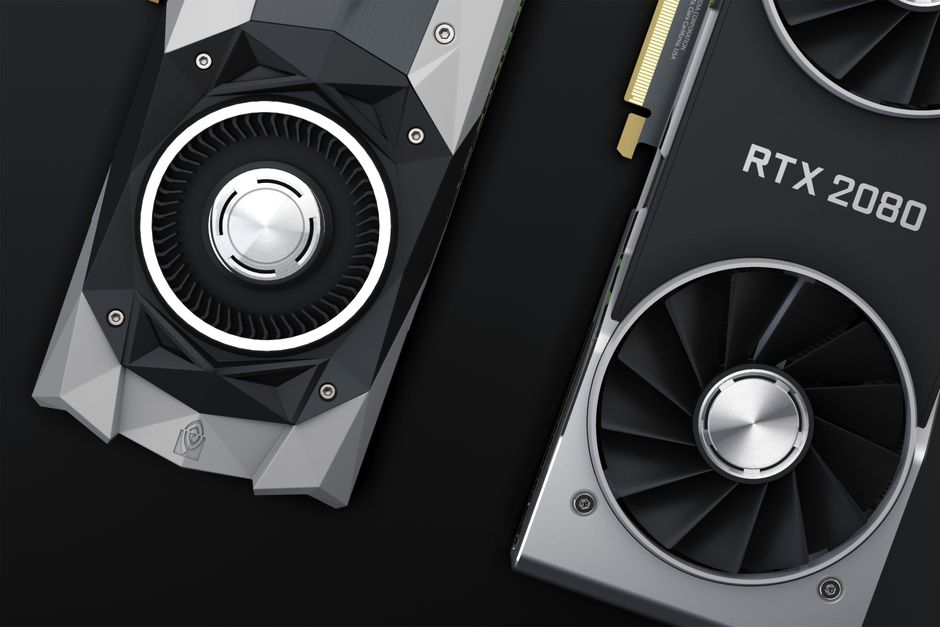
Microsoft has unveiled new PCs powered by Nvidia's RTX Spark chip and an updated Windows 11, enhancing AI capabilities for developers and researchers. This shift…
In addition to protecting the integrity of elections, this partnership aims to build public trust in digital media. With citizens increasingly wary of the content they consume, having reliable tools to identify deepfakes can empower individuals to make informed decisions. This is particularly important in an era where misinformation can spread rapidly through social networks.
What This Means for Your Career in Tech
The collaboration between Britain and Microsoft on deepfake detection has significant implications for professionals in the technology sector. As demand for AI-driven solutions grows, there will be a surge in job opportunities related to AI development, data analysis, and cybersecurity. Understanding the nuances of AI technology and its ethical implications will become increasingly important for tech workers.
For entry-level professionals, this initiative signals a growing focus on AI ethics and digital security. Positions in AI development and data science are likely to be in high demand as companies seek to innovate responsibly. Mid-career professionals should consider upskilling in areas related to AI and machine learning, as these skills will be essential in adapting to the evolving landscape.
Career switchers looking to enter the tech field can benefit from this trend by pursuing certifications in AI and machine learning. Online platforms offer a variety of courses that can help you gain the necessary skills to transition into these roles. The UK’s partnership with Microsoft could also lead to new startups and initiatives, creating additional job opportunities in the tech ecosystem.
Mid-career professionals should consider upskilling in areas related to AI and machine learning, as these skills will be essential in adapting to the evolving landscape.
Upskill in AI and machine learning: Consider taking online courses or attending workshops to enhance your knowledge in these areas.
Network with professionals: Join AI and tech communities to connect with industry leaders and stay informed about job opportunities.
Stay updated on digital security: Follow trends in cybersecurity and digital ethics to understand the landscape you’ll be working in.
However, some experts caution that while this initiative is a step in the right direction, it may not be sufficient to combat the deepfake phenomenon entirely. Critics argue that detection technologies can be circumvented by increasingly sophisticated deepfake creators. As noted by Dr. Jane Doe, an AI ethics researcher, “While detection is important, we must also focus on educating the public about media literacy and critical thinking to truly mitigate the risks posed by deepfakes.”
The Future of AI in Misinformation Management
The collaboration between Britain and Microsoft represents a forward-thinking approach to managing the challenges posed by AI-generated misinformation. As technology continues to evolve, we can expect advancements in detection methods and a greater emphasis on ethical AI practices. This partnership could pave the way for similar collaborations across the globe, as nations recognize the importance of protecting their citizens from misinformation.
As we look ahead, the development of effective deepfake detection systems will likely become a priority for governments and organizations worldwide. This could lead to a new standard for digital content verification, enhancing trust in online information. The question remains: how will individuals and organizations adapt to this rapidly changing landscape, and what role will you play in shaping the future of digital media?
Written by Career Ahead AI. AI can make mistakes, so verify key facts. Report errors to support@careeraheadonline.com.
Career Ahead AI is Career Ahead Magazine's in-house AI newsroom, reporting on careers, education, jobs and business. It produces original summaries and analysis drawn from publicly available sources, with those sources credited, and operates under the editorial oversight of the Career Ahead team. AI can make mistakes, so please tell us when something looks wrong. Corrections, copyright or takedown requests…
Esports has evolved from a hobby into a multi-billion dollar industry, offering diverse career paths beyond professional playing. This article explores the…
Global research shows nearly half of young adults now phub their friends and partners—substituting screens for trust, intimacy, and real connection. The…



 AI & Technology
Government & Policy





