
New Delhi, India — The recent budget announcement has introduced significant changes to the tax structure for foreign tour packages. The tax collected at source (TCS) for these packages has been reduced to a uniform 2%. This move is aimed at making travel more affordable for Indian citizens and stimulating growth in the tourism sector.
The decision to lower the TCS rate is particularly relevant in the context of the ongoing recovery from the pandemic, where travel has seen a substantial decline. By standardizing the TCS at 2%, the government aims to simplify the tax process for travelers. Previously, the TCS varied based on the nature of the expenses incurred abroad, which often led to confusion and additional costs for travelers.
According to the finance ministry, this change is expected to benefit a large number of Indian travelers planning trips abroad. With the rise in international travel, especially post-pandemic, the government recognizes the need to support citizens in their travel endeavors. This uniform TCS rate will not only reduce the financial burden on travelers but is also expected to encourage more people to explore international destinations.
Impact on Travelers and the Tourism Sector
With the new TCS rate, travelers will see a direct impact on their travel expenses. For example, if a traveler plans a trip costing ₹1,00,000, the TCS previously could have been as high as 5%, resulting in a tax of ₹5,000. Under the new structure, this tax is reduced to ₹2,000, making travel more financially accessible.
This reduction in tax is expected to boost the tourism sector significantly. Analysts suggest that as travel becomes more affordable, more Indians will consider international trips, leading to an increase in demand for travel packages. This could result in a surge in business for travel agencies and related services.
This clarity is crucial as it eliminates the need for travelers to calculate varying tax rates based on their travel expenses.
Moreover, the uniform TCS rate simplifies the tax compliance process for both travelers and travel companies. This clarity is crucial as it eliminates the need for travelers to calculate varying tax rates based on their travel expenses. Travel agencies can now provide clearer pricing, which enhances customer trust and satisfaction.
Additionally, the budget has also proposed lowering the TCS rate on expenses incurred for education and medical treatment abroad under the liberalized remittance scheme. This is a significant move for students and patients seeking opportunities or treatments outside India. By lowering these rates, the government is acknowledging the financial challenges faced by individuals seeking education or healthcare abroad.
What This Means for Travel Agencies and Tour Operators
Travel agencies and tour operators stand to benefit greatly from the new TCS structure. With a clearer tax framework, they can plan their offerings more effectively. Competitive pricing will likely attract more customers looking for international travel packages.
Moreover, the tourism sector can expect a rebound as more Indians feel encouraged to travel abroad. This could lead to an influx of business for airlines, hotels, and local tour operators in international destinations. The overall growth in international travel could also foster better bilateral relations between India and other nations, as increased tourism often leads to enhanced cultural exchange.
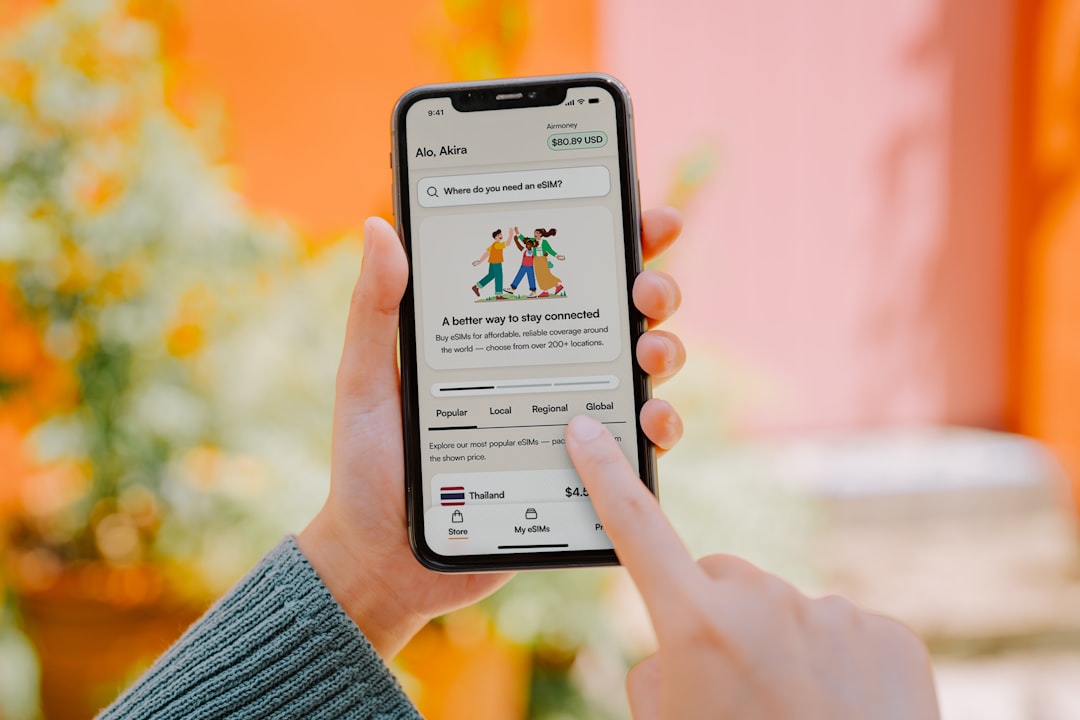
However, travel agencies must also prepare for a potential increase in demand. They should consider expanding their offerings and improving customer service to handle the anticipated growth. Additionally, digital marketing strategies will become crucial to reach a wider audience and attract travelers looking for the best deals.
- Enhance Online Presence: Agencies should invest in their websites and digital marketing to attract more customers.
- Offer Competitive Packages: Create attractive travel packages that highlight the benefits of the new TCS rate.
- Focus on Customer Service: Ensure that staff are well-trained to assist customers with travel queries and bookings.
However, some experts caution that while the reduced TCS may stimulate travel, it could also lead to a temporary surge in demand that might overwhelm the sector. According to a report by the World Travel and Tourism Council, the industry must prepare for fluctuations in demand and ensure that service quality remains high to maintain customer satisfaction.
With a clearer tax framework, they can plan their offerings more effectively.
The Future of International Travel for Indians
Looking ahead, the new TCS structure may herald a new era of international travel for Indian citizens. With travel becoming more accessible, it is likely that we will see a significant increase in the number of Indians exploring international destinations. This shift could redefine travel trends and preferences among Indian travelers.
As the world continues to recover from the pandemic, the tourism sector’s resilience and adaptability will be tested. Agencies that can innovate and respond to changing traveler needs will thrive in this evolving landscape. The government’s support through reduced TCS rates is a step towards fostering a robust travel culture in India.
Ultimately, the question remains: how will travelers respond to these changes, and will we see a lasting increase in international travel among Indians in the coming years?
Written by Career Ahead AI. AI can make mistakes, so verify key facts. Report errors to support@careeraheadonline.com.