No products in the cart.

Building Bridges: The Role of Global Education Exchange in Promoting Peace
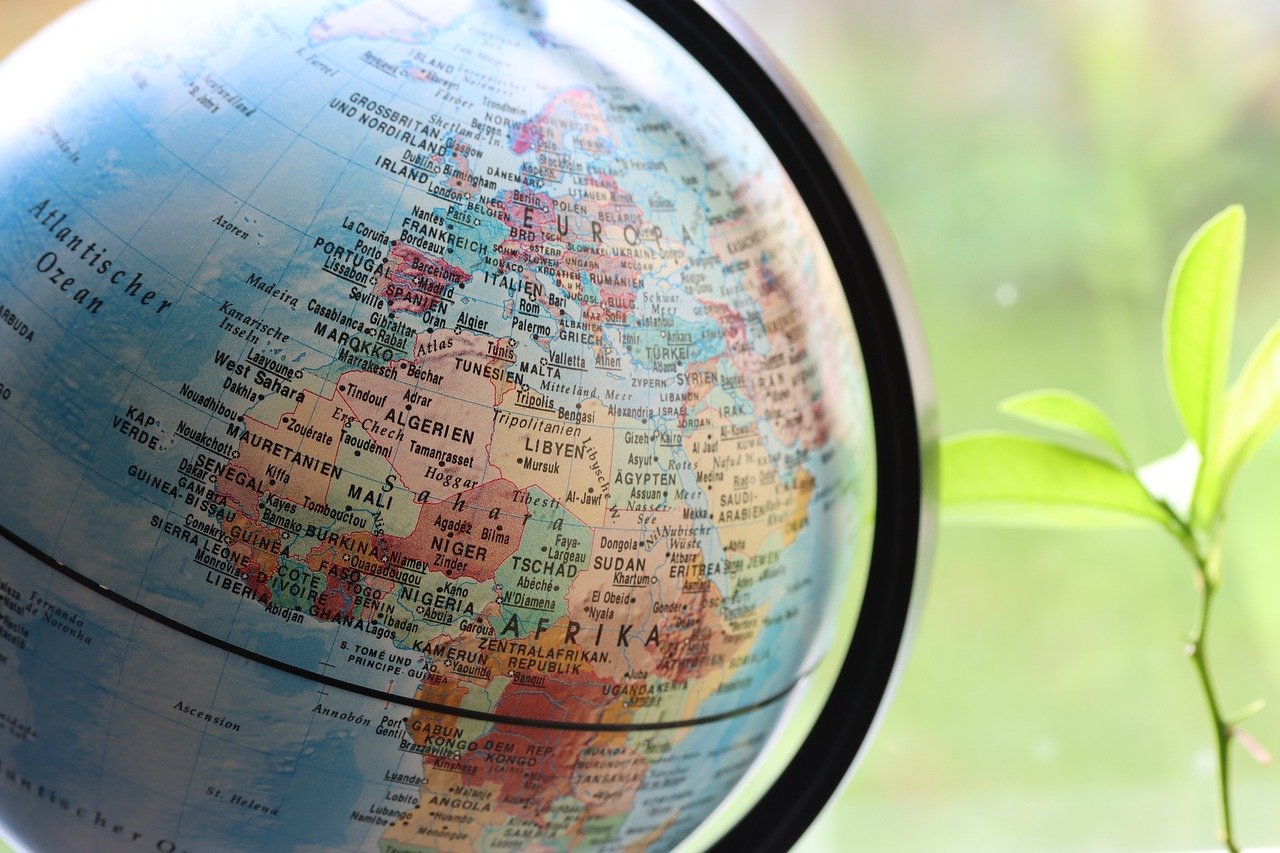
Global education exchange programs are fostering peace and understanding through student-led diplomacy. Explore their impact on international relations.

Washington, D.C. — In an era marked by geopolitical tensions and cultural divides, educational exchange programs are emerging as powerful tools for diplomacy. These initiatives, which facilitate cross-border learning experiences, are not just about academics; they are about building relationships and fostering understanding among future leaders.
The urgency of this mission is underscored by the growing number of international conflicts and the need for collaborative solutions. As of 2023, UNESCO reported that over 5 million students participated in global mobility programs, highlighting a significant trend towards international education as a means of promoting peace and cooperation.
These exchange programs, often student-led, create opportunities for young people to engage with diverse cultures and perspectives. They serve as platforms for dialogue, encouraging students to address global challenges collaboratively. In a world where misinformation and isolationism can reign, these experiences cultivate empathy and critical thinking, essential skills for future leaders.
Context and Background
The concept of educational exchange is not new. Since the mid-20th century, programs like the Fulbright Program, established in 1946, have aimed to increase mutual understanding between nations through educational and cultural exchanges. More recently, initiatives such as the Erasmus+ program in Europe and the U.S. Department of State’s International Visitor Leadership Program have expanded access to global education.
 Digital Innovation
LG Unveils ‘Aerominum’ for Next-Gen Ultralight Laptops
LG has announced its new ultralight Gram laptops featuring a proprietary material called 'Aerominum', designed for enhanced portability and durability.
Read More →In a world where misinformation and isolationism can reign, these experiences cultivate empathy and critical thinking, essential skills for future leaders.
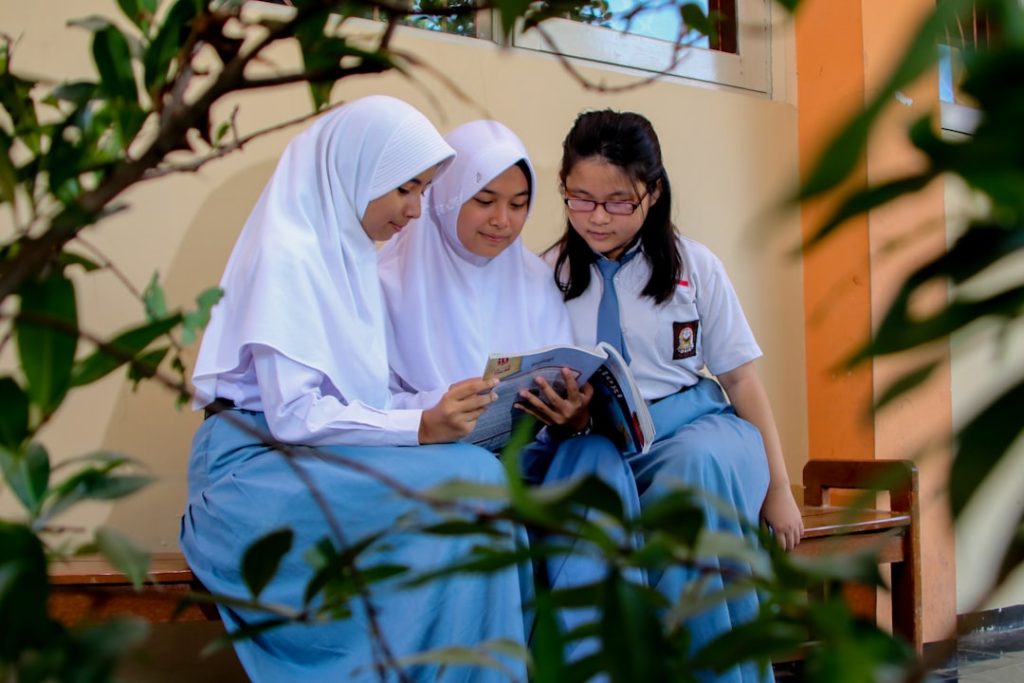
According to the Institute of International Education, nearly 1 million international students were enrolled in U.S. colleges and universities in the 2021-2022 academic year, reflecting a robust commitment to fostering international collaboration through education. These students not only gain academic knowledge but also develop intercultural competencies that are vital in today’s interconnected world.
Analysis: Perspectives on Educational Exchanges
Supporters of global education exchanges argue that these programs are crucial for peacebuilding. They point to studies indicating that individuals who participate in such exchanges are more likely to engage in international cooperation and diplomacy later in life. A report from the British Council noted that 83% of alumni from exchange programs believe their experiences helped them understand other cultures better, which is essential in a globalized society.
However, critics raise concerns about accessibility and equity. While many programs exist, they often cater to students from privileged backgrounds, leaving marginalized groups without opportunities for international engagement. The U.S. Department of Education has recognized this gap and is working to expand access through scholarships and targeted outreach, yet challenges remain.
 Health And Wellbeing
Digital Detox Retreats: The Future of Wellness Tourism
Digital detox retreats are gaining popularity as a response to screen fatigue. Discover their importance and impact on wellness tourism.
Read More →Moreover, the COVID-19 pandemic significantly disrupted international education, with many programs halted or adapted to virtual formats. This has led to a renewed focus on how to make exchanges more resilient and inclusive in the future. As institutions adapt, there is a growing emphasis on integrating technology to facilitate virtual exchanges, allowing broader participation regardless of geographical or financial barriers.

Educational exchanges can play a pivotal role in equipping young leaders with the skills needed to address these challenges.
Looking Ahead: The Future of Global Education Exchange
The future of educational exchange programs hinges on their ability to adapt to changing global dynamics. As the world grapples with climate change, political instability, and health crises, the need for collaborative solutions is more pressing than ever. Educational exchanges can play a pivotal role in equipping young leaders with the skills needed to address these challenges.
Innovative partnerships between educational institutions, governments, and NGOs are emerging, aimed at creating sustainable exchange programs that prioritize equity and accessibility. For instance, the Global Education Movement, launched in 2022, seeks to connect students from conflict zones with peers in stable regions to foster understanding and collaboration.
 Artificial Intelligence
Japan’s Nikkei Surges as Yen Weakens and AI Optimism Grows
Japan's Nikkei index has surged on the back of a weaker yen and renewed optimism in AI investments. Explore the…
Read More →As we look to the future, the potential for educational exchanges to contribute to global peace and understanding is immense. By investing in these programs, we are not just enriching individual lives; we are laying the groundwork for a more peaceful and interconnected world. The question remains: how can we ensure that these opportunities are available to all students, regardless of their circumstances? The answer may lie in our collective commitment to fostering a culture of inclusivity and global citizenship.