
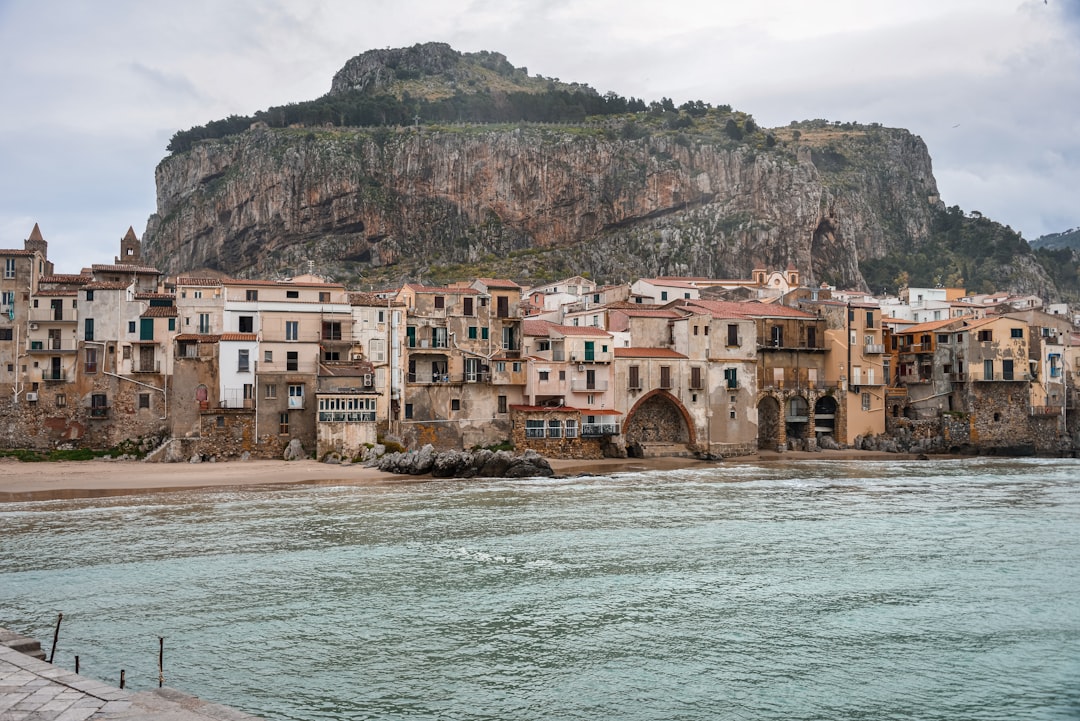
Palermo, Italy — Italy’s government has declared a state of emergency following a devastating storm that has wreaked havoc in Sicily, leading to damages estimated at €1.5 billion. The storm, which struck the southern region with unprecedented force, has prompted the Italian authorities to unlock €100 million in immediate funds to assist in repair and recovery efforts. This situation highlights the urgent need for effective disaster response strategies in the face of increasingly severe weather events.
The storm has not only caused extensive physical damage but has also disrupted the lives of thousands of residents. Homes, businesses, and infrastructure have been severely affected, with reports indicating that many areas remain without power and access to basic services. The Italian government’s swift declaration of a state of emergency is a crucial step in mobilizing resources and support for the affected communities.
As Sicily grapples with the aftermath of this disaster, the implications for local economies are profound. The €1.5 billion in damages represents a significant financial burden on the region, which is already facing economic challenges. The infusion of €100 million in emergency funds is a necessary measure, but experts warn that it may not be sufficient to cover the extensive repairs needed. Local businesses, particularly in tourism and agriculture, are likely to feel the impact for years to come.
Assessing the Immediate Impact on Sicilian Communities
The immediate effects of the storm are evident across Sicily. Many residents are dealing with the loss of their homes and livelihoods. Reports indicate that the agricultural sector, a vital part of Sicily’s economy, has been hit hard, with crops destroyed and farmland rendered unusable. This disruption could lead to food supply shortages and increased prices in the coming months.
Local businesses, particularly in tourism and agriculture, are likely to feel the impact for years to come.
Moreover, the tourism industry, which significantly contributes to the region’s economy, faces uncertainty. With many attractions damaged or inaccessible, there is concern that visitor numbers will decline, further straining local businesses. The government’s emergency funds will be critical in initiating recovery efforts, but the long-term economic implications remain to be seen.
In addition to financial aid, there is a pressing need for a comprehensive recovery plan that addresses the long-term resilience of Sicilian communities. Experts emphasize that rebuilding should not only focus on repairing physical structures but also on enhancing the region’s capacity to withstand future storms. This includes investing in infrastructure improvements and developing sustainable practices that can mitigate the effects of climate change.
Long-Term Recovery: Strategies for Resilience
 Government & Policy
South Africa’s Reserve Bank Surveys Firms to Guide Rate Policy
The Reserve Bank of South Africa has initiated surveys among firms to gather data that will inform its interest rate policy. This proactive approach aims…
Read More →As Sicily begins the arduous process of recovery, several strategies can help ensure that communities emerge stronger from this disaster. First, there is a need for a coordinated response involving local governments, non-profits, and community organizations. This collaboration can facilitate resource sharing and streamline recovery efforts.
- Community Engagement: Involve local residents in planning and decision-making processes. Their insights are invaluable in creating effective recovery strategies.
- Invest in Infrastructure: Prioritize rebuilding efforts that incorporate climate-resilient designs. This includes flood defenses and improved drainage systems to better handle future storms.
- Support Local Businesses: Provide financial assistance and resources to help local businesses recover and adapt to changing conditions. This can include grants, low-interest loans, and technical support.
While these strategies are essential for immediate recovery, they also lay the groundwork for a more resilient future. As communities rebuild, it is crucial to focus on sustainable practices that not only restore but also enhance the region’s economic stability.
However, some experts caution that the reliance on government aid may not be sustainable in the long run. According to a report by the European Centre for Disaster Recovery, without a shift toward proactive measures and community-driven initiatives, the region may find itself unprepared for future challenges. They argue that while immediate assistance is necessary, a long-term vision is essential for true resilience.
While these strategies are essential for immediate recovery, they also lay the groundwork for a more resilient future.
Preparing for Future Storms: Lessons Learned
The recent storm in Sicily serves as a stark reminder of the increasing frequency and intensity of extreme weather events. As climate change continues to impact weather patterns, it is vital for regions like Sicily to adopt proactive measures in disaster preparedness and response. This includes investing in early warning systems and community training programs that can enhance readiness for future emergencies.
Additionally, policymakers must prioritize environmental sustainability in rebuilding efforts. This means focusing on green infrastructure and practices that not only address immediate needs but also contribute to long-term ecological health. By doing so, Sicily can work towards a future that is not only more resilient but also more sustainable.
 Government & Policy
Cornell Prevails in DEI Hiring Lawsuit After Judge’s Finding
The judge resolved the case on the plaintiff’s plans, leaving DEI-based discrimination arguments unaddressed.
Read More →Ultimately, the recovery from this storm will test the resilience of Sicilian communities and the effectiveness of government response strategies. As the region begins to rebuild, stakeholders must remain vigilant and proactive in addressing both current needs and future challenges. Will Sicily emerge from this disaster with a renewed commitment to sustainability and resilience, or will it fall back into old patterns of vulnerability?
Written by Career Ahead AI. AI can make mistakes, so verify key facts. Report errors to support@careeraheadonline.com.