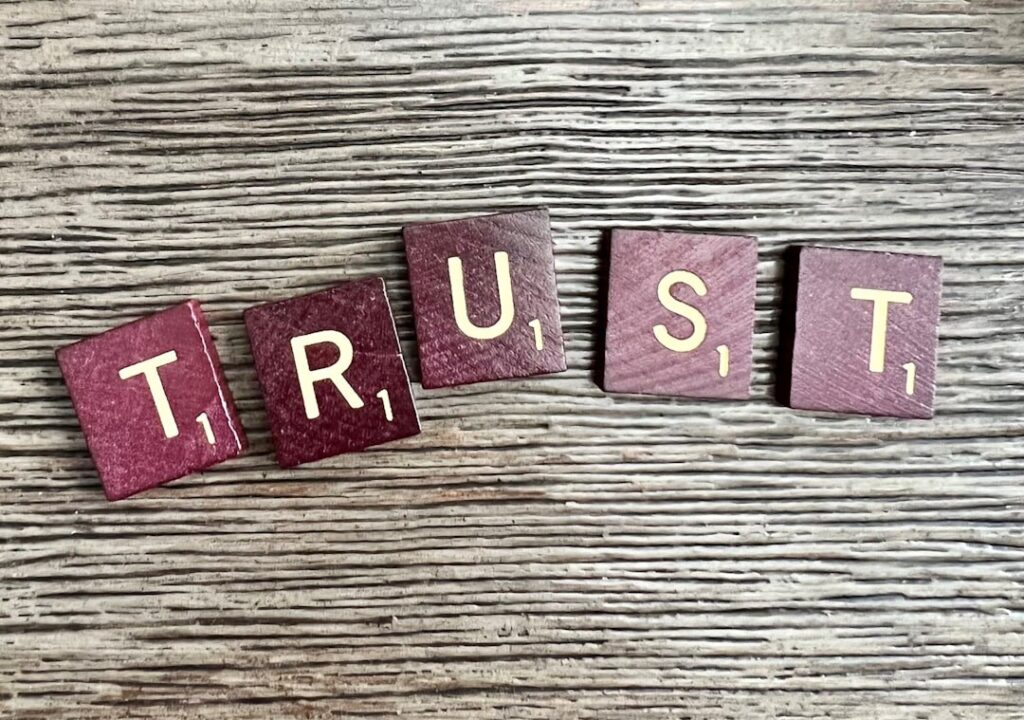
Building trust within teams is more crucial than ever in today’s fast-paced work environment. As organizations adapt to new challenges and remote work models, the need for strong, trusting relationships among team members has become a top priority. This article explores effective management strategies for fostering trust in teams, drawing insights from a recent piece on management tips.
According to a recent article from Harvard Business Review, trust is the foundation of effective teamwork. When team members trust each other, they communicate more openly, collaborate more effectively, and are more resilient in the face of challenges. This is particularly relevant as many organizations continue to navigate the complexities of hybrid and remote work environments.
In addition to the HBR insights, research from the Society for Human Resource Management (SHRM) emphasizes that trust is not just an emotional bond; it can significantly impact employee performance and retention. Organizations that prioritize trust-building initiatives often see improved morale, lower turnover rates, and higher levels of employee engagement.
Why Trust Matters in Modern Management
Trust is the cornerstone of any successful team. Without it, collaboration falters, communication breaks down, and productivity suffers. A study by SHRM highlights that organizations with high levels of trust among employees report a 50% increase in productivity. This statistic underscores the importance of fostering a culture of trust, especially in diverse teams where members may come from different backgrounds and experiences.
Why Trust Matters in Modern Management Trust is the cornerstone of any successful team.
Moreover, trust is often linked to enhanced innovation and the willingness to share ideas. When team members feel secure and supported, they may be more inclined to take calculated risks, which can be vital in industries where creativity and adaptability are key to staying competitive. Trust also facilitates constructive feedback, which is essential for continuous improvement within teams.
As organizations face ongoing changes, from technological advancements to shifts in workforce dynamics, the ability to build and maintain trust will be a critical skill for managers. The current landscape demands leaders who can not only guide their teams through uncertainty but also inspire confidence and loyalty.

How to Implement Trust-Building Strategies
 Entrepreneurship & Business
How to Test a Business Idea Before Building It
On day two, show your offer to 10 or 20 potential customers and ask for a response.
Read More →Implementing trust-building strategies requires a proactive approach. Here are some actionable steps that managers can take to foster trust within their teams:
- Encourage Open Communication: Create an environment where team members feel safe to express their thoughts and concerns. Regular check-ins and feedback sessions can facilitate this.
- Lead by Example: Demonstrate trustworthiness through consistent actions and transparent decision-making. When leaders model trust, team members are more likely to reciprocate.
- Recognize and Reward Trust-Building Behaviors: Acknowledge and celebrate instances where team members demonstrate trust and collaboration. This reinforces the importance of these values within the team.
According to news.google.com, organizations that actively promote trust-building initiatives see a noticeable improvement in employee engagement and retention. By prioritizing these strategies, you not only enhance team dynamics but also contribute to the overall success of your organization.

However, experts caution that building trust is not a one-time effort but an ongoing process. As noted by the Society for Human Resource Management, trust can be fragile and may take time to establish. Managers should be prepared for setbacks and remain committed to fostering a trustworthy environment.
By prioritizing these strategies, you not only enhance team dynamics but also contribute to the overall success of your organization.
The Future of Team Dynamics in a Remote World
The shift towards remote and hybrid work models is expected to continue influencing team dynamics. As organizations navigate this new landscape, the emphasis on trust will likely grow. Companies that cultivate trust within their teams may enhance collaboration and improve their ability to attract talent.
As we look ahead, the integration of technology could play a role in facilitating trust-building. Tools that promote transparency and communication may help bridge the gap between remote team members. Furthermore, as the workforce becomes increasingly diverse, understanding and respecting different perspectives will be important in maintaining trust.
 Entrepreneurship & Business
Europe Adds to Business Regulatory Burden, Speaker Says
The exchange covered deregulation, CBAM, an India-EU trade agreement and trade figures for India’s ties with the EU and the Netherlands.
Read More →In this evolving environment, how will you adapt your management strategies to foster trust and collaboration among your team members? The ability to build and maintain trust may very well determine your organization’s success in the years to come.
Written by Career Ahead AI. AI can make mistakes, so verify key facts. Report errors to support@careeraheadonline.com.