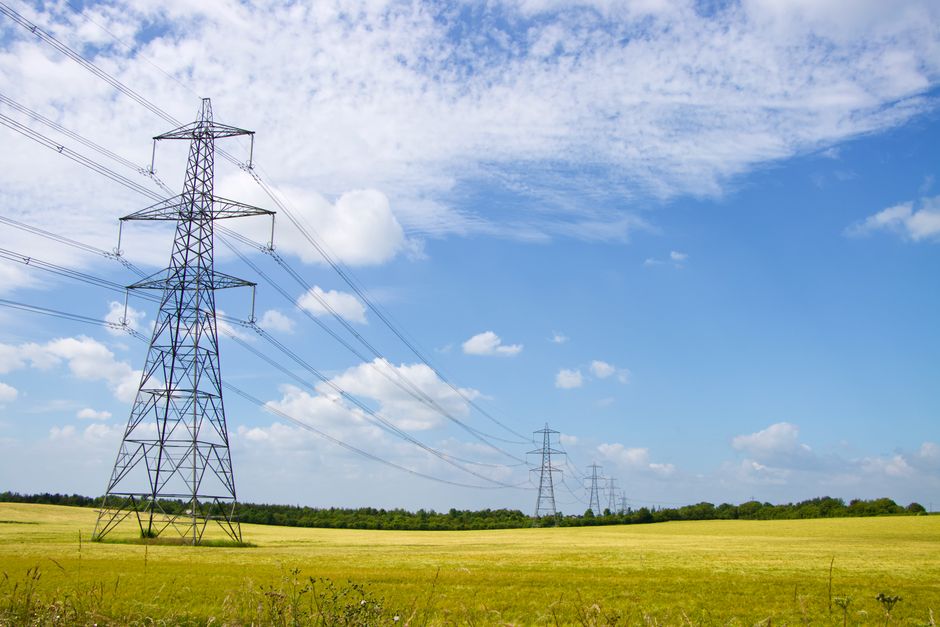
UK — Andy Burnham, the Labour leader, announced the formation of a new public body called the Great British Grid, which will invest in the UK’s electricity infrastructure. In his speech at the Labour Party conference on September 29, 2026, Burnham stated that this initiative aims to boost competition for grid connections, ultimately helping to lower energy costs across the nation.
This initiative comes at a critical time as the UK grapples with high energy prices and an urgent need to modernize its aging electricity grid. The Great British Grid will drive investment in transmission projects, facilitating easier connections for renewable energy sources such as wind and solar.
Boosting Competition and Job Opportunities
The Great British Grid is set to increase competition in the electricity market, particularly for connection projects. Burnham emphasized that the new body will compete with private companies, fostering an environment conducive to faster business growth. This competition is expected to expedite the connection of renewable energy projects to the grid, creating more job opportunities for electricity grid engineers.
According to analysis from Career Ahead, as the Great British Grid begins operations, the demand for skilled engineers will rise significantly. These engineers will be essential in managing and implementing connection projects, particularly those integrating renewable energy sources. The UK’s energy regulator, Ofgem, estimates that a £70 billion investment is needed in the grid from 2025 to 2031, indicating substantial growth in the job market for electricity grid engineers.
Burnham emphasized that the new body will compete with private companies, fostering an environment conducive to faster business growth.
Moreover, firms will have the opportunity to finance their own connection infrastructure with support from the Great British Grid, presenting a unique chance for project managers in the renewable energy sector. This shift is expected to create jobs and encourage innovation in energy transmission and management. The Great British Grid aims to challenge private sector operators, who have faced criticism for slow development and project delays, potentially streamlining processes and improving accountability.
Integrating Renewable Energy Sources
The Great British Grid is designed to facilitate the integration of renewable energy sources into the national grid, a crucial step in the UK’s transition to cleaner energy. With the government committed to reducing carbon emissions, a robust grid is more important than ever.
Burnham’s announcement underscores the necessity of rewiring the existing transmission grid to accommodate offshore wind farms and solar energy projects. Modernizing the grid will require numerous electricity grid engineers specializing in renewable energy technologies. Research indicates that engineers skilled in smart grid technology and renewable integration will be in high demand as these projects progress. This initiative could enhance the grid’s capacity and position the UK as a leader in renewable energy technology, attracting international investment and expertise.
Collaboration between public and private sectors in financing and developing grid infrastructure will create a dynamic environment for project managers. By partnering with the Great British Grid, private firms can leverage public investment to enhance their projects, leading to faster completion times and increased job opportunities. As the UK moves toward a sustainable energy future, the role of electricity grid engineers will evolve, necessitating ongoing training and development to keep pace with technological advancements and regulatory changes.

Implications for the Energy Sector
The establishment of the Great British Grid marks a pivotal moment for the UK’s energy landscape. It promises to create jobs for electricity grid engineers and sets the stage for a more sustainable and competitive energy market. As the Great British Grid begins operations, monitoring its impact on the workforce and energy landscape will be crucial. Will this initiative effectively reduce energy costs and accelerate the transition to renewable energy? The answers will shape the future of the UK’s energy sector.
As the UK moves toward a sustainable energy future, the role of electricity grid engineers will evolve, necessitating ongoing training and development to keep pace with technological advancements and regulatory changes.
Frequently Asked Questions
What new skills will electricity grid engineers need for the Great British Grid?
Electricity grid engineers will need skills in smart grid technology and renewable energy integration. They must understand how to connect diverse energy sources to the grid and manage infrastructure projects efficiently.

How will the Great British Grid impact renewable energy project timelines?
The Great British Grid is expected to speed up renewable energy project timelines. Increased competition for grid connections will allow projects to connect to the grid more quickly, facilitating faster deployment of renewable energy sources across the UK.
What should renewable energy project managers do to adapt to changes in the electricity grid landscape?
Renewable energy project managers should build partnerships with the Great British Grid and private firms to leverage public investment. Staying informed about regulatory changes and technological advancements will be crucial in navigating the evolving energy landscape.
Written by Career Ahead AI. AI can make mistakes, so verify key facts. Report errors to support@careeraheadonline.com.