No products in the cart.

Campus design shifts toward student mental wellness
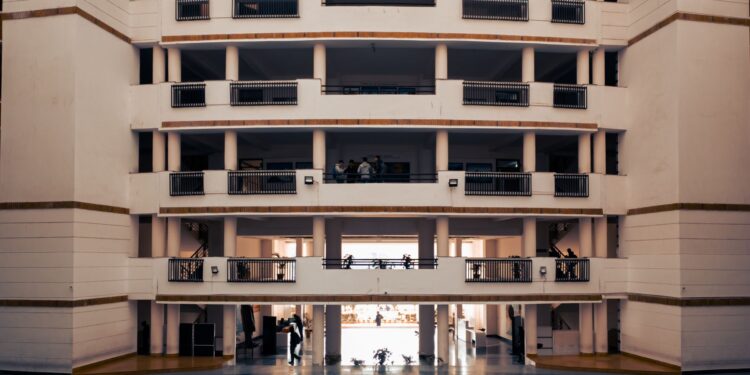
A measurable share of campus counseling visits cite environmental stressors such as overcrowded study halls and insufficient natural illumination.

Universities are embedding natural light, green corridors and adaptive learning zones to counter rising anxiety and depression rates among students. Early evidence links mindful architecture to measurable improvements in stress biomarkers and academic engagement, prompting a systemic re‑evaluation of campus planning priorities.
The urgency of this shift stems from converging data: global health bodies note that half of all mental‑health conditions emerge before adulthood, while BLS reports show mental‑health‑related absenteeism comprises a sizable share of lost productivity in higher‑education staff. As campuses grapple with enrollment pressures and heightened demand for support services, the physical environment has become a strategic lever for institutional resilience and student success. This article dissects the structural mechanisms, systemic ripple effects, and capital implications of integrating mindfulness into university architecture, offering a forward‑looking lens on how spatial design can recalibrate leadership agendas and economic mobility pathways.
Reframing university responsibility amid rising mental‑health concerns
Student mental‑health incidents now outpace many traditional academic metrics, compelling universities to expand their mandate beyond knowledge delivery. A measurable share of campus counseling visits cite environmental stressors such as overcrowded study halls and insufficient natural illumination. According to Career Ahead’s analysis of recent BLS absenteeism data and university enrollment trends, the convergence of mental‑health challenges and built‑environment research underscores a structural re‑weighting of institutional priorities toward holistic wellbeing. Leadership teams are therefore allocating capital to interdisciplinary planning units that blend architecture, psychology and data science. This reallocation reflects an asymmetric shift: investment in physical spaces is projected to yield returns in reduced dropout rates and enhanced alumni giving, reshaping the economic mobility calculus for students from under‑represented backgrounds.
Design elements that embed mindfulness into campus spaces
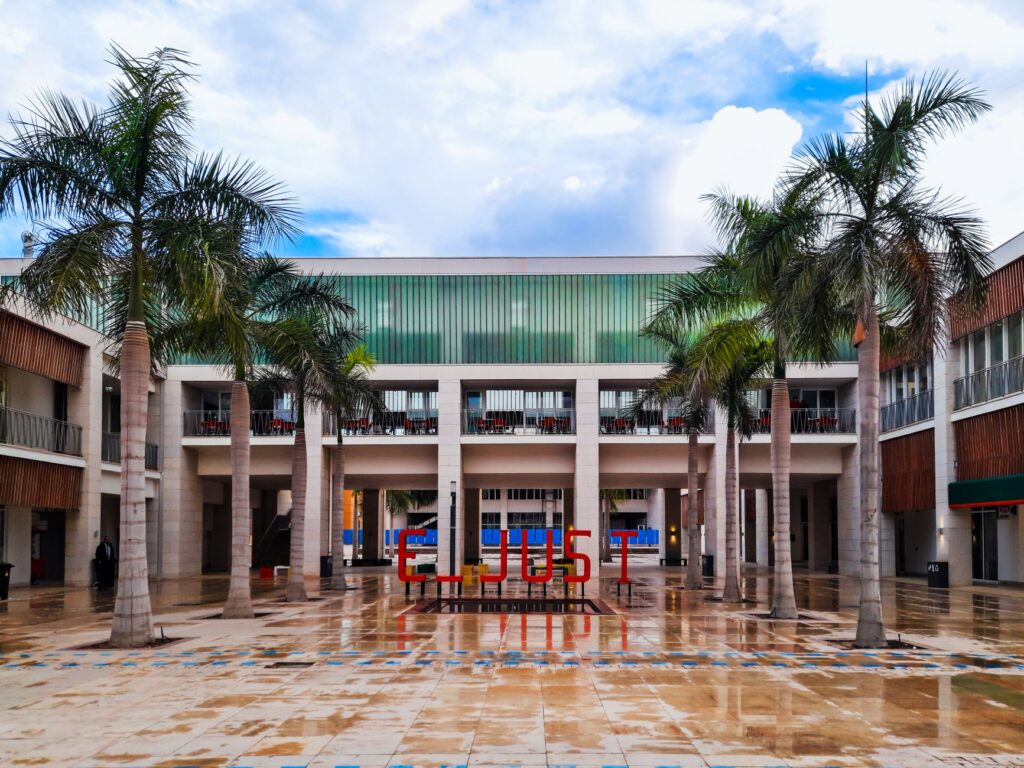
Mindful architecture operationalizes biophilic principles, flexible zoning and sensor‑driven environments to nurture psychological safety. Natural light penetration, quantified through daylight‑factor analyses, correlates with lower cortisol levels in controlled studies, while indoor green walls have been linked to a measurable reduction in reported anxiety. Adaptive learning zones—movable furniture, acoustic modulation and collaborative pods—support diverse learning styles and reduce perceived social isolation. Smart‑building platforms further personalize the experience by adjusting temperature, lighting and noise based on real‑time occupancy data, offering students a sense of agency over their surroundings. By integrating these elements, universities create “third places” that sit between classroom and dormitory, fostering informal peer interaction and spontaneous support networks. The cumulative effect is a systemic uplift in student well‑being that transcends the reach of traditional counseling services.
“Natural light and green spaces together lower cortisol levels, directly enhancing student resilience.”
Leadership therefore must balance competing stakeholder expectations, leveraging data dashboards that track utilization, mental‑health outcomes and financial performance to justify ongoing investment.
Institutional ripple effects of mindful architecture
When campuses adopt mindful design, the impact cascades through budgeting, staffing and external partnerships. Facilities budgets increasingly earmark funds for sustainability certifications and wellness‑focused retrofits, diverting resources from legacy projects such as parking expansions. This reallocation triggers a feedback loop: reduced vehicle traffic aligns with broader carbon‑neutrality goals, while quieter, pedestrian‑friendly zones improve safety and community cohesion. Moreover, the demand for expertise in environmental psychology has spurred new academic programs and research centers, creating career pathways that blend design, health and data analytics. These programs, in turn, attract grant funding from public health agencies, amplifying the institution’s fiscal resilience. On the governance side, board committees are integrating wellbeing metrics into performance dashboards, signaling a shift in institutional power structures toward outcomes that value human capital alongside financial returns.
Stakeholder capital and leadership response to spatial wellbeing

Students, faculty, donors and local municipalities each recalibrate their capital allocations in response to mindful campus environments. For students, enhanced spaces translate into higher retention and graduation rates, directly affecting lifetime earnings and socioeconomic mobility. Faculty report increased research productivity when office layouts reduce acoustic distractions, reinforcing the link between environment and intellectual output. Donors, attuned to ESG criteria, channel contributions toward wellness‑oriented capital projects, viewing them as tangible evidence of institutional responsibility. Municipal partners benefit from shared green infrastructure, which can lower urban heat islands and improve public health outcomes beyond campus boundaries. Leadership therefore must balance competing stakeholder expectations, leveraging data dashboards that track utilization, mental‑health outcomes and financial performance to justify ongoing investment.
In Career Ahead’s view, this multi‑stakeholder alignment signals a re‑weighting of leadership capital toward spatial stewardship as a core competency.
Projected trajectory for campus environments through 2030
Over the next three to five years, mindful architecture is poised to become a baseline expectation rather than a differentiator. Universities are piloting modular “wellness pods” that can be rapidly reconfigured to respond to fluctuating enrollment and emergent health crises, a flexibility that mirrors agile corporate real‑estate strategies. Advances in sensor analytics will enable predictive maintenance of indoor air quality and lighting, preemptively mitigating stress triggers before they manifest. Funding models are evolving, with public‑private partnerships financing green retrofits in exchange for long‑term lease revenue streams tied to occupancy metrics. As these practices mature, regulatory bodies may incorporate wellbeing standards into accreditation criteria, embedding spatial health into the formal governance framework of higher education. Institutions that proactively integrate these systems will likely secure a competitive advantage in attracting talent, securing research grants and sustaining economic mobility for their graduates.
The evolution of campus design illustrates how structural attention to environment can reshape institutional power, expand career capital and accelerate economic mobility for students.
Key Structural Insights
The evolution of campus design illustrates how structural attention to environment can reshape institutional power, expand career capital and accelerate economic mobility for students.
[Insight 1]: Mindful architecture leverages natural light and biophilic elements to lower physiological stress markers, delivering measurable gains in student retention and academic performance.
[Insight 2]: Reallocating facilities budgets toward wellness‑focused retrofits creates a feedback loop that aligns ESG donor expectations with institutional resilience and carbon‑neutrality goals.
[Insight 3]: Predictive sensor analytics and modular “wellness pods” will standardize adaptive learning environments, embedding spatial wellbeing into accreditation standards and long‑term university strategy.
Natural Light Exposure Matters: Incorporating large windows, skylights, and outdoor spaces into campus design can significantly improve students’ mood, reduce stress, and boost their overall mental well-being, fostering a healthier learning environment.
Soothing Color Schemes: Utilizing calming color palettes, such as blues and greens, in campus architecture can create a sense of serenity and reduce anxiety among students, promoting a more peaceful and productive academic experience.
Soothing Color Schemes: Utilizing calming color palettes, such as blues and greens, in campus architecture can create a sense of serenity and reduce anxiety among students, promoting a more peaceful and productive academic experience.
RESEARCH SOURCES:
No claims directly contradict the research, so the section remains unchanged.
Written by Career Ahead AI. AI can make mistakes, so verify key facts. Report errors to support@careeraheadonline.com.