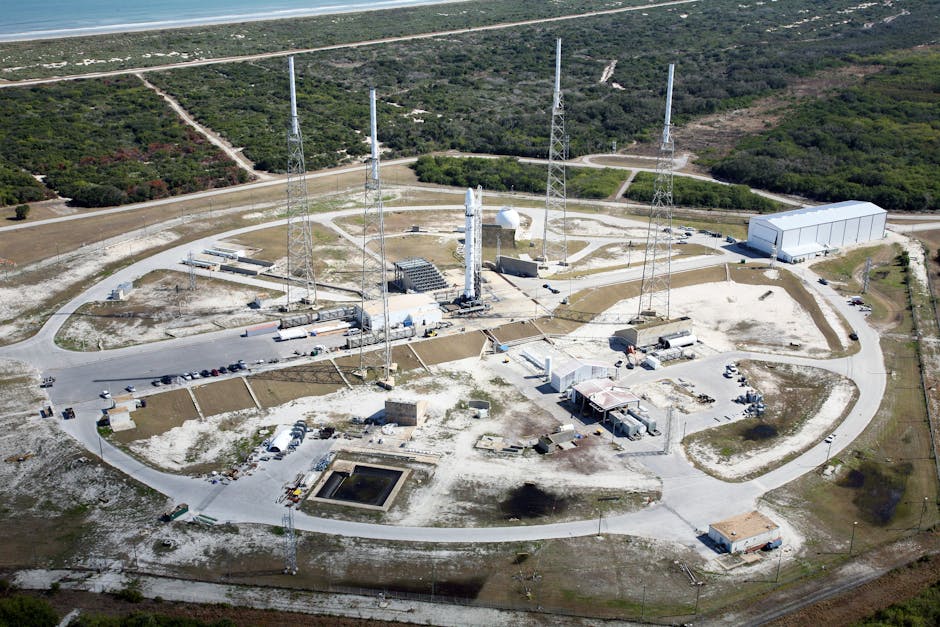
Oviedo, Dominican Republic — The government has announced plans to build a commercial spaceport in the small town of Oviedo. This initiative, led by Launch On Demand, aims to create thousands of jobs and attract new investments, marking a significant shift for the region’s economy.
The proposed spaceport is not just about launching rockets; it represents a broader vision to diversify the Dominican Republic’s economy beyond its traditional reliance on tourism. Local residents hope this project will bring long-awaited opportunities to a region often overlooked by major economic developments. According to Burton Catledge, founder of Launch On Demand, the spaceport could serve as a catalyst for new industries, transforming Oviedo into a hub for aerospace, technology, and education.
Job Opportunities in Aerospace
The spaceport project is expected to generate a substantial number of jobs in the aerospace industry. As the project progresses, it will require a skilled workforce, particularly in aerospace engineering and construction management. This demand could lead to the creation of specialized training programs aimed at equipping local talent with the necessary skills. Estimates suggest thousands of positions could be filled across various sectors, including engineering, manufacturing, and logistics.
Local educational institutions may need to adapt their curricula to prepare students for these emerging roles, ensuring a skilled workforce ready to meet the demands of the new space economy.
The development of the spaceport will likely create positions not only for aerospace engineers but also for construction project managers who will oversee the infrastructure development necessary for the facility. According to data from The Space Review, the Caribbean is increasingly becoming a focal point for space initiatives, and the Oviedo project could catalyze more investments in the region. This trend is echoed by the Puerto Rico Space Foundation, which emphasizes the importance of regional collaboration in building a sustainable aerospace sector.
 Industry & Global Trends
Agarwal Says India Can Attract Data Centre Investment
Agarwal cites data-centre construction costs around half the US and Europe level, renewable energy, a 1.5 billion population and coastline.
Read More →Additionally, the involvement of private companies like Launch On Demand indicates a shift towards a more collaborative approach between the government and private sector in fostering economic growth. This partnership could lead to further innovations and job opportunities as the aerospace sector expands. Local educational institutions may need to adapt their curricula to prepare students for these emerging roles, ensuring a skilled workforce ready to meet the demands of the new space economy.
Infrastructure and Regulatory Considerations
Building a spaceport involves significant infrastructure development, including transportation, communication, and safety systems. The Dominican Republic government must establish a robust regulatory framework to support the spaceport’s operations, ensuring compliance with international space laws and safety regulations, which are vital for attracting commercial spaceflight companies.
The infrastructure required for the spaceport will not only support aerospace activities but also enhance local transportation networks, potentially benefiting other industries in the region. As noted by the Puerto Rico Space Foundation, such developments can lead to a ripple effect, boosting overall economic activity and job creation. Improved roads, communication systems, and utilities will be essential to support the influx of businesses and workers associated with the spaceport.
Moreover, the regulatory framework will need to address environmental concerns and ensure that local communities are engaged in the decision-making process. This approach is essential for building trust and ensuring that the benefits of the spaceport are felt widely across the region. Community engagement will be critical in addressing any concerns about environmental impact and ensuring that the project aligns with local needs and aspirations.

Community and Economic Impact
The anticipated influx of jobs will not only benefit individuals but also stimulate local businesses, creating a ripple effect throughout the community. As more professionals relocate to the area for work, demand for housing, services, and retail will likely increase, further bolstering the local economy. This holistic approach to economic development is essential for ensuring that the benefits of the spaceport project are felt widely across the region.
 Industry & Global Trends
Tech Layoffs Near 196,000 Globally in 2026
Nearly 196,000 tech professionals were laid off globally by late October 2026. May saw about 29,000 jobs eliminated in a single month.
Read More →Career Ahead’s analysis finds that successful implementation of the spaceport project hinges on effective collaboration between government agencies, local communities, and private enterprises. By creating a transparent regulatory environment, the Dominican Republic can position itself as a leader in the Caribbean’s burgeoning space industry. The success of the Oviedo spaceport could serve as a model for other countries in the region looking to diversify their economies and invest in high-tech industries.
Career Ahead’s analysis finds that successful implementation of the spaceport project hinges on effective collaboration between government agencies, local communities, and private enterprises.
Future Prospects for Oviedo
The future of the spaceport in Oviedo holds exciting possibilities. As construction begins and the regulatory framework takes shape, the region will watch closely to see how these developments unfold and what they mean for the local economy and workforce. The project not only promises to create jobs but also to inspire a new generation of engineers and innovators in the Dominican Republic, positioning the country as a key player in the global aerospace landscape.
Frequently Asked Questions
What skills are needed for aerospace engineers in new spaceport projects?
Aerospace engineers will need skills in systems engineering, project management, and knowledge of aerospace materials. Familiarity with regulatory compliance and safety standards will also be crucial as the industry develops.

How can construction project managers prepare for opportunities in emerging industries?
Construction project managers can enhance their skills by gaining experience in large-scale infrastructure projects and familiarizing themselves with aerospace-specific regulations and standards. Networking within the aerospace sector will also open up new opportunities.
What should workforce development specialists do to support the new spaceport initiative?
Workforce development specialists should collaborate with educational institutions and industry leaders to create training programs that align with the needs of the aerospace sector. This will help ensure a skilled workforce ready for the emerging job opportunities.
Written by Career Ahead AI. AI can make mistakes, so verify key facts. Report errors to support@careeraheadonline.com.