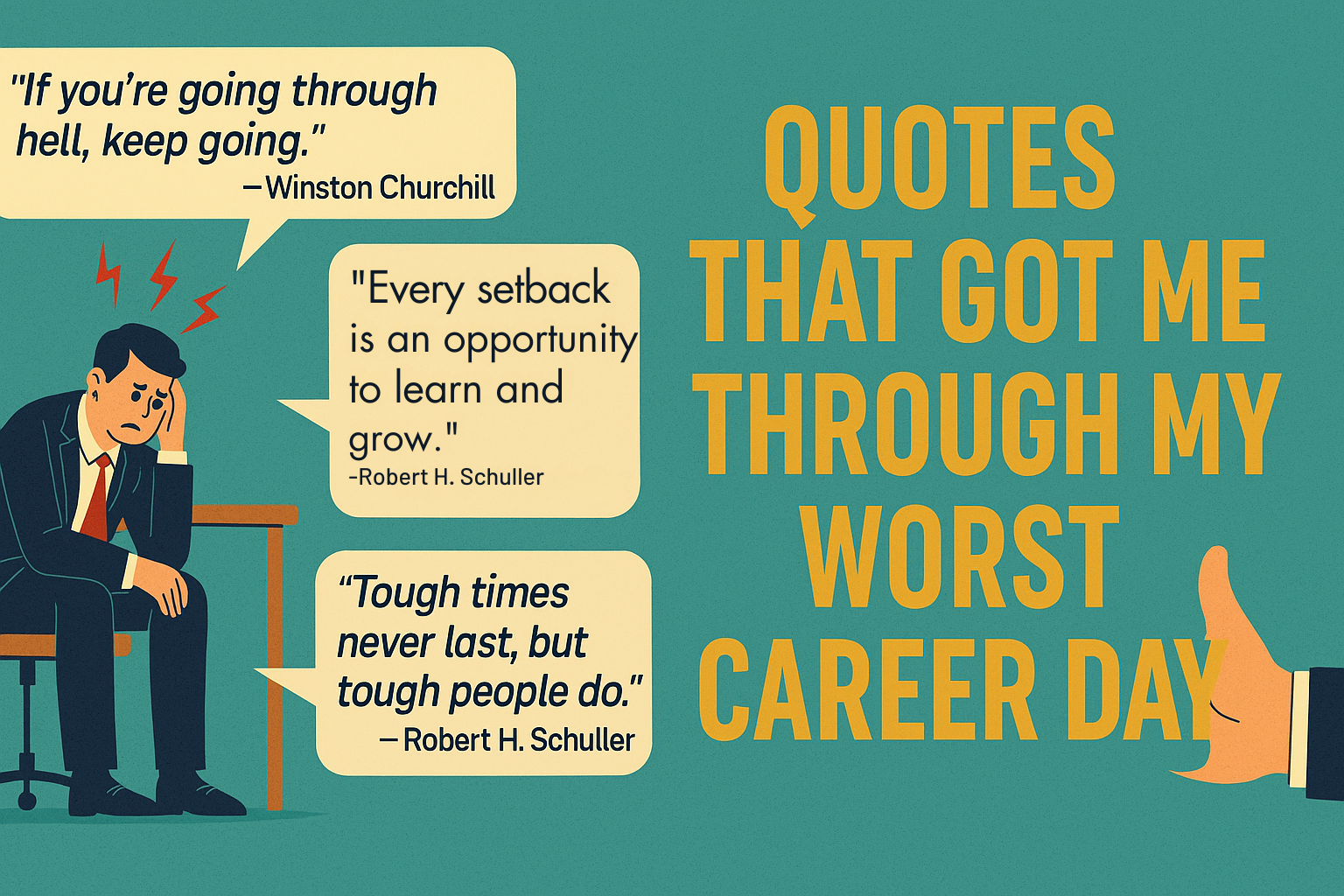
As the workforce evolves, Millennials and Generation Z are learning crucial lessons that could shape their careers for decades. Drawing from Deloitte’s Millennial and Gen Z surveys, along with insights from the World Bank on youth employment, a tapestry of common themes emerges: resilience, adaptability, networking, and financial literacy.
These lessons are not merely abstract concepts but vital skills that young professionals must cultivate to thrive in an unpredictable job market. The COVID-19 pandemic has accelerated changes in work environments, making adaptability more important than ever. According to Deloitte’s 2023 Global Millennial Survey, 57% of Millennials and 61% of Gen Z respondents reported feeling anxious about their career prospects, underscoring the need for a proactive approach to career development [1].

Resilience stands out as a key trait for navigating the complexities of modern employment. The World Bank highlights that 40% of young employees faced job disruptions during the pandemic, a statistic that resonates with many across the globe. This upheaval has spurred a generation to rethink their career paths, prompting them to embrace flexibility and to seek opportunities in diverse fields [2].
These lessons are not merely abstract concepts but vital skills that young professionals must cultivate to thrive in an unpredictable job market.
Networking also plays a pivotal role in career advancement. The digital age has transformed how professionals connect, making virtual networking platforms essential. In Deloitte’s survey, 45% of Millennials indicated that they rely on social media to build professional relationships. This trend emphasizes the importance of digital literacy in creating meaningful connections [3].
Moreover, financial literacy has emerged as a critical skill, especially for young people grappling with student debt and rising living costs. A study by the National Endowment for Financial Education reveals that nearly 60% of young adults feel unprepared to manage their finances effectively. As such, integrating financial education into career development programs can empower these individuals to make informed decisions about their futures [4].
As the workforce landscape continues to shift, these lessons will remain relevant. Young professionals must embrace a mindset of continuous learning to stay competitive. Companies that invest in training and development will not only equip their employees with essential skills but also foster loyalty and reduce turnover.
Looking ahead, the integration of technology into career development will further reshape the labor market. Automation and artificial intelligence are poised to alter job roles significantly. The World Economic Forum predicts that by 2025, 85 million jobs may be displaced due to automation, while 97 million new roles could emerge, necessitating a workforce that is adaptable and ready to learn new skills [5].
 Career Guidance
How to Switch Industries Mid-Career Without Starting Over
Bridge roles can reduce risk, while targeted skills and industry-specific applications help you make the case for a new field.
Read More →In this dynamic environment, young professionals must take charge of their career journeys. Embracing lifelong learning, seeking mentorship opportunities, and actively participating in professional networks will be crucial strategies for navigating future challenges. The lessons learned today will not only impact individual trajectories but will also shape the broader workforce of tomorrow.
Written by Career Ahead AI. AI can make mistakes, so verify key facts. Report errors to support@careeraheadonline.com.