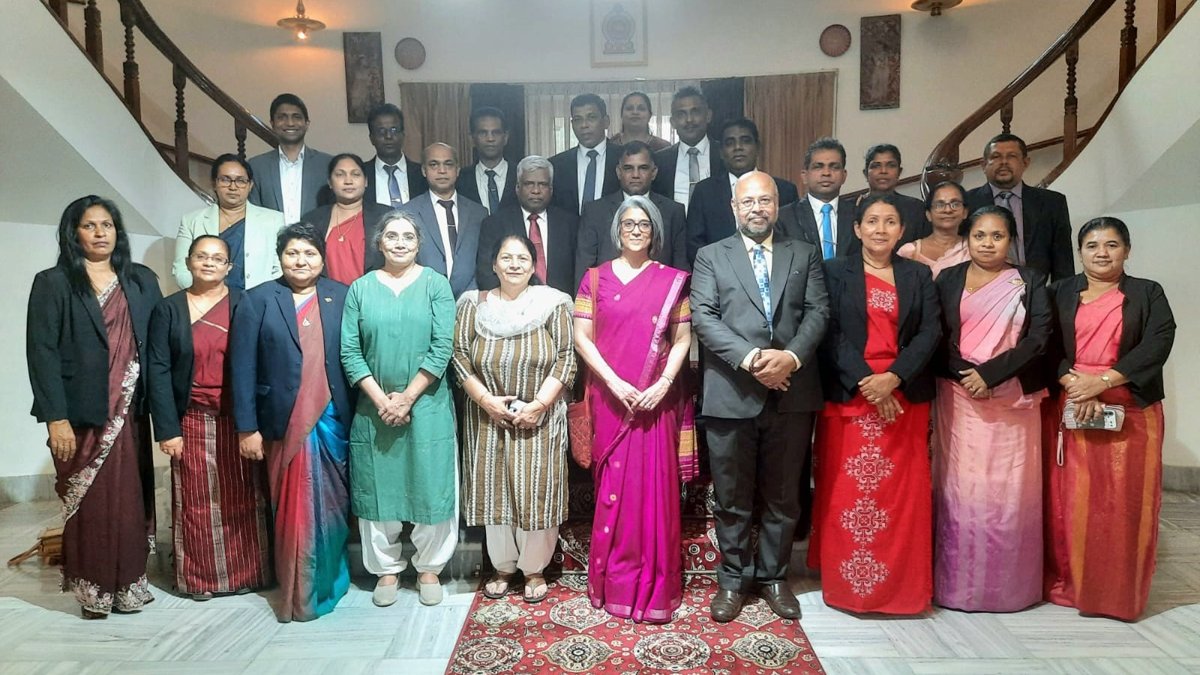
India’s higher education landscape is undergoing a significant shift, as Prof Ananya Mukherjee, Vice-Chancellor of Shiv Nadar University, emphasizes the need to celebrate student aspirations instead of merely focusing on enrollment numbers. This conversation comes at a critical time when the country is projected to require nearly 1.25 million AI professionals by 2027, raising questions about how educational institutions can align their outputs with labor market demands.
Prof Mukherjee argues that the current emphasis on enrollment figures does not necessarily translate into successful educational outcomes. In a recent discussion, she pointed out that while increasing enrollment is commendable, it is equally important to ensure that students are equipped with the skills and mindset necessary to thrive in a rapidly changing job market. The traditional metrics of success in education must evolve to reflect this reality. As highlighted in a report by Career Ahead, the correlation between student aspirations and their eventual employment success is significant, suggesting that a focus on aspirations can lead to better outcomes.
Redefining Success in Higher Education
Prof Mukherjee’s insights highlight a crucial need for higher education institutions to redefine what success looks like. Rather than celebrating the number of students admitted, universities should focus on fostering a culture of aspiration and continuous learning. This approach aligns with findings from Career Ahead, which indicate that a strong correlation exists between student aspirations and their eventual employment success.
Prof Mukherjee’s insights highlight a crucial need for higher education institutions to redefine what success looks like.
Career Ahead research finds that students who engage in goal-setting and career planning during their education are more likely to secure meaningful employment post-graduation. This suggests that universities should implement programs that encourage students to articulate their aspirations and connect them with relevant skills and experiences. By doing so, institutions can better prepare graduates for the demands of the job market. Moreover, as Prof Mukherjee notes, the integration of AI and other emerging technologies into the curriculum can enhance students’ learning experiences. The focus should not only be on teaching students how to use these tools but also on developing their ability to learn continuously and adapt to new challenges. This shift in focus can help create agile learners who are better equipped to navigate the complexities of modern workplaces.
To support this transformation, universities must foster collaboration between academia and industry. Prof Mukherjee believes that partnerships with businesses can provide valuable insights into the skills and competencies that employers seek. By involving industry stakeholders in curriculum development, universities can ensure that their programs remain relevant and responsive to market needs. This sentiment is echoed in a recent article by Schrole, which emphasizes the importance of aligning educational outcomes with industry requirements to enhance student success.
The Importance of Holistic Education Outcomes
As the conversation around education reform continues, it is essential to address the broader implications of focusing on aspirations over enrollment numbers. Prof Mukherjee emphasizes that education must move beyond traditional metrics to embrace a more holistic view of student success. This includes not only academic achievements but also personal development and career readiness.
Women’s participation in higher education has increased significantly in recent years, yet their workforce participation remains disproportionately low. Prof Mukherjee points out that while it is essential to celebrate women’s enrollment in universities, it is equally important to ensure that these aspirations translate into meaningful career opportunities. This requires targeted support and mentorship programs that empower female students to pursue their goals beyond graduation. The need for such initiatives is underscored by the findings in a report from Ifwworld, which highlights the gap between educational aspirations and actual workforce participation among women.
This evolution is critical as India moves forward, raising the question of how higher education institutions can effectively implement these changes to meet the evolving needs of students and the workforce.
Furthermore, the need for sustainability in education is becoming increasingly important. Prof Mukherjee advocates for a comprehensive approach that integrates sustainability into teaching, research, and campus operations. By embedding sustainability into the educational framework, universities can prepare students to address pressing global challenges while fostering a sense of responsibility towards the environment. This holistic view of education not only enhances student engagement but also prepares them to become responsible global citizens.

Ultimately, the shift towards celebrating student aspirations rather than merely counting enrollments signals a broader change in how higher education institutions view their role in society. As Prof Mukherjee suggests, universities must evolve into lifelong partners in learners’ journeys, providing support and resources that extend far beyond the classroom. This evolution is critical as India moves forward, raising the question of how higher education institutions can effectively implement these changes to meet the evolving needs of students and the workforce. The answer will likely shape the future of education in the country.
As the landscape of higher education continues to evolve, it is imperative that institutions adapt to these changes. The focus on aspirations over enrollment is not just a shift in metrics; it represents a fundamental change in how education is perceived and delivered. By prioritizing student aspirations, universities can create a more dynamic and responsive educational environment that prepares graduates for the challenges of tomorrow.
Frequently Asked Questions
What strategies can higher education administrators implement to enhance student outcomes?
Career Ahead’s analysis shows that higher education administrators can enhance student outcomes by fostering a culture of aspiration, integrating industry collaboration into curricula, and promoting continuous learning. These strategies can help align educational programs with job market needs.
Career Ahead’s analysis shows that higher education administrators can enhance student outcomes by fostering a culture of aspiration, integrating industry collaboration into curricula, and promoting continuous learning.
How can education policymakers foster a culture of aspiration in schools?
Education policymakers can foster a culture of aspiration by supporting initiatives that encourage goal-setting, mentorship programs, and partnerships with industry. These efforts can help students envision their futures and develop the skills necessary to achieve their aspirations.

What metrics should higher education institutions focus on to evaluate success?
Institutions should focus on metrics that reflect holistic student success, including career readiness, student engagement, and post-graduation employment rates. These metrics provide a more comprehensive view of institutional effectiveness than enrollment numbers alone.
Written by Career Ahead AI. AI can make mistakes, so verify key facts. Report errors to support@careeraheadonline.com.