India's finance ministry has launched a ₹5,175 crore initiative under the SASCI scheme to expedite mining operations, aiming to operationalise 79 mineral blocks by December 31, 2026. This initiative sets specific targets for states, linking financial incentives to the operationalisation of mines, which could significantly impact the mining sector and job opportunities for professionals in the field.
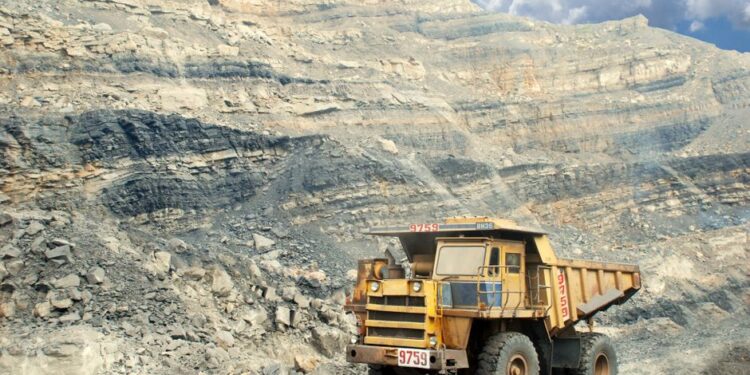
India’s finance ministry has announced a significant initiative to expedite mining operations by allocating ₹5,175 crore under the Scheme for Special Assistance to States for Capital Investment (SASCI) for the fiscal year 2026-27. This scheme aims to operationalise 79 mineral blocks by December 31, 2026, marking a pivotal moment for the mining sector in India.
The SASCI guidelines stipulate that states must bring into production 10% of the 684 auctioned mineral blocks. Each state has specific targets: Rajasthan and Madhya Pradesh are required to operationalise at least 13 mines each, while Odisha must bring eight into production. Other states like Karnataka and Chhattisgarh have targets of seven, and Gujarat and Maharashtra must operationalise six and five mines, respectively. This targeted approach creates clear expectations and encourages competition among states to expedite mining operations.
Financial Incentives for States
Under the SASCI scheme, states will receive ₹20 crore for each major mineral block operationalised, contingent on having the necessary environmental and land clearances in place. This incentive structure is designed to motivate states to meet their operational targets swiftly. The total allocation includes ₹2,500 crore for operationalising mines, ₹2,000 crore for mining reforms, and ₹675 crore for rewarding top performers based on the State Mining Readiness Index. This financial framework is crucial as it links mine operationalisation to significant financial rewards, encouraging states to act promptly.
According to analysis from Career Ahead, these financial incentives could significantly boost mineral production. The connection between operationalisation and financial reward means states will likely prioritize getting these blocks into production quickly. This urgency offers mining engineers and mineral exploration specialists a chance to work closely with state governments, ensuring that operational requirements are met efficiently. Additionally, the SASCI scheme is expected to improve governance in mining, promoting transparency and accountability.
Impact on Mining Professionals
The new guidelines create a pressing timeline for mining professionals. States must meet their operationalisation targets by December 31, 2026, to qualify for incentives. This deadline necessitates that mining engineers collaborate closely with state officials to address logistical and regulatory challenges swiftly. Research indicates that mining engineers in 2026-27 will focus on efficient project management and compliance with new mining regulations. Engineers will need to develop skills that align with these operational pressures, emphasizing technical expertise and project management abilities.
IRDAI's recent reforms introduce significant changes aimed at enhancing policyholder protections and accountability among insurance agents. This will reshape the insurance landscape in India, benefiting…
Engineers will need to develop skills that align with these operational pressures, emphasizing technical expertise and project management abilities.
For mineral exploration specialists, the incentives will likely increase demand for their services as states ramp up efforts to explore and exploit mineral resources. The operationalisation of new blocks will require thorough geological assessments and exploration activities. This period will be critical for specialists in the field. As states work to meet their targets, collaboration between engineers and exploration experts will be essential to complete necessary assessments efficiently.
Role of State Officials in Mining Reforms
State government officials will play a key role in this transformation. They must ensure their states meet operationalisation requirements, which involves coordinating with various stakeholders, including environmental agencies and local communities, to facilitate necessary clearances and support for mining activities. The competition among states for these financial incentives will likely encourage innovative practices and reforms within the mining sector, as officials seek to enhance productivity and streamline operations.
As states compete for financial incentives, the competition will likely intensify, leading to innovative practices and reforms in the mining sector. States will look for ways to streamline operations and boost productivity to meet government expectations. The approaching deadline for operationalisation will create urgency, potentially driving advancements in mining technology and practices, benefiting the sector overall.
Challenges and Considerations Ahead
The ₹5,175 crore incentive scheme marks a significant shift in India’s approach to mining operations. However, challenges remain, particularly regarding environmental regulations and community engagement. States must balance the urgency of operationalisation with addressing environmental concerns and maintaining social licenses to operate. The coming months will be critical for mining professionals as they adapt to the new framework. Collaboration between engineers, state officials, and local communities will be crucial for smooth mining activities.
As the mining sector evolves under these new guidelines, monitoring how states respond to these financial incentives will be essential. The effectiveness of this scheme will depend on various stakeholders working together to achieve common goals. This initiative could set a precedent for future mining policies in India, leading to more comprehensive reforms that enhance sustainability and productivity in the sector. As the deadline nears, the mining community will closely watch how these dynamics unfold.
The RBI's renewed policy aims to enhance financial inclusion, particularly for micro, small, and medium enterprises (MSMEs) facing credit access challenges.
The coming months will be critical for mining professionals as they adapt to the new framework.
Frequently Asked Questions
What are the operational requirements for mining engineers in 2026-27?
Mining engineers must focus on efficient project management and compliance with new regulations. They need to meet operationalisation targets by the December 31 deadline to qualify for state incentives.
How can mineral exploration specialists benefit from the new incentives?
Mineral exploration specialists can expect increased demand for their services as states boost efforts to explore and exploit new mineral blocks. This is a chance for specialists to engage in geological assessments and exploration activities.
What should state government officials do to ensure compliance with the new mining reforms?
State officials must coordinate with various stakeholders, including environmental agencies, to secure necessary clearances for mining activities. They should also engage local communities to maintain social licenses to operate.



Government & Policy
 Government & Policy