No products in the cart.

Chatbots as Catalysts: Overcoming Student Resistance in Education
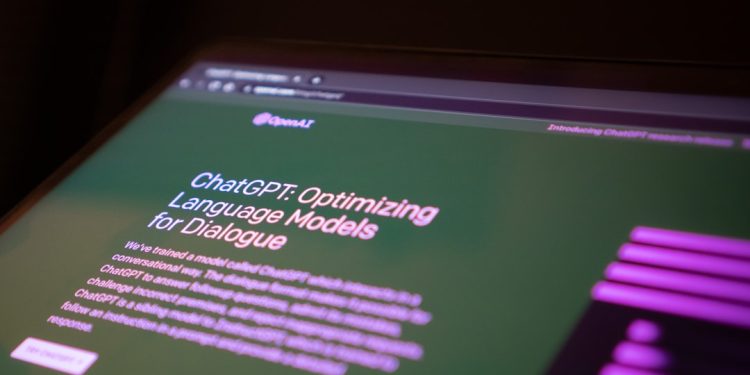
This article examines the role of chatbots in education, focusing on their potential to reduce student resistance and improve technology integration.

San Francisco, USA — As educational institutions increasingly adopt technology, student resistance remains a significant barrier. A recent study published in Frontiers highlights the transformative-role-in-global-supply-chains/” class=”ca-internal-link”>transformative potential of chatbots in mitigating this resistance and enhancing educational technology integration.
The study reveals that chatbots can serve as effective tools for engaging students, providing personalized support, and fostering a more interactive learning environment. this is particularly relevant as educators seek innovative solutions to improve student outcomes in an era marked by rapid technological advancement.
<figure class=”aligncenter”><img src="https://careeraheadonline.com/wp-content/uploads/2025/11/34615444.jpg" alt="chatbots as catalysts: overcoming student Resistance in education” loading=”lazy” />
chatbots, powered by artificial intelligence, can address common student concerns such as accessibility and personalized learning. By offering immediate responses to queries and facilitating interactive learning experiences, these digital assistants can reduce the anxiety often associated with new technologies. As a result, students may feel more empowered to engage with complex subjects, particularly in language learning, where practice and feedback are crucial.
The study reveals that chatbots can serve as effective tools for engaging students, providing personalized support, and fostering a more interactive learning environment.
according to a report from the international society for technology in education (ISTE), 78% of teachers believe that technology can enhance student engagement, yet many face challenges in its implementation. Resistance often stems from a lack of familiarity with new tools, concerns about effectiveness, and the fear of technology replacing traditional teaching methods. chatbots can bridge this gap by providing a familiar, user-friendly interface that encourages exploration and learning.
Furthermore, the integration of chatbots aligns with the increasing emphasis on personalized education. A study by mckinsey & company found that personalized learning can lead to a 30% increase in student performance. chatbots can tailor their responses based on individual student needs, preferences, and learning paces, making education more relevant and effective.