No products in the cart.

China’s Domestic OS Revolutionizes Government IT

China's decision to phase out Microsoft Windows from state agencies signals a significant shift in its IT policy. This move raises important questions about cybersecurity protocols and the future of domestic software solutions, impacting procurement strategies across government sectors.

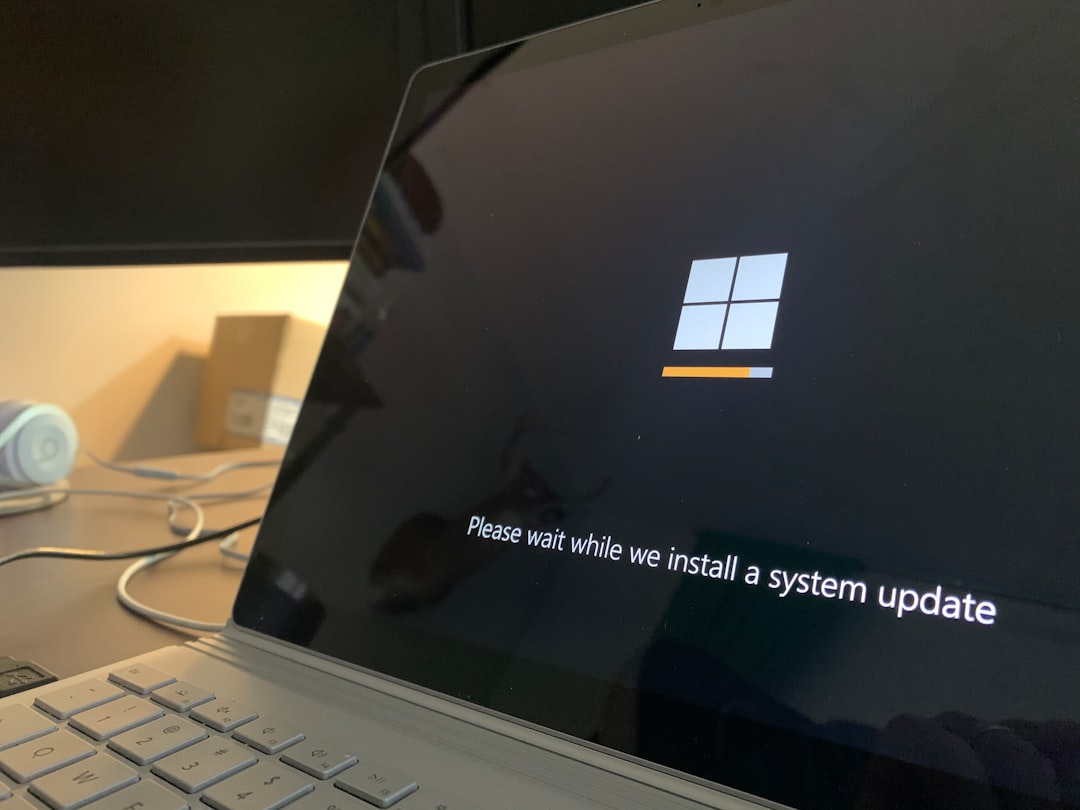
China has announced a significant policy shift by removing Microsoft Windows from state agencies. This decision, made public on August 18, 2026, is part of a broader strategy to reduce reliance on foreign technology. The Chinese Ministry of State Security has directed state-linked entities to uninstall customized versions of Windows 10 from their systems, expediting the timeline for this transition.
This move is not just a technical adjustment; it reflects China’s increasing apprehension about using foreign software in sensitive government operations. The urgency of this policy change underscores a growing trend toward domestic software solutions, which could reshape the landscape of government IT procurement and cybersecurity protocols.
Transitioning to Domestic Operating Systems
The phase-out of Microsoft Windows is a critical step towards implementing domestic operating systems across China’s state agencies. The Chinese government has been investing in developing its own software solutions, aiming to foster a self-reliant technology ecosystem. This transition is expected to include operating systems that are tailored to meet the specific security and operational needs of state functions.
Career Ahead’s analysis finds that this shift may lead to the adoption of platforms such as Kylin OS, a Linux-based system developed in China. Kylin OS has been positioned as a viable alternative to Windows, especially for government applications. The move towards domestic operating systems is anticipated to not only enhance security but also promote local tech innovation.
As government entities transition away from Windows, IT administrators will need to adapt their software procurement strategies. This includes evaluating the compatibility of existing applications with new operating systems and ensuring that staff are trained on these platforms. The government’s push for domestic solutions may also lead to a surge in demand for local software developers and engineers who can support these systems.
Moreover, this transition could create a ripple effect throughout the technology sector in China. Companies that provide IT services and software will need to pivot quickly to align with the government’s new requirements. This shift will likely necessitate investment in new technologies and training programs for IT professionals to ensure a smooth transition.
This shift will likely necessitate investment in new technologies and training programs for IT professionals to ensure a smooth transition.
Impact on Cybersecurity Protocols
You may also like
 Government & Policy
BOJ’s Deputy Chief Flags AI’s Possible Impact on Neutral Rate
The neutral interest rate, often referred to as the "natural rate," is the theoretical interest rate at which monetary policy neither stimulates nor restricts economic…
Read More →The removal of Microsoft Windows from state agencies raises significant cybersecurity implications. With the shift to domestic operating systems, the Chinese government is likely prioritizing enhanced security measures tailored to its specific needs. This change aims to mitigate risks associated with foreign software, which can be vulnerable to espionage and cyberattacks.
Cybersecurity specialists will need to reassess their strategies in light of this transition. The focus will shift towards ensuring that domestic operating systems are fortified against potential threats. This includes implementing robust security protocols and conducting regular audits to identify vulnerabilities in the new systems.
Additionally, as state agencies move to domestic solutions, the cybersecurity landscape may see a rise in new software vendors. These companies will need to demonstrate their ability to provide secure, reliable, and compliant solutions that meet government standards. This could lead to increased competition in the cybersecurity market within China, fostering innovation and improvements in security technologies.

Furthermore, the emphasis on domestic systems may prompt a re-evaluation of existing cybersecurity frameworks. Government agencies will likely need to develop new guidelines and policies that reflect the unique challenges and requirements of operating within a domestic ecosystem. This could involve collaboration between government bodies and private sector cybersecurity firms to create a comprehensive security strategy.
Career Ahead research identifies that roles focused on evaluating and integrating domestic software solutions will become increasingly important.
Potential Job Shifts in IT Procurement
The transition away from Microsoft Windows is expected to have a significant impact on job roles within government IT procurement. As agencies adopt new operating systems, there will be a demand for professionals who can navigate the complexities of sourcing and implementing these solutions. IT procurement specialists will need to stay informed about the latest technologies and vendors in the domestic market.
Career Ahead research identifies that roles focused on evaluating and integrating domestic software solutions will become increasingly important. This shift may require existing IT procurement staff to upskill or transition into new roles that align with the government’s strategic goals. Professionals with experience in managing software transitions and vendor relations will be particularly valuable in this evolving landscape.
You may also like
 Government & Policy
Deepwater Gas Price Ceiling Hits $9.89/MMBtu | Career Outlook
The Indian government has raised the ceiling price for deepwater gas to $9.89 per million British thermal units (MMBtu), effective from October 1, 2026. This…
Read More →Moreover, as local software companies gain prominence, there may be new opportunities for collaboration between government agencies and tech startups. This could lead to a more dynamic procurement process, fostering innovation and responsiveness to the needs of state agencies.
In summary, the removal of Microsoft Windows from state agencies in China marks a pivotal moment in the country’s IT strategy. As the government prioritizes domestic solutions, IT administrators, cybersecurity specialists, and procurement professionals will need to adapt to this new reality. The implications of this transition will reverberate through the technology sector, shaping the future of software development and cybersecurity in China.
As China forges ahead with its domestic operating systems, the global tech community will be watching closely. Will this move signal a broader trend toward national software solutions, and how will it affect international technology partnerships?
China is transitioning to domestic operating systems such as Kylin OS, which is designed to meet the specific needs of government functions.
Frequently Asked Questions
What alternatives to Microsoft Windows are being adopted by government agencies?
China is transitioning to domestic operating systems such as Kylin OS, which is designed to meet the specific needs of government functions. This shift aims to enhance security and reduce reliance on foreign technology.
How can cybersecurity specialists adapt to changes in government software policies?
Cybersecurity specialists will need to reassess their strategies and focus on ensuring that domestic operating systems are secure against potential threats. This includes implementing robust security protocols and conducting regular audits.

What should government IT administrators consider when transitioning to new operating systems?
IT administrators should evaluate the compatibility of existing applications with new domestic systems and ensure that staff are trained on these platforms. Staying informed about the latest technologies and vendors in the domestic market will also be crucial.
You may also like
 Government & Policy
EPF Balance Tax-Free During Career Break, Interest Taxed
Understanding the tax implications of your EPF balance is crucial for employees considering career breaks. While the principal amount may remain tax-free, interest earned during…
Read More →