No products in the cart.

China’s Humanoid Robots Face Innovation Hurdles
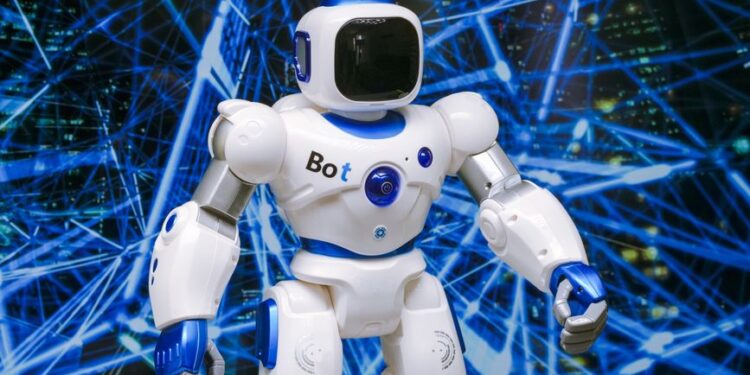
The World Humanoid Robot Games in Beijing showcased China's advancements in humanoid robotics, revealing both impressive feats and significant limitations in robot capabilities.

China showcased its advancements in humanoid robotics at the recent World Humanoid Robot Games in Beijing, featuring over 2,000 robots from more than 660 companies. This event highlighted the country’s ambitions in this competitive sector, demonstrating both remarkable achievements and notable shortcomings in robot capabilities. While the games displayed impressive feats, they also revealed that China has not yet secured its position as the global leader in humanoid robotics.
The games included events like sprinting, boxing, and obstacle courses, where robots demonstrated remarkable speed but also faced unexpected failures. For instance, the fastest robot, Tiangong Ultra, completed the 100-meter sprint in record time, yet many robots struggled with basic tasks, such as navigating an obstacle course. This mix of triumph and failure drew both laughter and concern from spectators. Reports from 365breakingnews noted that while there were rapid advancements in hardware, cognitive limitations in many designs were also underscored.
Performance Gaps at the Robot Olympics
Despite impressive engineering feats, experts noted that humanoid robots still have limited functional capabilities. Thrishantha Nanayakkara, a robotics professor at Imperial College London, stated that while physical advancements are significant, cognitive abilities lag behind. Robots can excel in specific tasks, like sprinting or boxing, but struggle with complex decision-making and multi-tasking, which are crucial for practical applications. A piece from Grandgoldman emphasized that robots’ inability to adapt to dynamic environments remains a major hurdle.
The performance gaps observed at the games reflect broader challenges in humanoid robotics. The inability of robots to perform multiple tasks effectively suggests that the industry is far from achieving a significant breakthrough, often referred to as a ‘ChatGPT moment.’ This moment would enable robots to handle various tasks efficiently, a limitation that poses a significant hurdle for engineers aiming to create versatile humanoids for everyday use. The event coincided with increased competition from international players, particularly from the United States, where companies like Elon Musk’s Tesla are preparing to launch their humanoid robots. This competitive landscape puts pressure on Chinese developers to enhance their offerings.
Market Dynamics and Global Competition
The games also provided Chinese companies with an opportunity to showcase their capabilities and attract global customers. The display of over 2,000 robots was not just a technological exhibition but also a strategic move to boost international sales. However, mixed results during competitions may hinder these efforts, as potential buyers might question the reliability and functionality of these robots. The disparity in performance levels was evident, with some teams achieving remarkable feats while others failed to complete basic tasks, raising concerns about quality control and consistency across the industry.
Market Dynamics and Global Competition The games also provided Chinese companies with an opportunity to showcase their capabilities and attract global customers.
Moreover, the recent U.S. ban on Chinese humanoids restricts market access and raises concerns about technological espionage and national security. This geopolitical tension adds another layer of complexity to the already competitive landscape, as Chinese developers must navigate both domestic and international pressures to maintain their edge in the robotics sector.
Funding Challenges and Future Prospects
The World Humanoid Robot Games highlighted intense competition within China’s robotics industry, fueled by government support and funding. The Chinese government has prioritized robotics in its latest five-year plan, aiming to accelerate humanoid technology development in response to demographic challenges, such as an aging population and labor shortages. However, despite substantial investments, concerns exist about the sustainability of funding for long-term projects. Some robotics companies have expressed frustration over the lack of financial support for practical applications, especially in industrial settings. Georg Stieler, a consultant in the field, noted that while creating attention-grabbing robots is relatively easy, developing practical solutions for factories remains a significant challenge.
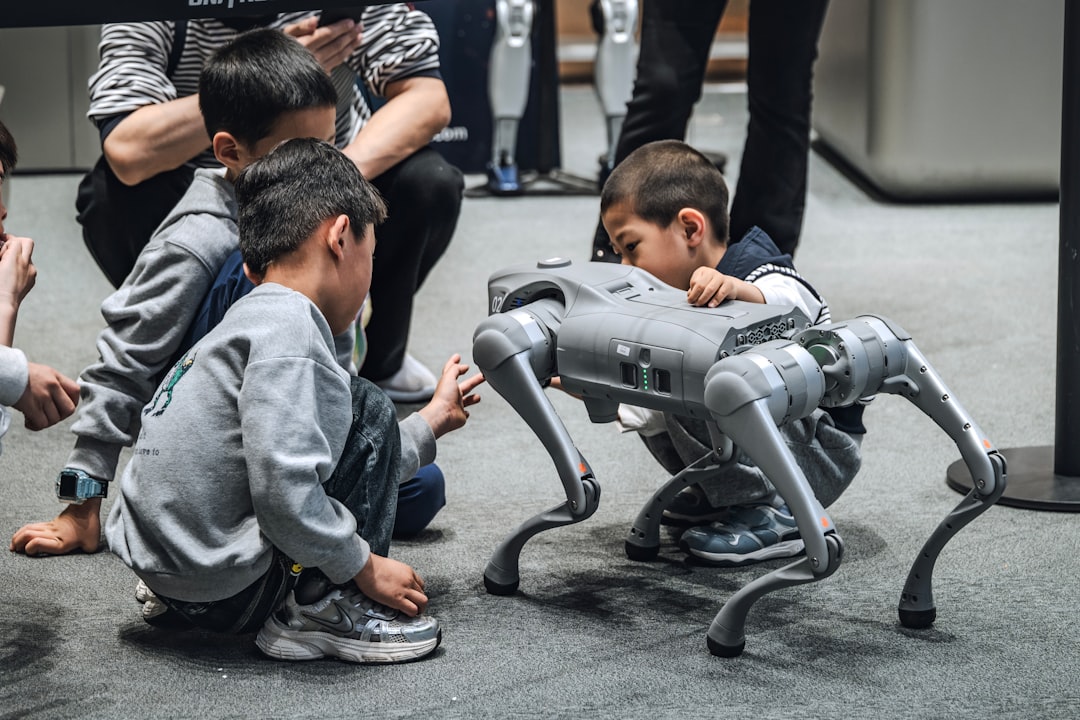
As the showcase of humanoid robots was impressive, funding and practical application issues need addressing. The industry must shift its focus from spectacle to utility to ensure humanoid robots deliver real-world benefits. As competition heats up, companies demonstrating practical use of their robots will likely gain a competitive edge. The growing demand for automation in various sectors presents both a challenge and an opportunity for robotics engineers.
Risks, Trade-Offs, and What Comes Next
The humanoid robotics sector in China will continue to evolve under domestic and international pressures. The recent games may serve as a wake-up call for Chinese engineers, highlighting the need for a balanced approach that prioritizes both performance and practical application. As the industry progresses, monitoring these developments will be crucial for the global robotics landscape. The challenges faced by Chinese developers remind us that while hardware advancements are impressive, the true test of robotics lies in their ability to integrate into everyday life and meet societal needs.

As the world watches China’s advancements in humanoid robotics, the question remains: will the country overcome its current challenges and solidify its position as a leader in this rapidly evolving field?
As the industry progresses, monitoring these developments will be crucial for the global robotics landscape.
Frequently Asked Questions
What are the key challenges facing robotics engineers in humanoid robot development?
Robotics engineers face significant challenges in improving humanoid robots’ cognitive abilities. While physical capabilities have advanced, robots still struggle with decision-making and multi-tasking, which are essential for practical applications.
How does China’s humanoid robot technology compare to other countries?
China currently leads in production, creating about 90% of the world’s humanoids. However, performance gaps in cognitive functions compared to competitors like the U.S. indicate that China must enhance its technology to maintain its leadership position.
What skills should humanoid robot developers focus on to improve their designs?
Developers should prioritize enhancing AI models that govern decision-making and interactions. This focus will help bridge the performance gaps observed in current humanoid robots, enabling them to handle a wider range of tasks effectively.
Related Articles
- Nvidia’s Investment Fuels Lambda’s Chip Procurement Strategy
Written by Career Ahead AI. AI can make mistakes, so verify key facts. Report errors to support@careeraheadonline.com.