No products in the cart.

China’s Trade Challenge to India: Implications for Agriculture Manufacturing
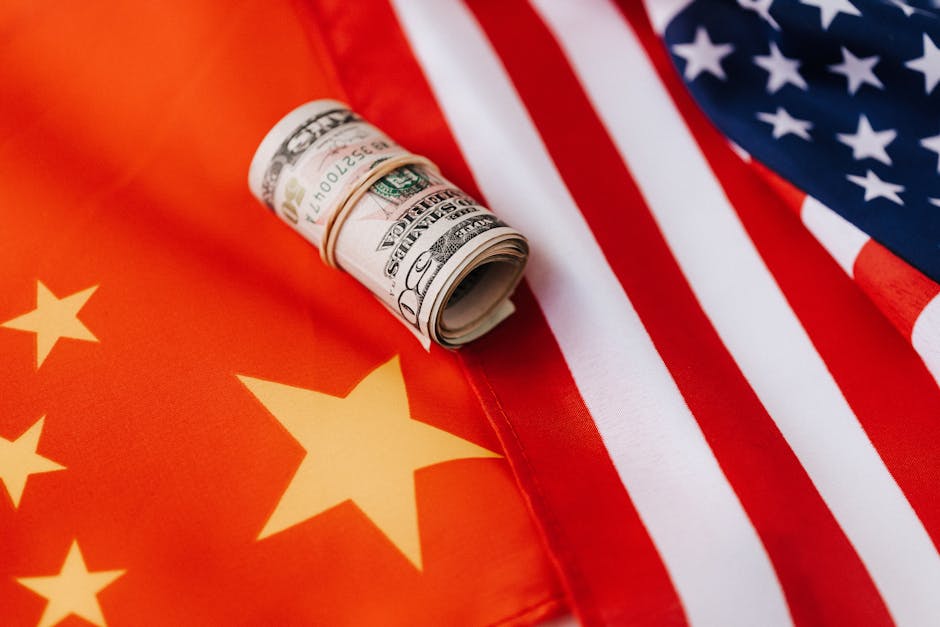
China's challenge to India's manufacturing incentives could reshape global agriculture and trade dynamics.

Beijing, China — China has formally challenged India’s domestic manufacturing incentives, claiming they violate international trade rules. The dispute, which escalated on October 29, 2025, could significantly impact agricultural technology and global supply chains.
This situation matters now as nations increasingly rely on local manufacturing to bolster economic resilience. With China’s challenge, the dynamics of international trade law and economic policy could shift, influencing how countries strategize their manufacturing incentives.
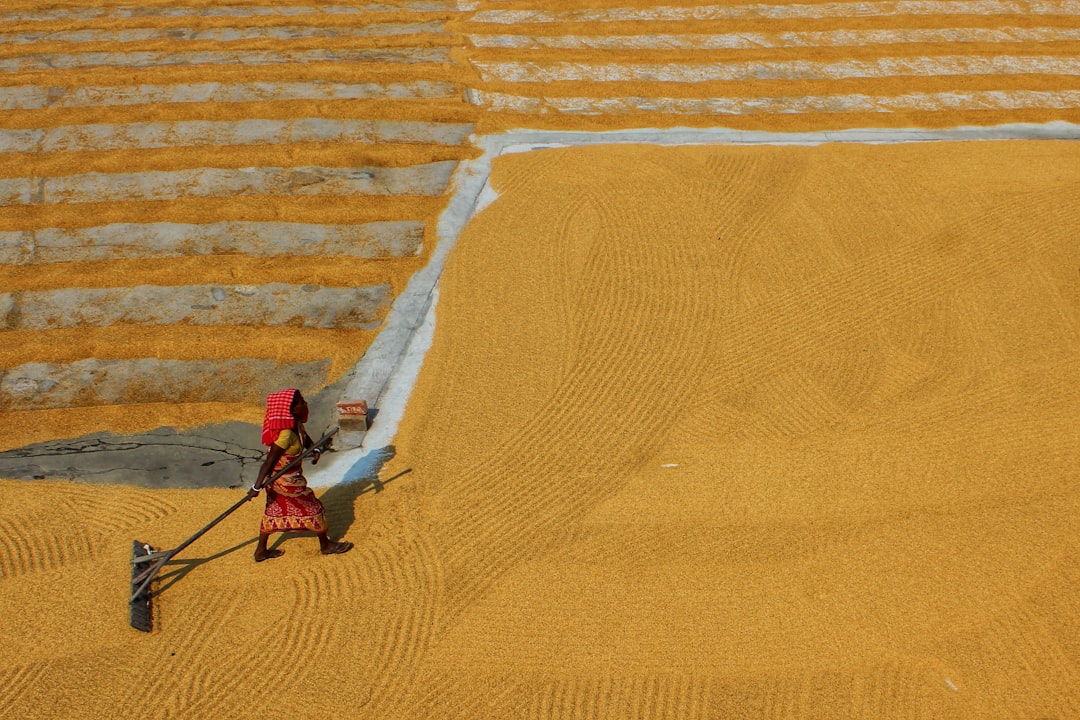
China’s Ministry of Commerce announced the challenge, arguing that India’s Production Linked Incentive (PLI) scheme disproportionately favors local manufacturers and places foreign companies at a disadvantage. The PLI scheme, launched in 2020, aims to boost domestic production in various sectors, including agriculture and technology. India’s government claims these incentives are crucial for economic growth and job creation, especially following the disruptions caused by the COVID-19 pandemic.
India has made significant investments in agricultural technology, with the government allocating approximately $6 billion to the PLI scheme specifically for the agricultural sector. This funding is designed to attract foreign investment and enhance the country’s self-sufficiency in food production. However, China’s complaint underscores the increasing tensions between the two nations, particularly in the context of global supply chain vulnerabilities.
 Career Development
Empowering Educators: UNESCO and MoEYS Join Forces
UNESCO and MoEYS push for enhanced teacher support, crucial for educational reform and career impact.
Read More →The World Trade Organization (WTO) plays a critical role in mediating such disputes, and India’s response will be closely monitored by other nations that are also considering similar manufacturing incentives.
The broader context reveals a complex interplay between domestic policies and international trade agreements. The World Trade Organization (WTO) plays a critical role in mediating such disputes, and India’s response will be closely monitored by other nations that are also considering similar manufacturing incentives. In recent years, countries like Vietnam and Mexico have adopted comparable policies to stimulate local manufacturing, suggesting a trend towards protectionism in global trade.
Analysts believe that China’s challenge could have ripple effects across the agricultural sector. According to a report by the International Food Policy Research Institute, India is projected to become one of the largest agricultural producers by 2030, particularly in staples like rice and wheat. The PLI scheme is central to this ambition, aiming to increase production efficiency and reduce dependency on imports.
However, if the WTO sides with China, India may need to revise its policies, potentially leading to a slowdown in agricultural advancements. The situation highlights the delicate balance between fostering domestic industries and complying with international trade norms.
Different perspectives emerge regarding the implications of this dispute. Proponents of India’s PLI scheme argue that it is essential for economic sovereignty and food security. Ramesh Chand, a senior economist at the National Institute of Agricultural Economics and Policy Research, stated, “India needs to enhance its agricultural productivity to meet the demands of a growing population. The PLI scheme is a step in the right direction.”
 Emotional Intelligence
Unlocking Potential: How Mentoring Benefits Professionals and Boosts Business
Explore the benefits of mentoring for professionals and businesses alike, highlighting how effective mentorship can drive career success and organizational…
Read More →Conversely, critics argue that such protectionist measures could lead to retaliatory actions from China, potentially spiraling into a broader trade war. The repercussions could extend beyond agriculture, affecting various sectors and international relations. For instance, the ongoing semiconductor shortage, exacerbated by geopolitical tensions, illustrates how interconnected global supply chains are.
Looking ahead, the outcome of this challenge may set a precedent for future trade disputes. If the WTO rules against India, it could prompt other countries to reconsider their own manufacturing incentives. Additionally, it could lead to a reevaluation of trade agreements and partnerships as nations seek to navigate the complexities of global economics.
Looking ahead, the outcome of this challenge may set a precedent for future trade disputes.
In the long term, the agricultural sector must adapt to these changing dynamics. Stakeholders need to focus on innovation and sustainability to remain competitive, irrespective of the trade landscape. The rise of precision agriculture and biotechnology offers pathways for India to enhance productivity while complying with international standards.
Moreover, as nations grapple with climate change and food security, collaboration might emerge as a viable alternative to confrontation. Engaging in dialogue and finding common ground could lead to more robust agricultural policies that benefit all parties involved.
 Investment
Singapore Tightens Tech Startup Regulations Amid Global Investment Surge
Singapore has introduced new regulations targeting tech startups in 2025, tightening compliance amid surging global investment flows. This move reshapes…
Read More →As this trade dispute unfolds, industry leaders and policymakers will be keenly watching how India navigates its next steps. The challenge represents not only a test of India’s manufacturing strategy but also a pivotal moment for the future of global trade. Will India adapt its incentives to comply with international norms, or will it stand firm in its pursuit of economic independence? The answers to these questions will shape the global agricultural landscape for years to come.