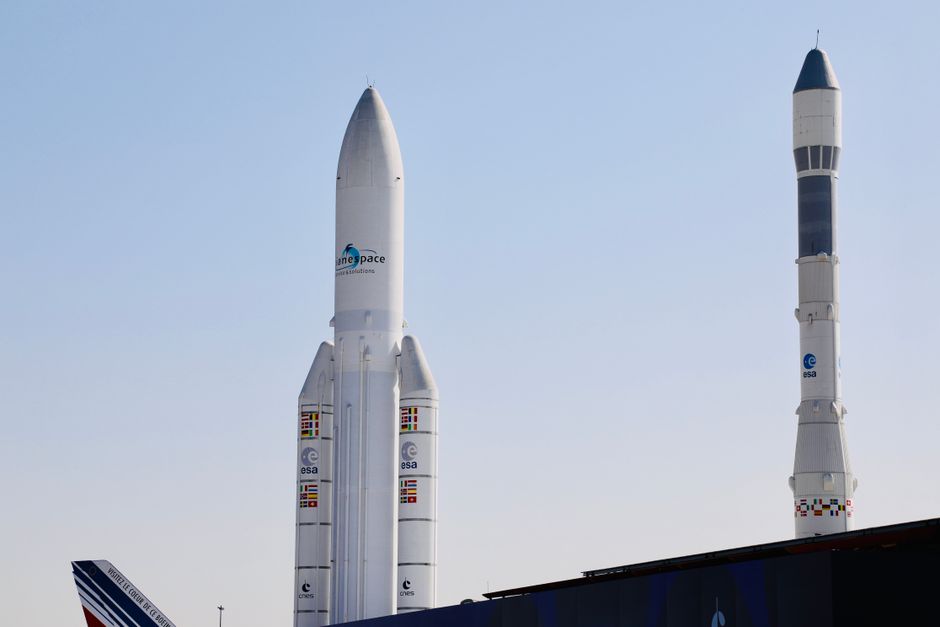
China’s space industry reached a major milestone with the successful landing of a reusable rocket by a domestic start-up. This event happened on August 19, 2026. It places the company alongside giants like SpaceX and Blue Origin, highlighting rapid advancements in reusable rocket technology.
This achievement showcases China’s growing aerospace capabilities. It also hints at a shift in the economics of space exploration. Reusable rockets can significantly lower launch costs, allowing for more frequent and affordable space missions. This breakthrough could attract more investments in aerospace innovation and create job opportunities in the sector.
Impact of Reusable Rocket Technology on Launch Costs
The successful landing of a reusable rocket has major implications for launch costs. Traditionally, sending payloads into space has been very expensive. However, reusable technology can reduce these costs significantly. Career Ahead’s analysis shows that reusable rockets can cut access costs to space by up to 30%. This makes it easier for more companies to join space exploration.
This cost reduction is crucial for smaller companies and emerging nations. As launch costs drop, we may see a rise in satellite launches, research missions, and even space tourism. More frequent launches could lead to a vibrant and competitive aerospace market. For example, the recent success of the Chinese start-up is similar to SpaceX’s Falcon 9, which changed the industry with its reusable first stage. These examples highlight the transformative potential of this technology.
This shift will require new skills, prompting educational institutions to update their programs.
Furthermore, using reusable rocket technology encourages innovation in design. Engineers must rethink traditional rocket construction to improve durability and reusability. This shift will require new skills, prompting educational institutions to update their programs. The demand for specialized training in materials science and propulsion systems is expected to grow as companies refine their designs.
 Industry & Global Trends
UK Firms Seek More Staff for First Time in Two Years, REC Says
UK firms are increasing hiring for the first time in two years, signaling a recovery in the job market as companies respond to operational needs.
Read More →Additionally, the economic benefits of reusable rockets could foster partnerships between established aerospace companies and new start-ups. A report on www.bing.com highlights how collaboration in research and development can lead to rapid technological advancements. This could result in breakthroughs that benefit the entire industry. Joint ventures and shared resources may speed up innovation, creating a more dynamic aerospace landscape.
Design Considerations for Future Reusable Rockets
As the aerospace industry adopts reusable rocket technology, design considerations are changing. Engineers must focus on materials that endure multiple launches and re-entries. They also need systems that allow for quick turnarounds between flights. The recent success of the Chinese start-up illustrates how innovative designs can improve the sustainability of space missions.
One key design aspect is ensuring rockets operate efficiently under various conditions. This means developing engines that perform reliably at different altitudes and atmospheric pressures. Career Ahead research shows that engineers specializing in propulsion systems will be in high demand as companies refine these components. Robust testing protocols and simulations will also be essential to minimize risks associated with reusability.
As the industry becomes more collaborative, professionals with cross-disciplinary skills will be well-positioned to lead these initiatives.
Moreover, developing smart technologies is increasingly important in rocket design. Advanced sensors and AI-driven systems can improve safety and efficiency. Engineers must work closely with software developers to create integrated systems that optimize performance. This trend is evident in the growing focus on data analytics and machine learning in aerospace, which can enhance operational efficiencies and predictive maintenance.
 Industry & Global Trends
Agarwal Says India Can Attract Data Centre Investment
Agarwal cites data-centre construction costs around half the US and Europe level, renewable energy, a 1.5 billion population and coastline.
Read More →The implications extend beyond engineering roles. There is also a rising need for project managers and systems engineers who can manage the complexities of developing reusable rockets. As the industry becomes more collaborative, professionals with cross-disciplinary skills will be well-positioned to lead these initiatives. Integrating diverse expertise will be crucial to navigate the challenges of rapid technological evolution in aerospace.
Furthermore, as global space exploration becomes more competitive, the success of the Chinese start-up could lead to new partnerships in the aerospace sector. As reusable technology becomes mainstream, companies worldwide may seek to collaborate with Chinese firms to leverage their advancements. This trend could create a more interconnected global aerospace community, fostering innovation and knowledge sharing across borders.
Additionally, the growing interest in reusable rockets may attract investment from both private and public sectors. Governments aiming to enhance their space capabilities might fund partnerships with innovative start-ups, as seen with the Chinese initiative. Such collaborations can accelerate technological advancements and create job opportunities in various regions. International cooperation in space exploration could also establish new regulatory frameworks that ensure safety and sustainability in this rapidly evolving field.
In summary, advancements in reusable rocket technology reshape the aerospace industry and create ripple effects across various sectors. As new players enter the market, the dynamics of space exploration will continue to change, presenting challenges and opportunities for professionals. The landscape of space exploration is poised for transformation. With the rise of reusable rockets, how will the aerospace sector adapt, and what new innovations will emerge in the coming years?
They will need to adapt to new materials and technologies that enhance reusability, increasing demand for specialized skills.
A recent article from the New York Times notes that the implications of this technological leap extend beyond cost savings. They signal a new era of accessibility and innovation in space travel, potentially redefining humanity’s relationship with the cosmos.
Frequently Asked Questions
What does the success of reusable rockets mean for aerospace engineers?
The success of reusable rockets opens new opportunities for aerospace engineers, especially in design and propulsion systems. They will need to adapt to new materials and technologies that enhance reusability, increasing demand for specialized skills.
How can rocket designers adapt to new technologies in reusable rockets?
Rocket designers can adapt by focusing on innovative materials and smart technologies that improve efficiency and safety. Collaboration between engineers and software developers will be crucial for creating integrated systems in future rockets.
 Industry & Global Trends
Tech Layoffs Near 196,000 Globally in 2026
Nearly 196,000 tech professionals were laid off globally by late October 2026. May saw about 29,000 jobs eliminated in a single month.
Read More →
What should aerospace engineers focus on to stay relevant in the evolving space industry?
Aerospace engineers should develop expertise in reusable rocket technology and advanced propulsion systems. Understanding the economic implications of these advancements will also be vital for future career opportunities.
Written by Career Ahead AI. AI can make mistakes, so verify key facts. Report errors to support@careeraheadonline.com.