UK tile manufacturers are grappling with significant challenges, including rising costs of clay and energy, as they compete with modern production methods. The traditional craftsmanship that has defined the industry for centuries is now at risk, prompting a reevaluation of practices and consumer demands.
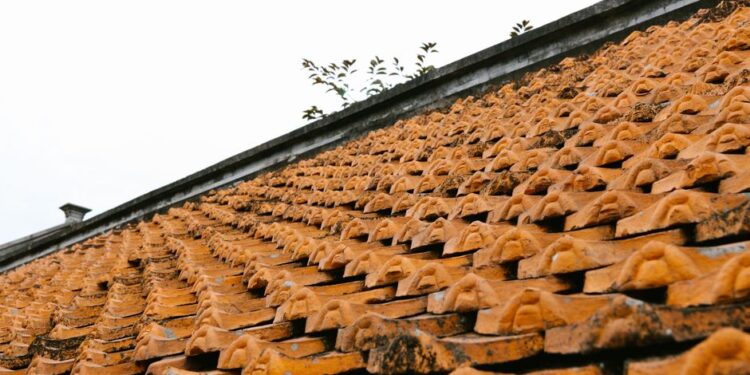
Recent reports highlight the struggles of tile makers like William Blyth, a company with a legacy dating back to 1840. Based in Barton-upon-Humber, they continue to produce handmade pantiles but face increasing economic pressures. Rising energy prices, which can account for a third of production costs, compel manufacturers to rethink their operations and strategies.
Economic Strain on Traditional Tile Makers
The UK ceramics industry is under strain due to escalating costs. The Construction Products Association reports a surge in energy prices, exacerbated by geopolitical tensions affecting global supplies. This environment makes it challenging for traditional manufacturers to maintain competitive production levels and pricing.
According to the Roof Tile Association, production in the clay roof tile sector has declined from approximately 4.5 million square meters in 2021 to just over 3 million in 2025. This drop illustrates the impact of rising costs and competition from cheaper imports. As companies like Denby Pottery close permanently, the future of traditional tile-making appears uncertain.
Smaller manufacturers are particularly vulnerable, struggling to absorb rising costs as easily as larger firms. Many traditional companies find it difficult to survive in an environment that favors modern production methods for their efficiency and lower costs. For instance, the transition to fully electric kilns requires substantial investment, which many smaller manufacturers cannot afford.
As companies like Denby Pottery close permanently, the future of traditional tile-making appears uncertain.
Innovation and Adaptation in the Industry
While the shift to modern production methods presents challenges, it also offers opportunities. Wienerberger is investing £37 million to develop the first fully electric tunnel kiln for clay roof tiles, aiming to reduce carbon emissions and energy costs. However, smaller manufacturers that rely on traditional methods may find this modernization difficult.
As smaller firms struggle, they are exploring innovative ways to sustain operations. For example, William Blyth has diversified its offerings by adding a garden center and café to attract more customers and create additional revenue streams. This trend of diversification is becoming common as manufacturers seek to offset losses from traditional tile sales.
Nifty 50 companies are projected to achieve strong double-digit growth in Q2 2023, driven by key sectors like automobiles, banking, and oil, amidst a recovering…
With sustainability becoming increasingly important, consumers are favoring environmentally friendly products. Traditional manufacturers must adapt to meet these expectations, pushing them to explore sustainable materials and processes. Integrating eco-friendly practices is not just a trend but a necessity for survival in today’s market.
Technology’s Role in Craft Preservation
Amid rising costs and competition, technology could play a crucial role in preserving traditional tile-making practices. Innovations in production techniques can help manufacturers maintain their unique offerings while improving efficiency. Digital tools for design and production can enhance the quality and consistency of tiles.
The workforce must possess the skills to operate advanced machinery, which can be particularly challenging for smaller firms.
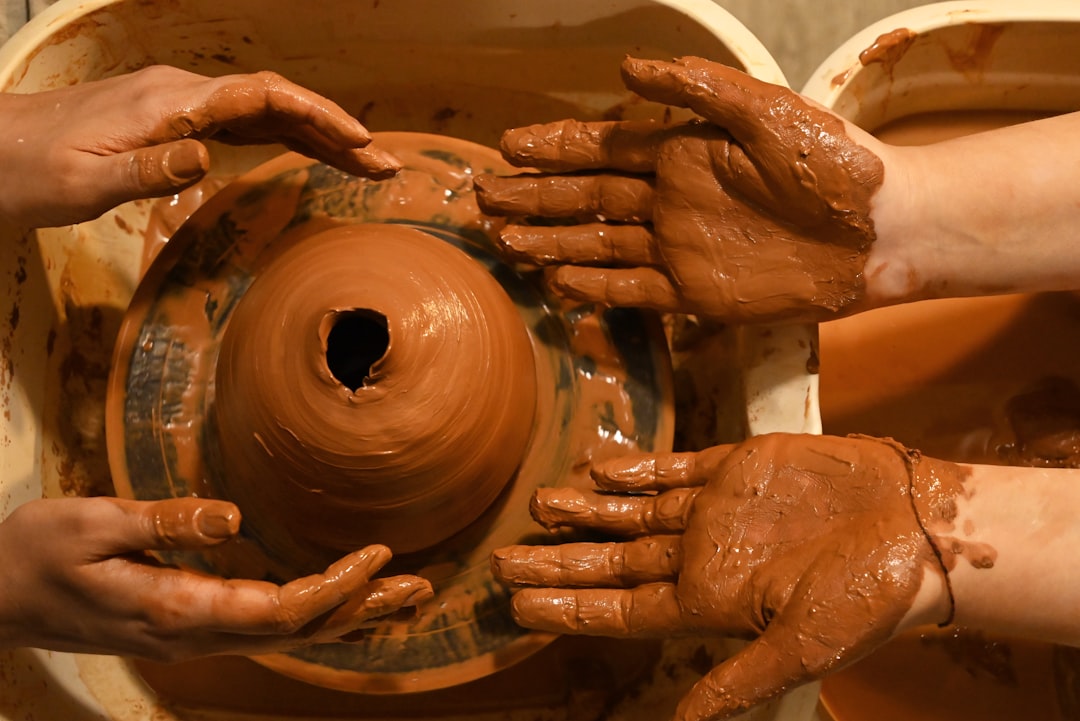
Integrating technology does not mean abandoning traditional methods; rather, it can complement them. Some artisans are using technology to enhance their craft, allowing them to produce tiles that retain the character of handmade products while appealing to modern consumers. This blend of tradition and innovation may be key to survival for many artisans.
Investing in technology can also help manufacturers reduce waste and energy use, aligning with sustainability goals. However, this transition requires retraining staff and adapting to new production methods. The workforce must possess the skills to operate advanced machinery, which can be particularly challenging for smaller firms.
Future Prospects for Tile Manufacturing
The future of tile manufacturing in the UK will likely depend on traditional artisans blending their craftsmanship with modern technology. This partnership could ensure that the rich heritage of tile-making continues while meeting contemporary demands. As the industry faces these challenges, the question remains: can traditional tile manufacturers adapt quickly enough to survive in a competitive market? The next few years will be critical for this historic craft.
As the landscape of tile manufacturing evolves, the resilience and adaptability of these manufacturers will be tested. Integrating sustainable practices and modern technology could determine who thrives and who falters in this changing environment.
Frequently Asked Questions
What are the current trends in tile manufacturing?
Current trends in tile manufacturing include a shift towards sustainability, with many manufacturers exploring eco-friendly materials and production methods. There is also a growing interest in technology integration to enhance efficiency and product quality.
Tile manufacturers should focus on understanding customer preferences, embracing sustainability, and integrating technology into their production processes.
China's efforts to attract foreign AI researchers are hampered by salary disparities, job security concerns, and geopolitical tensions with the U.S., which continues to dominate…
Ceramic artisans can adapt to rising costs by diversifying their product offerings and exploring innovative production techniques. Investing in technology for more efficient manufacturing processes may also be necessary.
What should tile manufacturers do to remain competitive in the market?
Tile manufacturers should focus on understanding customer preferences, embracing sustainability, and integrating technology into their production processes. By doing so, they can differentiate their products and appeal to a broader audience.



 Industry & Global Trends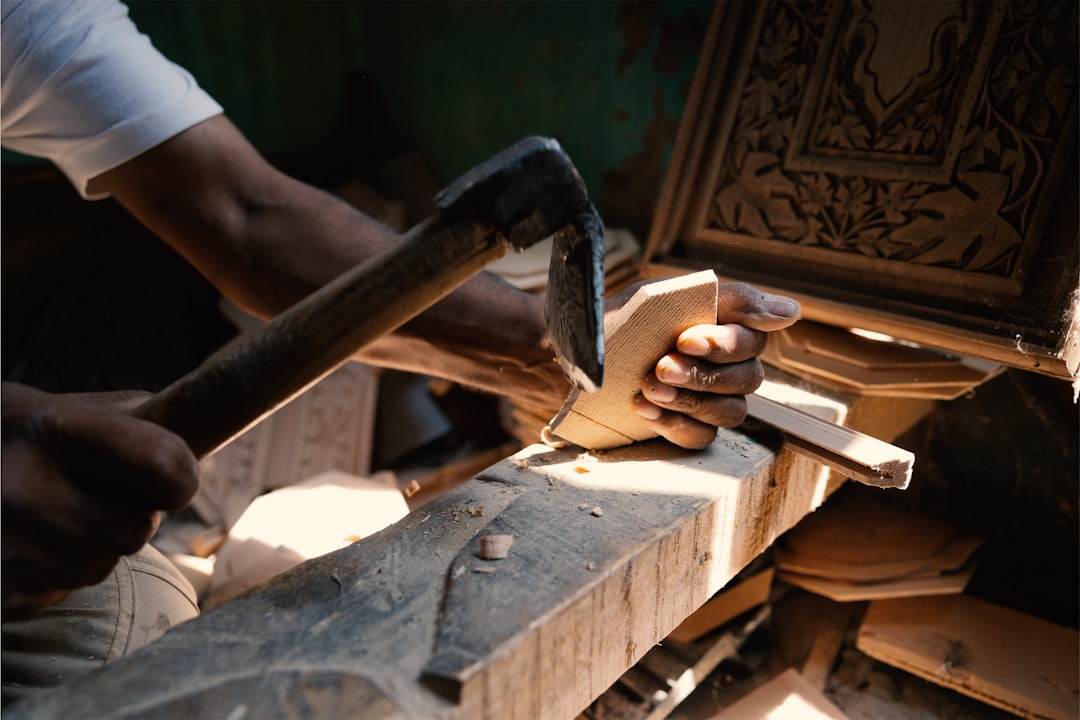
Industry & Global Trends