No products in the cart.

Climate Change and Migration: A New Era of Displacement
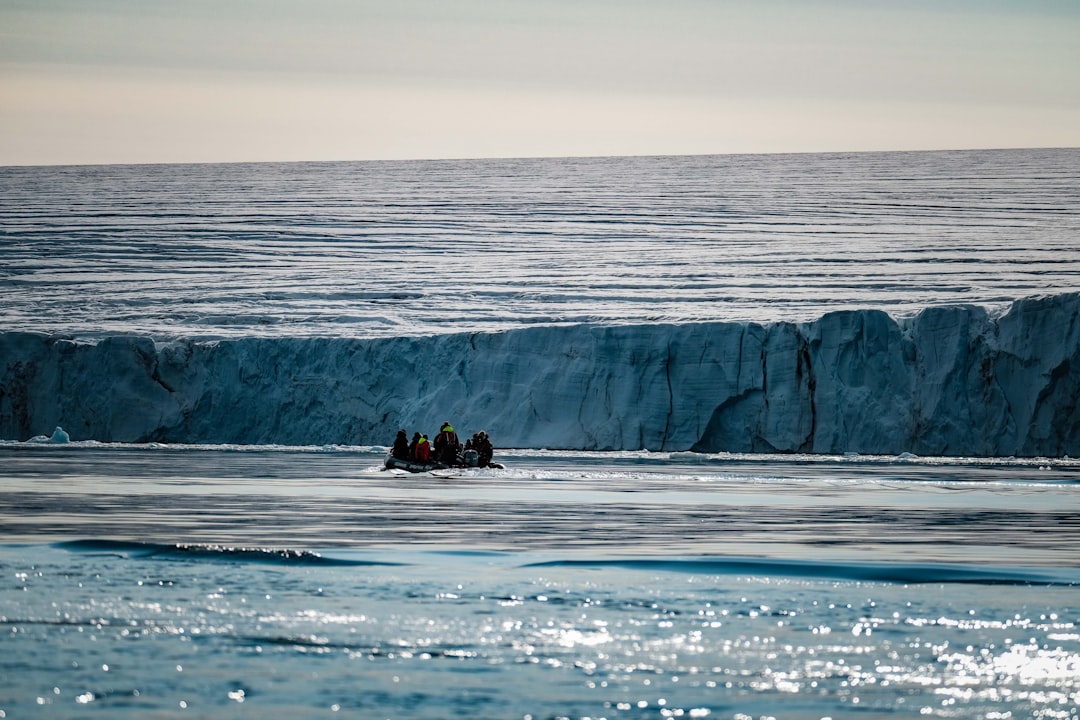
Climate change is reshaping global migration patterns, prompting urgent policy responses. This feature analyzes the implications for countries and communities.

Bangkok, Thailand — Climate change is no longer a distant threat; it is a present reality reshaping migration patterns across the globe. As extreme weather events become more frequent and severe, millions are being forced to leave their homes. The United Nations estimates that by 2050, climate change could displace over 200 million people worldwide, raising urgent questions about how nations will respond to this unprecedented challenge.
Understanding the implications of climate-induced migration is crucial for policymakers, businesses, and communities alike. As countries grapple with rising sea levels, droughts, and increased storm intensity, the need for effective migration policies has never been more pressing. This issue transcends borders, affecting economies, labor markets, and social structures globally.

Climate change acts as a “threat multiplier,” exacerbating existing vulnerabilities, particularly in developing nations. According to the World Bank, regions like sub-Saharan Africa, South Asia, and Central America are among the most affected, where agricultural dependency and lack of infrastructure make populations particularly susceptible to climate impacts. For instance, the 2020 drought in East Africa displaced an estimated 1.5 million people, highlighting the immediate human cost of environmental degradation.
 Business
U.S. Automakers Face New Challenges in Canada
U.S. automakers are encountering significant challenges that are now affecting the Canadian auto industry, leading to new trade dynamics and…
Read More →The dynamics of migration are shifting. Traditionally, migration has been viewed as a voluntary choice driven by economic opportunities. However, climate change is altering that narrative. Increasingly, people are migrating not for better jobs but to escape environmental disasters. The 2021 IPCC report underscored that climate change is already affecting human mobility, leading to a rise in “climate refugees.” This term refers to individuals who are forced to leave their homes due to sudden or gradual environmental changes.
Countries are beginning to recognize the need for policy frameworks that address climate-induced migration.
Countries are beginning to recognize the need for policy frameworks that address climate-induced migration. The European Union, for example, has started to integrate climate considerations into its migration policy. In 2020, the EU launched the Global Climate Change Alliance Plus initiative, which aims to support developing countries in adapting to climate change while managing migration flows. Similarly, the United States has proposed new policies to support climate resilience in vulnerable regions, acknowledging the link between climate change and migration.
However, the response remains fragmented. Many nations still lack comprehensive strategies to address the complexities of climate migration. Legal frameworks often do not recognize climate refugees, leaving many without protection or support. This gap in policy creates vulnerabilities for displaced populations, who may face discrimination and limited access to resources in host countries.
Moreover, the economic implications of climate migration are profound. A report from the International Organization for Migration indicates that labor shortages may occur in regions experiencing high out-migration due to climate impacts, while host countries may struggle to integrate new arrivals. This dynamic can lead to social tensions and economic instability if not managed proactively.
 Career Advice
Navigating the Future: Career Strategies for Young Ghanaian Professionals
This guide offers young Ghanaian professionals key skills and strategies to navigate their careers effectively in 2026.
Read More →Looking ahead, businesses must adapt to these changing realities. Companies that rely on stable labor markets should consider the impacts of climate change on their workforce. Investing in sustainable practices and supporting community resilience can enhance corporate responsibility while also securing their supply chains against climate-related disruptions.
Educational institutions also play a critical role in preparing future leaders to navigate these challenges. By integrating climate education into curricula, schools can equip students with the knowledge and skills needed to address the complexities of climate migration. This proactive approach can foster a generation of innovators and problem-solvers who are prepared to tackle the interconnected issues of climate change and migration.
Looking ahead, businesses must adapt to these changing realities.
As climate change continues to reshape migration patterns, the global community must collaborate to develop comprehensive and inclusive policies. This collaboration should prioritize the needs of vulnerable populations while promoting sustainable development practices. The challenge is significant, but the opportunity for innovation and leadership in addressing climate-induced migration is equally profound. Engaging all stakeholders—governments, businesses, and civil society—is essential to create resilient communities capable of withstanding the impacts of climate change. What steps will your community take to prepare for this potential wave of migration?