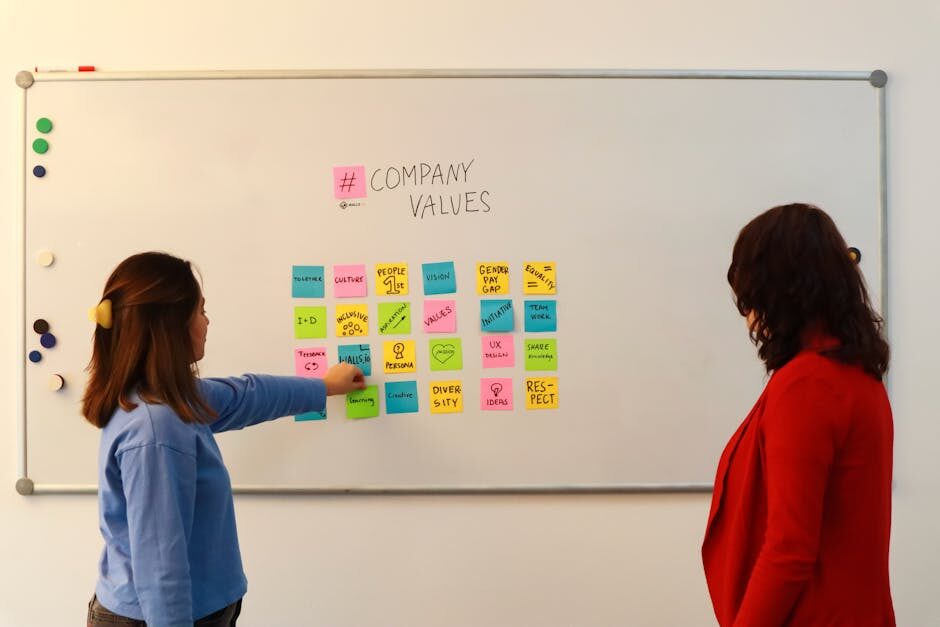
Europe’s tech sector is growing rapidly, outpacing many regions. Recent news about OpenAI’s new financial tools shows how AI is becoming integral to European markets. However, women remain significantly under-represented in the jobs that will shape this future.
Surveys show that women hold only a small percentage of technical roles in the EU, particularly in software development and data science, where men dominate. This imbalance leads to fewer mentorship opportunities, less visibility for women’s achievements, and a talent pipeline that ignores half the population.
The gender gap also affects pay and career advancement. Women in technical roles often earn less than their male counterparts, and the gap widens at senior levels. The lack of women in leadership roles further perpetuates a cycle where decisions about technology are made without diverse perspectives.
Barriers Women Face in AI and Tech Fields
Lack of Visible Role Models
Young professionals often seek role models who reflect their experiences. In Europe’s tech scene, female role models are scarce, making many women doubt the feasibility of a long-term career in AI or software engineering.
Algorithmic Bias in Recruitment
AI hiring tools aim for efficiency but can reinforce existing biases. These systems often rely on historical data that reflects a male-dominated workforce, leading to the exclusion of qualified women.
Access to Education and Continuous Learning Technical skills increasingly require ongoing education through bootcamps and online courses.
Access to Education and Continuous Learning
Technical skills increasingly require ongoing education through bootcamps and online courses. However, women often face barriers to accessing these resources due to time constraints, lack of support, or cultural expectations. This creates a widening skills gap in high-growth AI roles.
Workplace Culture and Retention
Even when women secure technical jobs, workplace environments can be unwelcoming. Biases, exclusion from networks, and inflexible policies lead to higher turnover among female engineers, making retention a significant challenge.
Strategies to Empower Women in Technology
Championing Leadership Diversity
Companies that promote women to leadership roles see measurable benefits. Diverse teams make better product decisions and foster inclusive cultures. Setting clear gender representation targets sends a strong message that talent, not gender, drives advancement.
HackerRank's AI interviewer, Chakra, is transforming recruitment by streamlining the hiring process and emphasizing critical thinking and problem-solving skills in candidates.
Mentorship programs that connect emerging female technologists with experienced leaders help develop skills and navigate careers. Formal networks provide platforms for sharing experiences and accessing job markets, boosting confidence and retention.
Bias-Aware Recruitment Practices
To combat algorithmic bias, organizations should audit their AI hiring tools regularly. Implementing blind résumé reviews and diversifying training data can help ensure merit drives candidate selection.
Structured Mentorship and Networking Mentorship programs that connect emerging female technologists with experienced leaders help develop skills and navigate careers.
Investing in Accessible Education
Public-private partnerships that fund scholarships and coding bootcamps can help women gain access to technical training. Initiatives that integrate technical education into secondary schools, especially in under-represented regions, will build a more balanced workforce.
Fostering Inclusive Workplace Policies
Flexible work arrangements, equitable parental leave, and clear promotion criteria are vital for retaining female talent. Companies that adopt these policies attract a broader range of applicants who value work-life balance.
Digital Tools and Resources Accelerating Change
The digital age offers tools to create a more level playing field. MOOCs provide affordable ways to learn coding and data science, while online communities connect women for support and collaboration. Platforms that match mentors with mentees streamline guidance for aspiring technologists.
AI tools can also help identify and address gender disparities. Analytics dashboards that track hiring patterns and pay equity empower HR leaders to act when imbalances arise.
Strategic Perspective: Toward a Balanced Tech Future
Closing Europe’s gender gap in tech is essential for innovation and competitiveness. A balanced workforce reflects diverse consumer needs and strengthens the continent’s position in the global AI landscape. Policymakers, educators, and industry leaders must work together to set ambitious representation targets, check biases in AI systems, expand accessible education, and create inclusive cultures where all technologists can thrive.
Policymakers, educators, and industry leaders must work together to set ambitious representation targets, check biases in AI systems, expand accessible education, and create inclusive cultures where all technologists can thrive.
New York City's school system remains one of the most segregated in the U.S. City leaders are now pushing for integration, but advocates emphasize the…
As AI transforms industries, Europe must close the gender gap. The next wave of technology will be shaped by those who create it, and ensuring women have equal opportunities will determine the continent’s future.





 AI & Technology
Education & University Insights