No products in the cart.

Columbia’s Response to Epstein’s Scandal
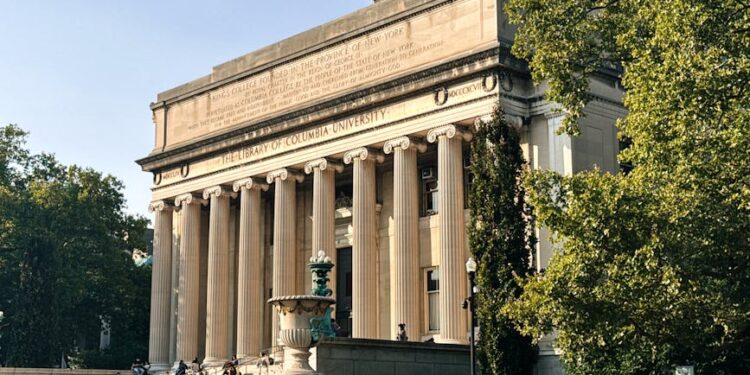
Columbia University has taken action against staff involved in a scandal linked to Jeffrey Epstein. This decision raises questions about academic admissions and integrity.

Columbia University is facing significant scrutiny following its decision to punish two staff members for their involvement in helping Jeffrey Epstein’s girlfriend gain entry into its dental college. This incident has sparked discussions about the integrity of academic admissions processes and the broader implications for educational institutions. As the news unfolds, it’s crucial for both current and prospective students to understand how these developments could impact their educational journeys.
The actions taken by Columbia come in the wake of the release of documents related to Epstein, revealing that he played a role in facilitating the admissions of his girlfriend, Shuliak. The university’s disciplinary measures against the two staff members signal a commitment to maintaining ethical standards in its admissions processes. This decision is particularly relevant now, as many universities are grappling with the fallout from similar scandals.
In light of this event, students and educators alike are left wondering about the integrity of admissions systems across the nation. The implications of this case extend beyond Columbia, raising questions about how institutions can ensure fairness and transparency in their processes. This situation serves as a reminder of the importance of ethical conduct in academia and the potential repercussions of failing to uphold these standards.
Columbia’s Decision: A Step Towards Accountability
Columbia University’s recent actions can be seen as a proactive step towards accountability in higher education. The university has stated that it will not tolerate unethical practices, especially those that undermine the admissions process. According to a report from The New York Times, the university has emphasized its commitment to integrity, stating that it will take appropriate measures against any staff members who violate its policies.
Moreover, the fact that Columbia is addressing this issue head-on could set a precedent for other institutions. As more details about Epstein’s connections to various universities emerge, it becomes increasingly important for educational institutions to reassess their admissions policies and ensure that they are not susceptible to manipulation by influential individuals.
In light of this event, students and educators alike are left wondering about the integrity of admissions systems across the nation.
Additionally, this incident has sparked a broader conversation about the role of privilege in education. Many students feel that the admissions process is often skewed in favor of those with connections or resources. Columbia’s decision to punish those involved in this scandal may encourage other universities to take similar actions and reinforce their dedication to equitable admissions practices.
You may also like
 Education & University Insights
Chambal ‘Baaghi’ Legacy to IIT and Global Career Success
Dev Prabhakar Singh Tomar's journey from a Chambal village to securing AIR 629 in the UPSC Civil Services Examination exemplifies resilience and determination among Indian…
Read More →
Implications for Future Admissions Policies
The fallout from this scandal may have significant implications for admissions policies at universities across the United States. As institutions strive to maintain their reputations, they may implement stricter guidelines and oversight mechanisms to prevent similar incidents from occurring. For students, this could mean a more transparent and fair admissions process in the long run.
Furthermore, prospective students should be aware of the evolving landscape of college admissions. As universities become more cautious about their admissions practices, applicants may need to focus more on demonstrating their qualifications and less on leveraging connections. This shift could lead to a more merit-based system, which is beneficial for students who may not have the same resources as their peers.
In the next few months, we may see universities across the country reevaluating their admissions criteria and policies to ensure they align with ethical standards. This could include increased transparency in the selection process and enhanced scrutiny of applicants with connections to influential figures.

Furthermore, prospective students should be aware of the evolving landscape of college admissions.
- Stay informed: Keep track of changes in admissions policies at your desired institutions and understand how they may affect your application.
- Focus on merit: Highlight your achievements, skills, and experiences in your applications to stand out as a candidate.
- Engage with admissions offices: Reach out to universities to ask questions about their admissions processes and express your interest in their programs.
However, experts warn that while Columbia’s actions are commendable, they may not be enough to address the systemic issues in higher education admissions. A recent report from The Daily Beast suggests that many institutions still prioritize connections over merit, and without a broader cultural shift, isolated incidents like this will not lead to meaningful change.
The Future of Academic Integrity in Admissions
The recent actions taken by Columbia University could mark a turning point for academic integrity in admissions processes. As universities face increasing pressure to uphold ethical standards, we may witness a transformation in how admissions decisions are made. The emphasis on transparency and accountability is likely to grow, as institutions seek to rebuild trust with students and the public.
You may also like
 News
NewsAnup Bagchi Takes Charge as HDFC Bank MD & CEO
Anup Bagchi, with over three decades in financial services, is set to lead HDFC Bank starting October 27, 2026, following the retirement of Sashidhar Jagdishan.
Read More →In the coming years, it will be important for prospective students to remain vigilant and advocate for fair admissions practices. As the landscape of higher education continues to evolve, students should consider how these changes may impact their educational opportunities. Will universities take significant steps to ensure integrity, or will the influence of privilege continue to shape admissions decisions?