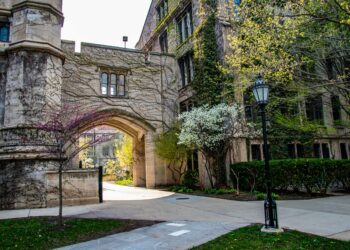
Students at Jadavpur University protested against alleged religious bias following an incident during exams. This controversy raises questions about campus inclusivity and student rights.
Kolkata, India — A significant controversy has erupted at Jadavpur University following allegations of religious bias during an examination. The incident involved an invigilator asking a female student wearing a hijab to assist in checking another student for potential cheating. This incident has sparked widespread protests among students who claim it reflects a deeper issue of Islamophobia within the university. The situation raises important questions about inclusivity and the treatment of minority communities in educational institutions.
The protest was ignited during the university’s annual convocation when two students displayed a poster reading, “There is no place for Islamophobia at Jadavpur University.” This act of defiance came after a third-year undergraduate student reported feeling targeted during an English semester exam. The student alleged that the invigilator requested her to help remove the hijab of a classmate to check for hidden wireless headphones. Although the search revealed no suspicious items, the incident left many feeling uncomfortable and marginalized.
Faculty members have denied the allegations of Islamophobia, stating that the checks were part of a broader effort to combat cheating. A senior professor from the English department explained that vigilance was heightened due to previous incidents of students attempting to cheat during exams. They emphasized that the procedure was applied uniformly and was not intended to target any specific group. The professor noted, “If anyone’s conduct seemed suspicious, re-checking was carried out. At least four examinees were caught using headphones last week, none of whom belonged to the minority community.”
Despite these explanations, the students involved in the protest maintain that the actions of the invigilator were unjustified and discriminatory. One of the protesting students stated, “We protest such conduct against our junior classmate which hurt her sentiments. We did not create a ruckus but thought such conduct is unthinkable in a place like JU known for its liberal and secular views.” This sentiment reflects a growing concern among students about the need for a more inclusive environment that respects diverse identities.
The Indian Railways is seeing a financial turnaround, generating surplus revenue and creating job opportunities. What does this mean for future job seekers?
Read More →
A senior professor from the English department explained that vigilance was heightened due to previous incidents of students attempting to cheat during exams.
Understanding the Impact on Campus Culture
The incident at Jadavpur University is not an isolated case but rather part of a broader trend of increasing scrutiny regarding religious identity in educational settings. Students across India have been vocal about their experiences with discrimination, leading to calls for greater awareness and sensitivity from faculty and administration. The university’s reputation for being a bastion of liberal thought is now being questioned as students demand accountability and reform.
These protests highlight a critical intersection of education and social justice, where students are standing up for their rights and the rights of their peers. The implications of this controversy extend beyond Jadavpur University, as it prompts other institutions to evaluate their policies and practices regarding inclusivity and diversity. As students increasingly take a stand against perceived injustices, universities must adapt to foster an environment where all individuals feel safe and respected.
Moreover, the backlash from the incident could lead to significant changes in how examinations are conducted. Educational institutions may need to reconsider their approaches to monitoring exams, ensuring that they do not inadvertently target specific groups. The challenge lies in balancing the need for academic integrity with the imperative of maintaining a respectful and inclusive atmosphere for all students.
Steps for Promoting Inclusivity in Education
In light of the controversy at Jadavpur University, there are several actionable steps that both students and institutions can take to promote inclusivity and prevent future incidents:
Engage in Dialogue: Universities should facilitate open discussions about diversity and inclusion, allowing students to voice their concerns and experiences. This can help build understanding and empathy among the student body.
Implement Training Programs: Faculty and staff should undergo training on cultural sensitivity and bias to better understand the diverse backgrounds of their students. This can equip them with the tools needed to navigate complex situations thoughtfully.
Review Examination Policies: Institutions must assess their examination monitoring practices to ensure they are fair and do not disproportionately affect any group. Creating transparent guidelines can help maintain academic integrity while respecting student dignity.
Support Student Initiatives: Encouraging student-led organizations focused on diversity can empower students to advocate for their rights and foster a sense of belonging within the campus community.
China's commitment to fiscal support in 2026 signals a strategic approach to stimulate growth amidst global challenges. This analysis explores the implications for investors and…
However, some experts caution that while addressing these issues is crucial, it is essential to maintain academic standards. A senior educator noted, “While we must ensure that all students feel safe, we also have a responsibility to uphold the integrity of examinations. Striking a balance between these two priorities is vital for the credibility of educational institutions.”
Steps for Promoting Inclusivity in Education
In light of the controversy at Jadavpur University, there are several actionable steps that both students and institutions can take to promote inclusivity and prevent future incidents:
The Future of Inclusivity in Higher Education
The controversy at Jadavpur University serves as a wake-up call for educational institutions across India. As students become increasingly vocal about their rights and experiences, universities must adapt to meet the needs of a diverse student population. The ongoing dialogue surrounding inclusivity will likely shape the future of higher education in India.
As institutions strive to create environments that respect and celebrate diversity, they must also be prepared to face challenges and resistance. The path forward will require commitment from both students and faculty to foster a culture of understanding and respect. Will universities rise to the occasion and embrace these changes, or will they continue to grapple with issues of bias and discrimination?


Business
Business Strategy