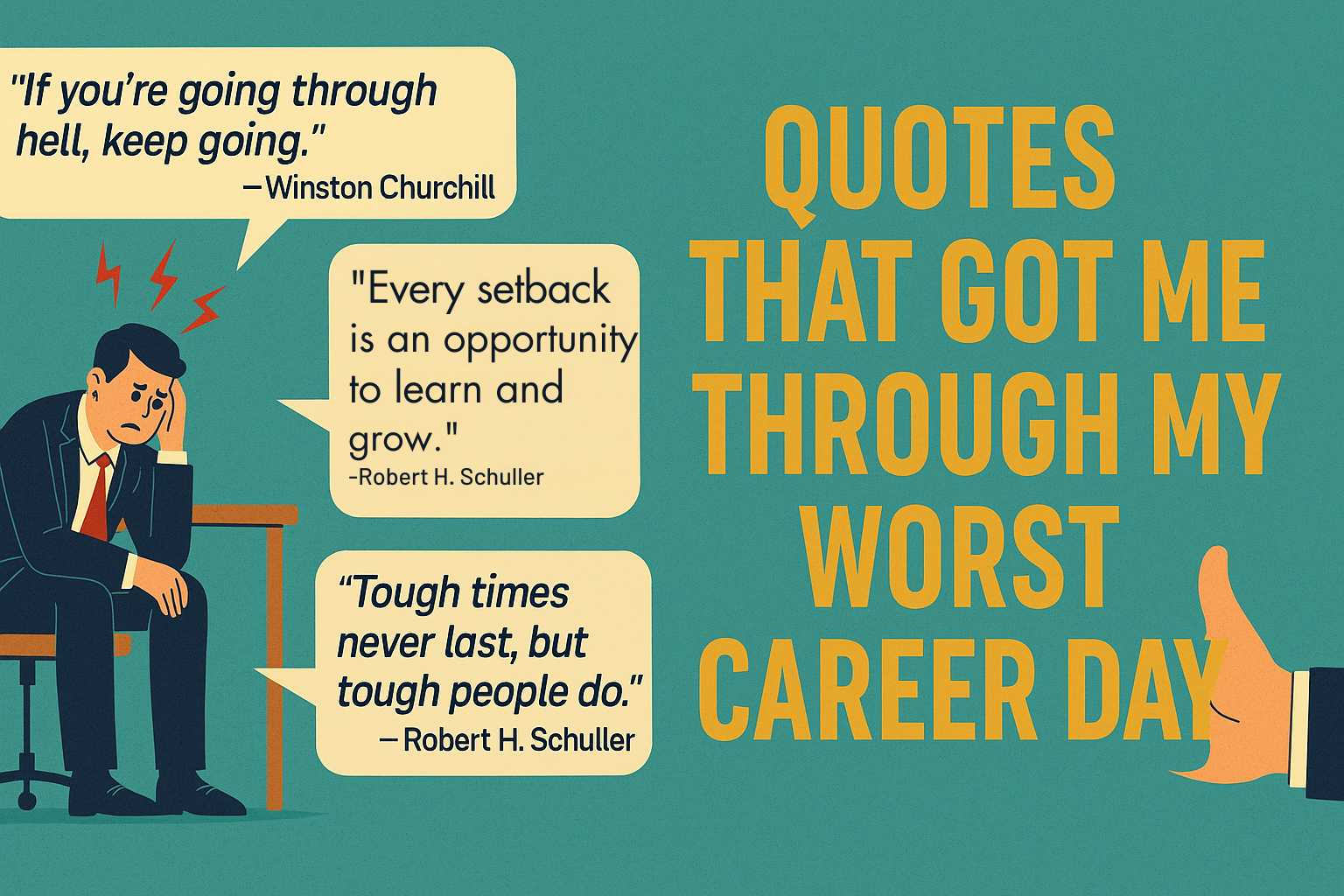
C.E.O.s Focus on Resilience
Corporate leaders are increasingly leaning into resilience as they navigate a landscape fraught with challenges. Recent insights reveal that C.E.O.s are adapting their strategies to ensure their organizations can withstand global shocks. According to a report from the New York Times, the ability to maintain calm and lead effectively during turmoil is becoming the norm for executives today.
As geopolitical tensions rise, including conflicts in regions like Iran, and economic pressures such as inflation, the demand for resilient leadership has never been higher. C.E.O.s are now expected to not only manage crises but also to anticipate and prepare for future disruptions. This proactive approach is crucial for maintaining operational continuity and employee morale.
Leadership resilience is not just about crisis management; it also involves fostering a culture that encourages adaptability and innovation. C.E.O.s are recognizing that their organizations must be agile to survive and thrive in an unpredictable environment. As companies pivot towards this mindset, they are investing in training and development initiatives that promote resilience across all levels of their workforce.
Shifting Corporate Strategies
The concept of resilience is reshaping corporate strategies worldwide. According to Accenture, organizations are rethinking their business models to incorporate resilience as a core principle. This shift involves integrating flexibility into supply chains and operations, enabling companies to respond swiftly to changing market conditions.
Moreover, the Manufacturing Leadership Council emphasizes that digital transformation plays a critical role in building resilience. Companies that leverage advanced technologies can enhance their operational efficiency and responsiveness. This technological edge allows firms to adapt more quickly to disruptions, whether they stem from economic downturns or natural disasters.
Moreover, the Manufacturing Leadership Council emphasizes that digital transformation plays a critical role in building resilience.
 Future Skills & Work
AI Agents Reshaping Job Markets, Leaders Respond
The integration of AI agents into various sectors is transforming job markets globally, prompting leaders to rethink workforce strategies and skill requirements. This shift raises…
Read More →As firms embrace these changes, they are also focusing on employee well-being. A resilient organization not only survives challenges but also supports its workforce through them. By prioritizing mental health and job satisfaction, C.E.O.s are fostering an environment where employees feel valued and engaged, which is essential for long-term success.
The Role of Leadership in Resilience
Leadership plays a pivotal role in cultivating a resilient corporate culture. C.E.O.s are tasked with modeling the behaviors and attitudes needed to navigate uncertainty. According to a study published on ScienceDirect, effective leaders demonstrate transparency and communication, which are vital during times of crisis.
Furthermore, leaders who empower their teams to contribute ideas and solutions foster a sense of ownership and accountability. This collaborative approach not only enhances team morale but also drives innovation. When employees feel their input is valued, they are more likely to engage fully with their work, leading to better outcomes for the organization.
In addition, leaders must be prepared to make tough decisions swiftly. The ability to pivot and adapt strategies in response to real-time data is essential. C.E.O.s who can balance decisiveness with empathy will likely emerge as the most effective leaders in this new landscape.

Impacts on Workforce Dynamics The focus on resilience is also reshaping workforce dynamics.
Impacts on Workforce Dynamics
The focus on resilience is also reshaping workforce dynamics. As companies invest in resilience training, they are simultaneously enhancing their talent management strategies. According to McKinsey, organizations that prioritize resilience are better positioned to attract and retain top talent.
Employees are increasingly looking for workplaces that offer stability and support. In an era where job security is uncertain, companies that demonstrate a commitment to their workforce’s well-being stand out. This commitment can take various forms, from flexible work arrangements to comprehensive mental health resources.
 Career Guidance
Jobless Claims Fall: New Hiring Strategies Emerge
The decline in US jobless claims to 196,000 suggests a tightening labor market. This shift is significant for HR professionals and job seekers, as it…
Read More →Moreover, as organizations adapt to new norms, they are recognizing the importance of diversity and inclusion in building resilience. A diverse workforce brings different perspectives and solutions to the table, making organizations more adaptable and innovative. C.E.O.s are now more aware than ever that inclusivity is not just a moral imperative but a business necessity.
Future Outlook: Resilience as a Competitive Advantage
Looking ahead, the integration of resilience into corporate strategies is likely to become a competitive advantage. As global challenges persist, companies that prioritize resilience will be better equipped to navigate uncertainties. The ability to respond quickly and effectively to crises will differentiate successful organizations from those that struggle.
Furthermore, as the business landscape evolves, C.E.O.s will need to continually assess and adjust their resilience strategies. This ongoing evaluation will require a commitment to learning and adaptation. Organizations that embrace this mindset will not only survive but also thrive in the face of adversity.
As more leaders recognize the importance of adaptability and employee engagement, the future of work will likely prioritize resilience as a fundamental pillar of success.

Ultimately, the emphasis on resilience reflects a broader shift in corporate culture. As more leaders recognize the importance of adaptability and employee engagement, the future of work will likely prioritize resilience as a fundamental pillar of success. The question remains: how will organizations continue to innovate and evolve their resilience strategies in an ever-changing world?
Why This Matters to You
The focus on resilience impacts everyone in the workforce. As companies adapt to new challenges, employees can expect more support and engagement from their leaders. This shift can lead to a more dynamic and fulfilling work environment.
 Career Guidance
NIT Calicut Graduate Transitions from Corporate Role to Indian Army
Athira Suresh's transition from a corporate role at ExxonMobil to the Indian Army reflects a growing trend among civil engineering graduates seeking purpose in their…
Read More →Written by Career Ahead AI. AI can make mistakes, so verify key facts. Report errors to support@careeraheadonline.com.