No products in the cart.

Coworking Spaces Surge as Remote Work Evolves
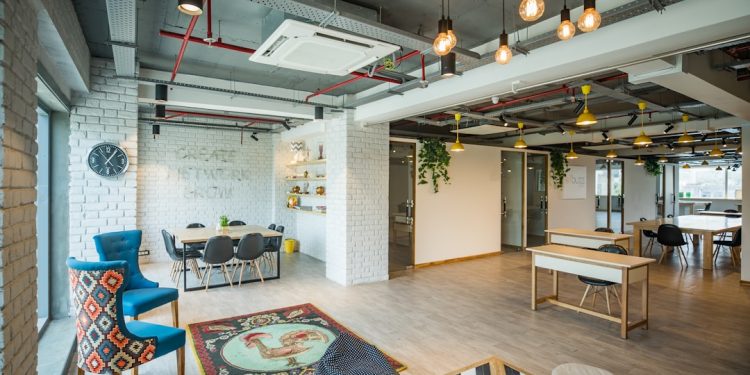
Coworking spaces are witnessing a surge in demand as remote work trends evolve. This shift is reshaping office landscapes and workforce expectations.

New York, USA — The landscape-in-india/” class=”ca-internal-link”>landscape of workspaces is undergoing a significant transformation as demand for coworking spaces continues to surge. As of november 2025, recent reports indicate that the global coworking market is expected to reach $13.03 billion, growing at a compound annual growth rate (cagr) of 13.2% from 2020 to 2025. this shift reflects broader changes in work dynamics, particularly as organizations reevaluate their real estate needs and employees increasingly favor flexible work arrangements.
this trend matters now because it highlights how businesses are adapting to a post-pandemic reality. companies are not only looking to cut costs but also to attract and retain talent by providing more flexible work options. The rise of coworking spaces represents a pivotal moment in the evolution of work culture, where collaboration and community are prioritized over traditional office hierarchies.
<figure class=”aligncenter”><img src="https://careeraheadonline.com/wp-content/uploads/2025/11/5921786.jpg" alt="Coworking Spaces surge as remote work Evolves” loading=”lazy” />
The emergence of coworking spaces has been accelerated by the COVID-19 pandemic, which forced many organizations to adopt remote work models. according to a report by global workplace analytics, 56% of employees now work remotely at least part-time, a significant increase from pre-pandemic levels. this shift has led to a reevaluation of how companies utilize office space, with many opting for short-term leases in coworking environments that offer flexibility and cost savings.
industry leaders are taking notice. WeWork, one of the largest providers of coworking spaces, reported a 20% increase in memberships in the first half of 2025 compared to the previous year. Similarly, IWG, which operates brands like Spaces and Regus, announced plans to expand its offerings by 30% across major urban centers globally. this trend is not limited to large corporations; small businesses and freelancers are also flocking to coworking spaces, seeking the networking opportunities and resources that these environments provide.
this trend is not limited to large corporations; small businesses and freelancers are also flocking to coworking spaces, seeking the networking opportunities and resources that these environments provide.
However, the rise of coworking spaces is not without its challenges. Critics argue that while flexibility is beneficial, it can also lead to isolation for some workers who thrive in traditional office environments. A survey by buffer found that 20% of remote workers struggle with loneliness, highlighting the importance of community and connection in the workplace. To address this, many coworking spaces are now emphasizing community-building initiatives, such as networking events, workshops, and social gatherings, to foster collaboration among members.
You may also like
 Entrepreneurship & Business
Marico Boosts Plix Stake to 84.09%; Q2 Revenue Surge Ahead
Marico has increased its stake in Satiya Nutraceuticals to 84.09%, a strategic move expected to enhance revenue growth amid rising consumer demand for health-focused products.…
Read More →Looking ahead, the future of coworking spaces appears bright yet complex. As businesses continue to navigate hybrid work models, the demand for flexible work environments is likely to persist. according to a survey by the international workplace group, 77% of employees expressed a preference for flexible work options, suggesting that coworking spaces will remain a vital component of workplace strategies moving forward.
As the coworking market evolves, technology will play an increasingly vital role. innovations such as advanced booking systems, virtual collaboration tools, and enhanced safety protocols will shape the future of these spaces. For instance, companies like LiquidSpace are leveraging technology to provide seamless booking experiences, while others are integrating smart building technologies to enhance safety and efficiency.
Ultimately, the rise of coworking spaces signals a shift in how we perceive work itself. As flexibility and community become central to the workplace experience, organizations will need to adapt to meet the needs of their employees. The success of coworking spaces lies not just in their physical offerings but in their ability to create environments that foster collaboration, creativity, and connection.
Looking ahead, the future of coworking spaces appears bright yet complex.
In a world where work-life balance is increasingly prioritized, the evolution of coworking spaces will likely set the tone for the future of work, redefining how businesses operate and how employees engage. As we move into 2026, the question remains: how will organizations leverage these flexible workspaces to enhance productivity and employee satisfaction?