No products in the cart.

Cracks are starting to form on fusion energy’s funding boom
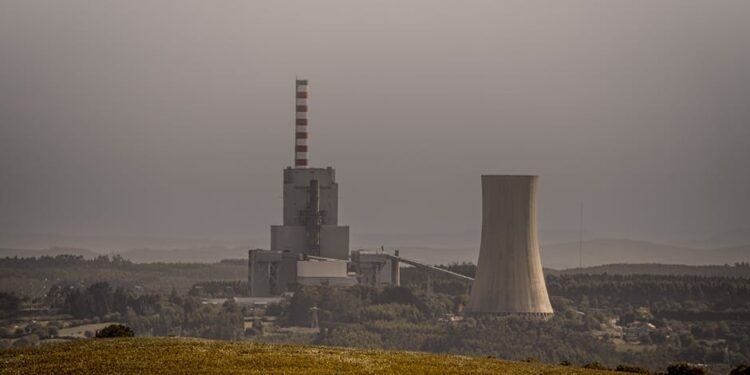
This divergence in perspectives was evident at The Economist’s Fusion Fest in London, where discussions centered on the timing of public offerings and the potential distractions posed by side businesses. As the fusion energy sector stands at a crossroads, the decisions made by these startups could have lasting implications for their future and the broader…

Fusion energy startups are experiencing a significant shift in their funding landscape. After raising an impressive $1.6 billion in the past year, concerns are surfacing about the sustainability of this financial momentum. As companies like TAE Technologies and General Fusion prepare to go public, differing opinions among investors and industry experts are revealing cracks in the once-unified vision of the fusion energy sector.
This divergence in perspectives was evident at The Economist’s Fusion Fest in London, where discussions centered on the timing of public offerings and the potential distractions posed by side businesses. While some investors see the public market as a necessary step for growth, others worry that these companies may be rushing into the spotlight without achieving critical milestones.
As the fusion energy sector stands at a crossroads, the decisions made by these startups could have lasting implications for their future and the broader energy landscape. The next few months will be crucial as these companies navigate their paths forward amidst rising scrutiny.
Investor Sentiment Shifts Amid Funding Boom
The recent funding boom in fusion energy has attracted significant attention from investors. However, as the excitement builds, so do concerns about the viability of these investments. TAE Technologies and General Fusion have both announced plans to merge with publicly traded companies, which could provide them with hundreds of millions of dollars to support their research and development efforts.
Despite the potential influx of cash, many industry insiders express skepticism about the timing of these moves. According to reports, investors are worried that these companies are going public too early, before reaching key milestones that demonstrate their technological progress. This sentiment reflects a broader concern that the rush to capitalize on the funding boom may overshadow the fundamental goals of fusion energy development.
As these companies prepare for their public offerings, they must balance the need for immediate funding with the long-term objectives of achieving scientific breakthroughs.
As these companies prepare for their public offerings, they must balance the need for immediate funding with the long-term objectives of achieving scientific breakthroughs. The pressure to deliver results could lead to hasty decisions that may jeopardize their core missions.
The Challenges of Achieving Scientific Breakeven
You may also like
 Entrepreneurship & Business
MSMEs Demand Action on Rising Steel and Metal Prices
Rising material costs have been a persistent issue for MSMEs, which are already grappling with higher prices for diesel, furnace oil, and LPG.
Read More →One of the critical milestones for fusion energy startups is achieving scientific breakeven, a point where a fusion reactor produces more energy than it consumes. According to TechCrunch, neither TAE Technologies nor General Fusion has yet reached this milestone, which is essential for demonstrating the feasibility of fusion as a viable energy source. Without it, investors may hesitate to fully back these companies as they transition to public entities.
The pressure to meet investor expectations can lead to a focus on short-term gains rather than long-term sustainability. Some startups are exploring side businesses to generate revenue while they work on their primary fusion projects. However, this strategy has sparked debate within the industry. While some see it as a smart move, others worry that diversifying too soon could distract from the main goal of developing a successful fusion reactor.
According to Newsbreak, Commonwealth Fusion Systems is optimistic about achieving scientific breakeven in the near future, which could provide a much-needed boost to investor confidence.

Future Implications for Fusion Energy
The current funding challenges facing fusion energy startups may have broader implications for the industry. As investors become more discerning, the pressure to deliver results will intensify. Companies that fail to meet expectations may find it increasingly difficult to secure funding in the future.
Some startups are exploring side businesses to generate revenue while they work on their primary fusion projects.
Moreover, the ongoing debate about the timing of public offerings and the pursuit of side businesses could shape the future of the sector. If companies prioritize immediate financial returns over scientific advancements, it could hinder the long-term progress of fusion energy technology.

As reported by Aetos, the decisions made by key players will determine the trajectory of fusion energy development. The coming months will be critical in answering the question: can these startups balance the demands of investors with the need for scientific progress?
You may also like
 Government & Policy
SEBI Alerts Investors on Anonymous Tips, Finfluencers
Project Jagrook aims to combat the influence of anonymous financial advisors and so-called "finfluencers," who often provide misleading advice to unsuspecting retail investors.
Read More →Sources: Techcrunch, Newsbreak, Aetos.